
Last updated on
Nov 9, 2026
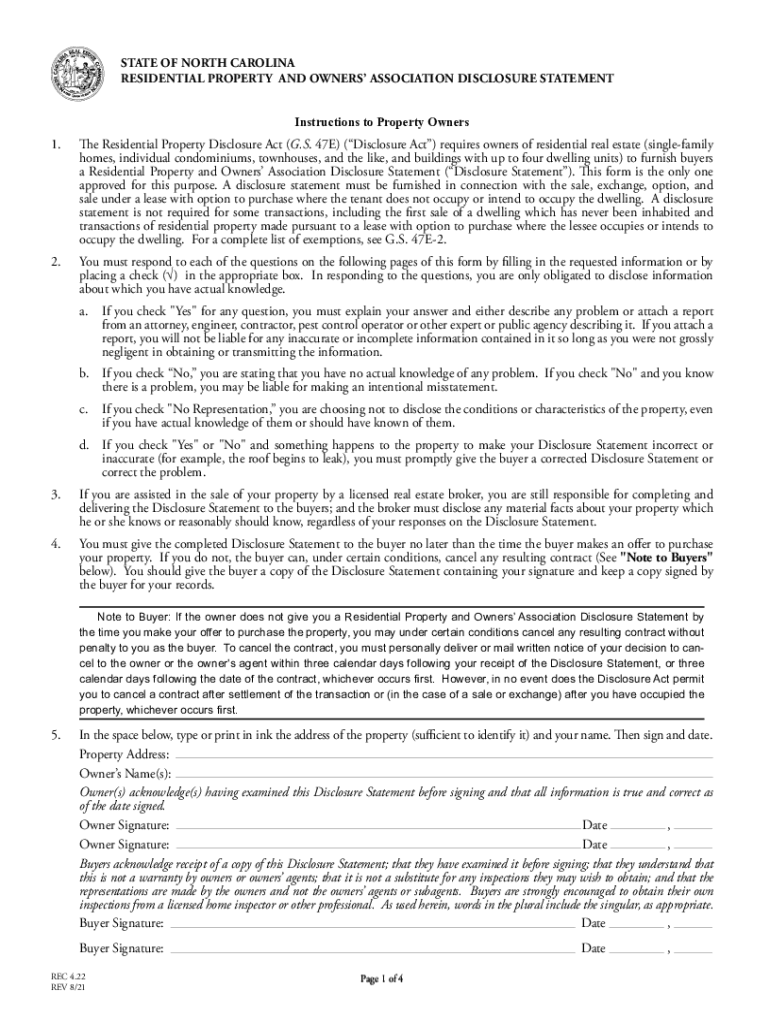
NC REC 4.22 2021 free printable template
pdfFiller is not affiliated with any government organization

Fill out
Complete the form online in a simple drag-and-drop editor.

eSign
Add your legally binding signature or send the form for signing.

Share
Share the form via a link, letting anyone fill it out from any device.

Export
Download, print, email, or move the form to your cloud storage.
Why pdfFiller is the best tool for your documents and forms


End-to-end document management
From editing and signing to collaboration and tracking, pdfFiller has everything you need to get your documents done quickly and efficiently.
Accessible from anywhere
pdfFiller is fully cloud-based. This means you can edit, sign, and share documents from anywhere using your computer, smartphone, or tablet.
Secure and compliant
pdfFiller lets you securely manage documents following global laws like ESIGN, CCPA, and GDPR. It's also HIPAA and SOC 2 compliant.
What is NC REC 4.22
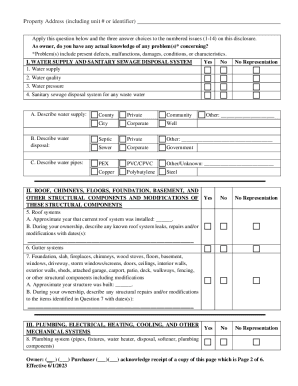
The North Carolina Residential Property Disclosure Statement is a legal document used by property owners to disclose vital information about the condition of residential real estate in North Carolina.
pdfFiller scores top ratings on review platforms




GREAT, SIMPLE, EASY! THANKS FOR THE EXPLAINER VIDEOS TOO!
Kara Rocks
Kara was so helpful and understanding. She was prompt in her replies, knowledgeable, polite and very professional. A credit to the company.
Thank you so much. :-)
Who needs NC REC 4.22?
Explore how professionals across industries use pdfFiller.

NC REC 4.22 is needed by:
-
Homeowners selling property in North Carolina
-
Real estate agents facilitating property transactions
-
Buyers looking to purchase residential real estate
-
Investors evaluating residential properties
-
Landlords disclosing property conditions to tenants
Comprehensive Guide to NC REC 4.22
What is the North Carolina Residential Property Disclosure Statement?
The North Carolina Residential Property Disclosure Statement is a legal document mandated by the Residential Property Disclosure Act (G.S. 47E) that plays a critical role in real estate transactions within the state. This document requires property owners to provide essential information regarding the condition of the property. Such disclosures can directly influence a buyer's decision-making process.
The disclosure statement outlines specific requirements that sellers must adhere to, ensuring transparency during real estate transactions. By utilizing the North Carolina property disclosure form, sellers can protect themselves from potential legal issues arising from unreported property defects.
Purpose and Benefits of the North Carolina Residential Property Disclosure Statement
Understanding the purpose of the North Carolina Residential Property Disclosure Statement is crucial for both sellers and buyers. Full disclosure fosters confidence, allowing buyers to make informed decisions based on the property's condition. This clarity is vital in preventing misunderstandings and disputes after the transaction.
For buyers, this document highlights potential hazards and conditions of the property, mitigating future risks. Knowing what to expect from a property can aid buyers in evaluating whether it meets their needs and expectations, making it an essential aspect of the real estate disclosure requirements.
Key Features of the North Carolina Residential Property Disclosure Statement
The form comprises various sections that detail significant structural components and systems of the property. Key areas that require attention include:
-
Conditions of structural elements, such as roofing and foundations
-
Operational status of heating and cooling systems
-
Pest infestation history, if any
-
Water and sewer system specifics
Checkbox fields and blank entries are integral to the form, providing clarity in disclosures. This structure helps ensure that owners accurately convey the property's condition, which is vital for both parties involved in the transaction.
Who Needs the North Carolina Residential Property Disclosure Statement?
The responsibility for completing the North Carolina Residential Property Disclosure Statement lies primarily with property owners or sellers. Buyers also play a role as they must review and sign the document to acknowledge receipt and comprehension of the disclosures provided.
Certain conditions mandate the use of this document. If the property is residential and located in North Carolina, the disclosure statement is legally required for sales, ensuring compliance with real estate transaction forms within the state.
How to Fill Out the North Carolina Residential Property Disclosure Statement Online (Step-by-Step)
Filling out the North Carolina Residential Property Disclosure Statement electronically is straightforward. Follow these steps:
-
Access the pdfFiller platform.
-
Locate the North Carolina residential property disclosure statement template.
-
Fill in the requested information, section by section.
-
Ensure all checkbox fields are appropriately filled out.
-
Review the form for accuracy and completeness.
-
Finalize by adding digital signatures from both the owner and buyer.
This method streamlines the process and ensures that all necessary information is accurately captured, making it easier for both parties.
Signing the North Carolina Residential Property Disclosure Statement
Signing the disclosure statement is a crucial step in the process. Both digital and wet signatures are acceptable, but it is vital to adhere to the specific signing requirements laid out in state regulations.
The signatures of both the owner and the buyer validate the document legally. Without these signatures, the forms may be considered incomplete, jeopardizing the transaction.
Where and How to Submit the North Carolina Residential Property Disclosure Statement
Once completed, the North Carolina Residential Property Disclosure Statement must be submitted according to specific guidelines. Submission methods can include:
-
Electronic submission directly through the pdfFiller platform
-
Mailing the document via traditional postal services
When submitting the form, it is advisable to track the submission and obtain confirmation to avoid any issues during the transaction process.
Security and Compliance for the North Carolina Residential Property Disclosure Statement
Document security is paramount when handling sensitive information. pdfFiller implements robust security measures, including 256-bit encryption and compliance with regulations such as HIPAA and GDPR.
Ensuring compliance protects the privacy of all parties involved and emphasizes the importance of responsible handling of personal data within the disclosure statement process.
Common Errors and How to Avoid Them When Filling Out the North Carolina Residential Property Disclosure Statement
Many common errors can adversely affect the transaction timeline. Some frequent mistakes include:
-
Missing signatures from the owner or buyer
-
Incomplete sections or unchecked boxes in the form
To avoid these pitfalls, it is essential to validate the completed form prior to submission, ensuring all fields are filled accurately and signatures are present.
Your Partner in Completing the North Carolina Residential Property Disclosure Statement
pdfFiller serves as an invaluable partner in the completion of the North Carolina Residential Property Disclosure Statement. With its intuitive platform, users can efficiently fill out, edit, and eSign the necessary forms.
Furthermore, pdfFiller guarantees document security and ease of use, making the process smooth and straightforward. Users are encouraged to leverage pdfFiller to simplify their form completion experience.
How to fill out the NC REC 4.22
-
1.To access the form on pdfFiller, navigate to the site's homepage. Use the search bar to enter 'North Carolina Residential Property Disclosure Statement' and select the form from the search results.
-
2.Once the form is open, familiarize yourself with the interface. Locate the fields and checkboxes where you will enter information about your property's condition.
-
3.Before starting to fill out the form, ensure you have all necessary information on hand, including details about structural components, systems, and known hazards related to your property.
-
4.Begin filling in the form by clicking on the blank fields or checkboxes. pdfFiller allows you to type directly into text boxes or select options that apply from the checkboxes provided.
-
5.After completing all necessary fields, take a moment to review your entries for accuracy. Ensure that all mandatory information is provided and that the form is complete.
-
6.Once you're satisfied with the information entered, look for options to save or download the form. pdfFiller allows you to save your progress and return to the form at any time.
-
7.If you are ready to submit, review the submission methods offered by pdfFiller, which may include emailing the finalized form or sending it directly to the buyer. Ensure both parties sign the document where required before finalizing the submission.

Who is required to use the North Carolina Residential Property Disclosure Statement?
All property owners in North Carolina must complete the Residential Property Disclosure Statement when selling residential real estate. This legal obligation ensures that buyers are fully informed.
What information do I need to provide in the form?
You need to provide accurate details regarding the property's condition, including its structural components, systems, and any known hazards. Make sure to review the full list before completing the form.
Is notarization required for this disclosure statement?
No, the North Carolina Residential Property Disclosure Statement does not require notarization. However, both the owner and buyer must sign the document to acknowledge the disclosures.
How do I submit the completed form?
Once you have completed the form, you can submit it through pdfFiller. Options typically include emailing the form or providing a physical copy to the buyer once both parties have signed.
What should I do if I made a mistake on the form?
If you made a mistake, return to the relevant section in pdfFiller, correct the information, and ensure that all details are accurate. It's crucial that the disclosures are truthful and complete.
Are there any fees associated with using pdfFiller?
While the form itself may be free, pdfFiller may charge a fee for access to its features or for submissions. It's recommended to check their pricing information before proceeding.
What is the deadline for submitting the form?
The form should be completed and provided to the buyer prior to the buyer making an offer on the property. This ensures that all disclosures are made in a timely manner.
NC REC 4.22 Form Versions
Related Content
Related Forms



Get the latest insights from our blog


If you believe that this page should be taken down, please follow our DMCA take down process
here
.
This form may include fields for payment information. Data entered in these fields is not covered by PCI DSS compliance.