
Last updated on
Nov 7, 2026

IN State Form 53958 2021-2026 free printable template
pdfFiller is not affiliated with any government organization

Fill out
Complete the form online in a simple drag-and-drop editor.

eSign
Add your legally binding signature or send the form for signing.

Share
Share the form via a link, letting anyone fill it out from any device.

Export
Download, print, email, or move the form to your cloud storage.
Why pdfFiller is the best tool for your documents and forms


End-to-end document management
From editing and signing to collaboration and tracking, pdfFiller has everything you need to get your documents done quickly and efficiently.
Accessible from anywhere
pdfFiller is fully cloud-based. This means you can edit, sign, and share documents from anywhere using your computer, smartphone, or tablet.
Secure and compliant
pdfFiller lets you securely manage documents following global laws like ESIGN, CCPA, and GDPR. It's also HIPAA and SOC 2 compliant.
What is IN State Form 53958
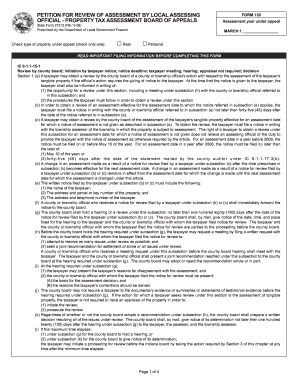
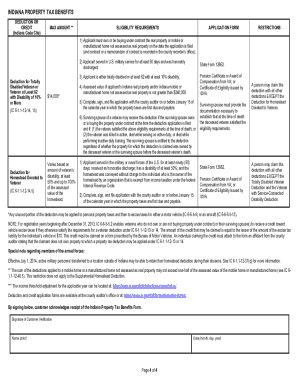
The Indiana Property Tax Appeal Form 130 is an official document used by taxpayers to contest real or personal property assessments in Indiana.
pdfFiller scores top ratings on review platforms




Who needs IN State Form 53958?
Explore how professionals across industries use pdfFiller.

IN State Form 53958 is needed by:
-
Homeowners appealing property assessments
-
Business owners contesting personal property taxes
-
Tax professionals assisting clients with tax appeals
-
Real estate investors challenging tax valuations
-
Individuals seeking property tax fairness
Comprehensive Guide to IN State Form 53958
What is the Indiana Property Tax Appeal Form 130?
The Indiana Property Tax Appeal Form 130 is essential for taxpayers aiming to challenge real or personal property assessments. This form is designed specifically for individuals who believe their property tax assessment is inaccurate or unfair. It requires detailed information about the petitioner, property specifics, and substantial reasons for the appeal.
Key information must include the petitioner's name, address, property details, and a clear explanation of why the appeal is being filed. Understanding the nuances of this form can significantly impact the appeal's outcome.
Purpose and Benefits of the Indiana Property Tax Appeal Form 130
Filing an appeal using the Indiana Property Tax Appeal Form 130 can provide several advantages for taxpayers. It allows individuals to contest their tax assessment, potentially leading to significant financial savings. By understanding tax assessments and their implications, property owners can ensure they are being taxed fairly.
Benefits of filing this appeal may include reduced tax liability and a clearer understanding of property valuation. Ultimately, utilizing Form 130 helps ensure that assessments reflect the true value of the property, fostering a fair taxation process.
Who Needs the Indiana Property Tax Appeal Form 130?
The Indiana Property Tax Appeal Form 130 is intended for a diverse audience, including both property owners and renters. Individuals in various scenarios may benefit from filing an appeal, especially if they suspect their property's assessment does not accurately represent its value.
Eligible properties include residential and commercial types, providing options for a wide range of taxpayers. Recognizing the situations that warrant an appeal is crucial for those wishing to contest their property tax assessments.
Eligibility Criteria for Filing Form 130
To file the Indiana Property Tax Appeal Form 130, certain eligibility criteria must be met. Taxpayers should ensure they meet all required conditions before submission, including understanding assessment dates and deadlines for filing appeals.
Previous assessment history may also play a pivotal role, as it helps establish a basis for the appeal. Adhering to the specified deadlines is vital in order to prevent complications in the appeals process.
How to Fill Out the Indiana Property Tax Appeal Form 130 Online
Completing the Indiana Property Tax Appeal Form 130 online involves several straightforward steps. Begin by accessing the form on the official website, ensuring you have all necessary information readily available.
A field-by-field breakdown of the form can greatly aid your completion process. Be mindful of common mistakes, such as inaccurate details and missed sections, to streamline your submission.
Submission Methods for the Indiana Property Tax Appeal Form 130
Submitting the Indiana Property Tax Appeal Form 130 can be done through various methods, catering to the needs of different taxpayers. Options include online submission, mailing the form, or delivering it in person.
It's important to be aware of submission deadlines and processing times associated with each method. Individuals should also establish a system for tracking submissions to confirm receipt by the appropriate tax assessment authority.
Consequences of Not Filing or Late Filing
Missing the filing deadline or failing to submit the Indiana Property Tax Appeal Form 130 can have serious repercussions. Individuals may face automatic denial of their appeal, resulting in paying higher taxes than warranted.
Understanding how late filings are treated by the County Property Tax Assessment Board of Appeals (PTABOA) and the Indiana Board of Tax Review (IBTR) is essential. To avoid potential pitfalls, taxpayers should implement strategies to stay on top of their filing responsibilities.
What Happens After You Submit the Indiana Property Tax Appeal Form 130?
Following the submission of the Indiana Property Tax Appeal Form 130, there are several steps in the review process that taxpayers should anticipate. The property tax assessment boards will evaluate the claims made and may issue a ruling based on the gathered evidence.
Potential outcomes can include adjustments to the property assessment or the scheduling of a hearing, where additional information may be presented. Knowing what to expect during this process can ease concerns and prepare taxpayers for necessary follow-up actions.
How to Correct or Amend Your Indiana Property Tax Appeal Form 130
Should errors arise or changes be necessary after submitting the Indiana Property Tax Appeal Form 130, there are steps that can be taken for corrections. Taxpayers should promptly follow the established procedures to amend their submissions efficiently.
Keeping track of the versions submitted can help ensure that the most accurate information is considered during the appeal process. Important deadlines for amendments must also be adhered to, as failure to do so could hinder the appeal outcome.
Filling Out Your Indiana Property Tax Appeal Form 130 with pdfFiller
Using pdfFiller to complete the Indiana Property Tax Appeal Form 130 streamlines the process with its diverse capabilities, including editing, eSigning, and sharing documents. This cloud-based platform offers taxpayers the flexibility to manage their forms without the need for downloads.
Employing a secure service like pdfFiller ensures that sensitive information is protected, adhering to necessary compliance regulations. By utilizing these tools, users can facilitate a more straightforward experience in handling their property tax appeal forms.
How to fill out the IN State Form 53958
-
1.Access the Indiana Property Tax Appeal Form 130 by navigating to pdfFiller and searching for the form by name.
-
2.Open the form in the pdfFiller editor to begin filling it out. Familiarize yourself with the user interface.
-
3.Prepare necessary information beforehand, such as detailed property descriptions, prior assessment notices, and reasons for appeal.
-
4.Locate fillable fields and enter the required information, ensuring accuracy in property descriptions and taxpayer details.
-
5.Use checkboxes where applicable to indicate preferences or status related to the appeal process.
-
6.Review entered information for completeness and accuracy, paying close attention to the reasons for your appeal.
-
7.Finalize the form by signing electronically in the designated area, as signing is required for submission.
-
8.Once satisfied with the form, save your work to your pdfFiller account, and download a copy for your records.
-
9.Submit the form by following the provided methods, which may include mailing it to the appropriate tax assessment board or submitting it online, as noted in the instructions within the form.

Who is eligible to use the Indiana Property Tax Appeal Form 130?
Any taxpayer in Indiana who disagrees with the assessed value of their real or personal property can use the Indiana Property Tax Appeal Form 130 to contest the assessment.
What is the deadline for submitting Form 130?
The form must typically be submitted within a specific timeframe after receiving your assessment notice. For precise deadlines, consult your local County Property Tax Assessment Board of Appeals.
How do I submit the completed Form 130?
You can submit Form 130 by mailing it to the County Property Tax Assessment Board of Appeals, or where applicable, submitting it electronically through designated online portals.
What supporting documents are required when filing Form 130?
You should include evidence that supports your appeal, such as previous assessment documentation, comparable property valuations, and any other relevant paperwork that backs your claim.
What are common mistakes to avoid when filling out Form 130?
Ensure that all required fields are completed accurately, avoid leaving checkboxes unchecked if applicable, and double-check the reasons for your appeal to prevent any misunderstandings.
How long does it take to process the appeal after submitting Form 130?
Processing times can vary, but typically you can expect to receive a response within several weeks after your appeal is reviewed by the relevant board or authority.
Can I make edits to Form 130 after filling it out?
Yes, you can make edits to Form 130 in pdfFiller until you save and finalize the form for submission.
IN State Form 53958 Form Versions
Related Content
Related Forms




Get the latest insights from our blog


If you believe that this page should be taken down, please follow our DMCA take down process
here
.
This form may include fields for payment information. Data entered in these fields is not covered by PCI DSS compliance.