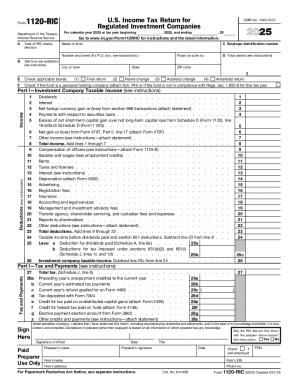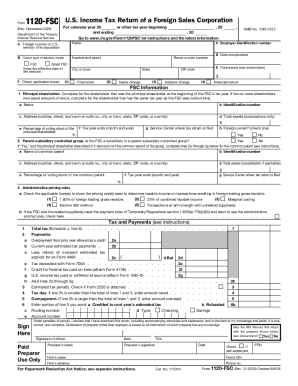
Form preview

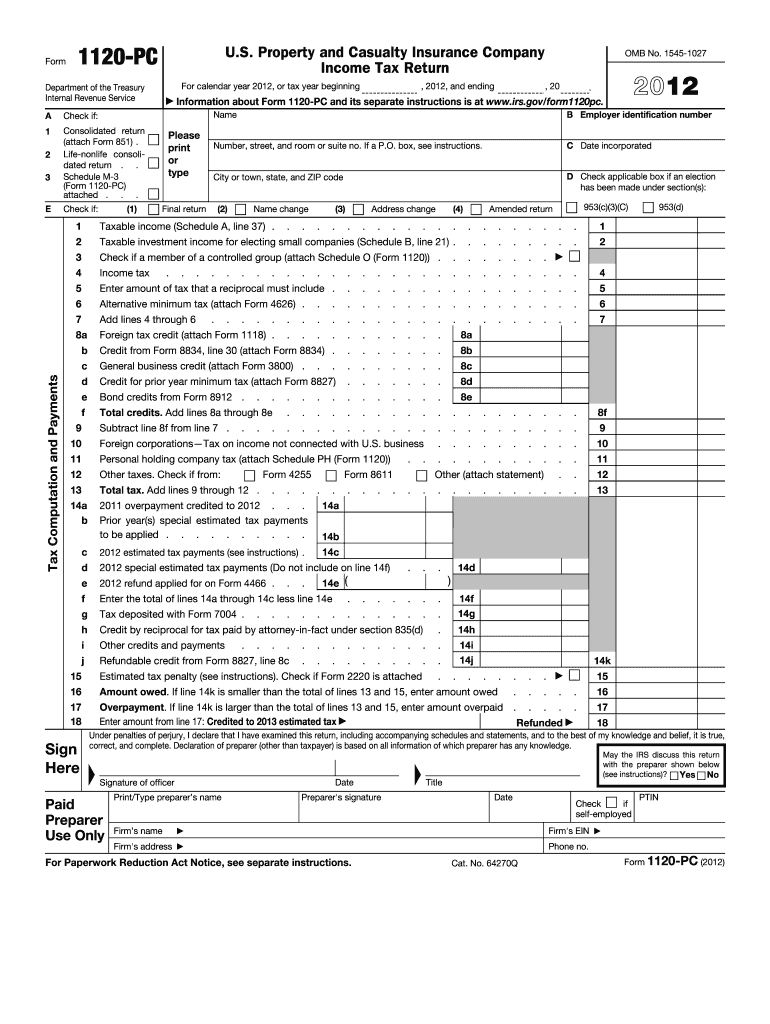
IRS 1120-PC 2012 free printable template
Get Form
We are not affiliated with any brand or entity on this form
Screenshot
Screenshot
Screenshot

Get, Create, Make, and Sign IRS 1120-PC
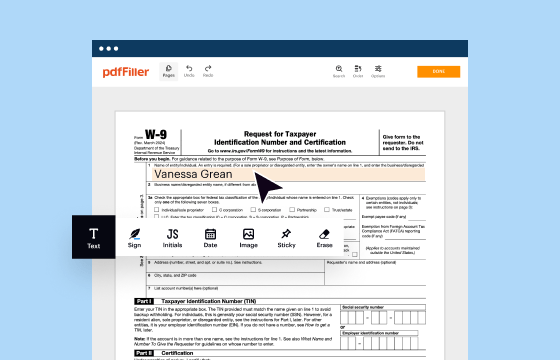
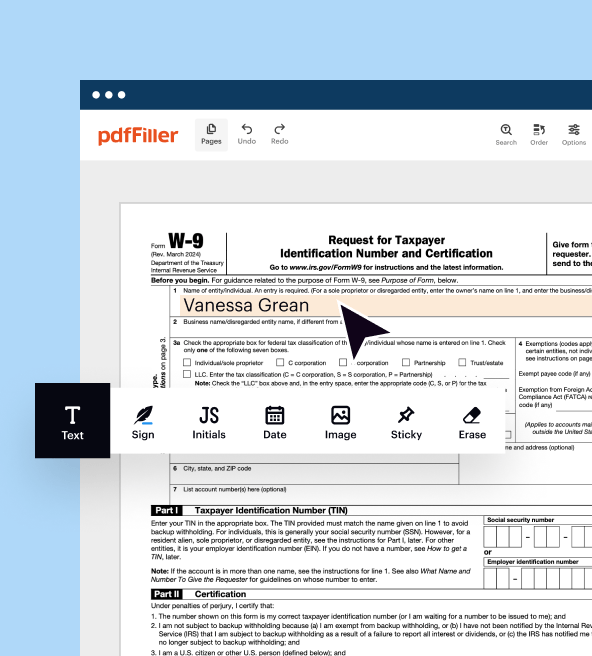
Edit your IRS 1120-PC online
Type text, complete fillable fields, insert images, highlight or blackout data for discretion, add comments, and more.
Screenshot
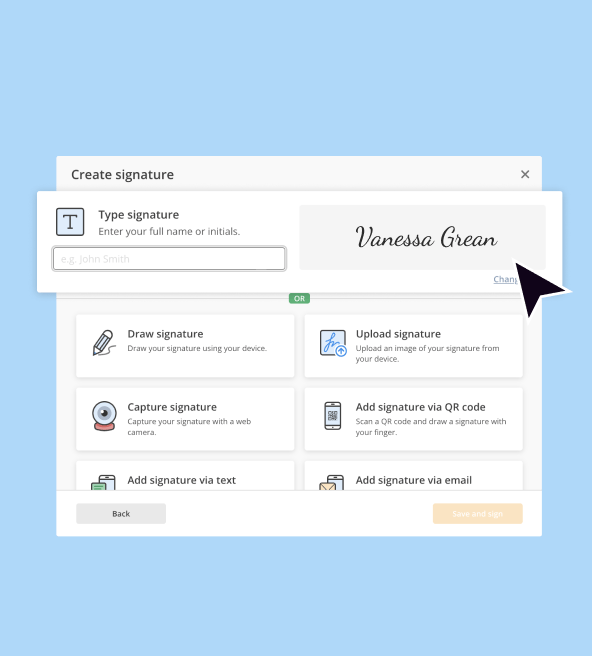
Add your legally-binding signature
Draw or type your signature, upload a signature image, or capture it with your digital camera.
Screenshot
Share your form instantly
Email, fax, or share your IRS 1120-PC via URL. You can also download, print, or export forms to your preferred cloud storage service.
Screenshot

Instructions and Help about IRS 1120-PC

How to edit IRS 1120-PC

To edit IRS 1120-PC, you must first obtain a blank copy of the form, either from the IRS website or by using reliable platforms like pdfFiller that allow for online form editing. Once you have the form, you can make necessary changes in the editable fields. Ensure that you save any updates you make for future reference or submission.

How to fill out IRS 1120-PC

Filling out IRS 1120-PC involves several steps to ensure accurate completion. Follow these steps to correctly fill out the form:
01
Download the IRS 1120-PC from the IRS website or use pdfFiller for a guided fill-in experience.
02
Gather all necessary financial documents that provide information about the taxable income and expenses of the insurance company.
03
Begin completing the form with basic information such as the company name, address, and EIN (Employer Identification Number).
04
Populate the sections related to income, deductions, and tax computation according to the latest IRS guidelines.
05
Review your entries for accuracy before submitting the form.

About IRS 1120-PC 2012 previous version

What is IRS 1120-PC?

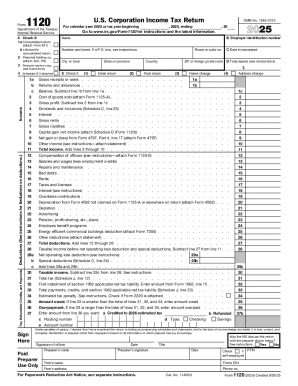
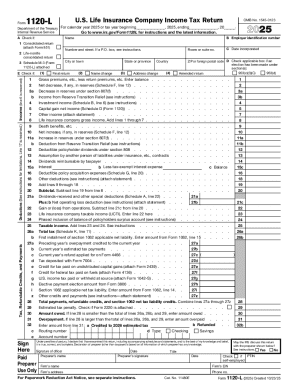
IRS 1120-PC is a tax form specifically designed for property and casualty insurance companies to report their income, deductions, and tax liabilities. This form is a crucial component of annual tax filings, ensuring that these companies comply with federal tax laws.

Who needs the form?

IRS 1120-PC must be filed by property and casualty insurance companies that operate in the United States and are subject to federal income tax. This includes corporations that sell policies to cover risks associated with property and casualty loss.

Components of the form

The IRS 1120-PC consists of various sections that require detailed reporting of income, deductions, tax liability, and other relevant financial activities. Key components include sections for gross premiums, losses incurred, and other deductions according to the insurance accounting rules.

What are the penalties for not issuing the form?

Failure to file IRS 1120-PC by the due date can result in significant penalties. The IRS imposes a penalty for late filings, which varies based on how long the form is overdue. Additionally, interest may accrue on any unpaid tax amounts.

Is the form accompanied by other forms?

IRS 1120-PC can be accompanied by various schedules and additional forms that provide supporting details for deductions and other financial information. Common attachments may include state tax forms and schedules detailing income and losses.

What is the purpose of this form?

The purpose of the IRS 1120-PC form is to calculate and report the federal income taxes owed by property and casualty insurance companies. It allows these entities to detail their financials related to premiums, claims, and other relevant transactions throughout the tax year.

When am I exempt from filling out this form?

An insurance company may be exempt from filing IRS 1120-PC if it qualifies as a smaller organization meeting specific criteria set by the IRS or if it operates as a mutual insurance company under state law and files alternate forms. Always check the most current IRS guidelines to confirm eligibility for exemption.

Due date

Typically, the IRS 1120-PC is due on the 15th day of the third month after the end of the corporation's tax year. For corporations operating on a calendar year, this means the due date is March 15 of the following year. Extensions may be available under certain conditions.

What information do you need when you file the form?

When filing IRS 1120-PC, you will need various pieces of information, including financial records of premiums earned, claims paid, and administrative expenses. Accurate data ensures compliance and accurate tax calculation.

Where do I send the form?

The completed IRS 1120-PC form should be sent to the address specified in the form instructions. This usually varies based on the company's location and whether payment is included. Always double-check the most recent IRS guidelines for your specific situation.

FAQ about IRS 1120-PC

If you identify mistakes on your agent qualification and verification form after submission, you should file an amended form. It's important to note that corrections must clearly indicate the changes made. Make sure to include all relevant information and submit the amendment as soon as possible to avoid complications.

To confirm receipt of your agent qualification and verification submission, you can check the status through the online system if you filed electronically. Additionally, keep an eye on any confirmation emails or letters that may be sent out after processing, as they serve as proof of submission.

Receiving an audit notice for your agent qualification and verification requires prompt attention. Gather all related documentation to support your filing, and consider consulting a tax professional to ensure a well-informed response. Address the notice by adhering to the provided instructions to resolve any inquiries.

When filing an agent qualification and verification for another individual, ensure that you have proper authorization, such as a power of attorney. It's crucial to also respect privacy regulations and safeguard the sensitive information of the person on whose behalf you are filing.

To minimize errors when electronically filing your agent qualification and verification, carefully review all entered information for accuracy. Common pitfalls include incorrectly typed names or numbers, but also ensure that any required fields are completed and that you are adhering to the specific filing format guidelines.


See what our users say
Trust Seal
Trust Seal
Trust Seal
Trust Seal
Trust Seal
Trust Seal
Trust Seal
Trust Seal
Rate free form
4.0
satisfied
29 votes

How to Fill Out Small Business Tax Forms Online with pdfFiller

Struggling with your Schedule C or not sure how to file business taxes as a sole proprietor, LLC, or self-employed professional? This step-by-step pdfFiller tutorial walks you through completing IRS Schedule C quickly and accurately — no printing, no scanning, no stress. Whether you're handling small business tax deductions, tracking self-employed taxes, or preparing your full business tax return, pdfFiller makes it simple right in your browser.

If you believe that this page should be taken down, please follow our DMCA take down process here .
This form may include fields for payment information. Data entered in these fields is not covered by PCI DSS compliance.