Adjust Calculation and Image in PDF
Adjust calculations and images in your PDF documents easily with pdfFiller's intuitive tools.
What is Adjust Calculation and Image in PDF?
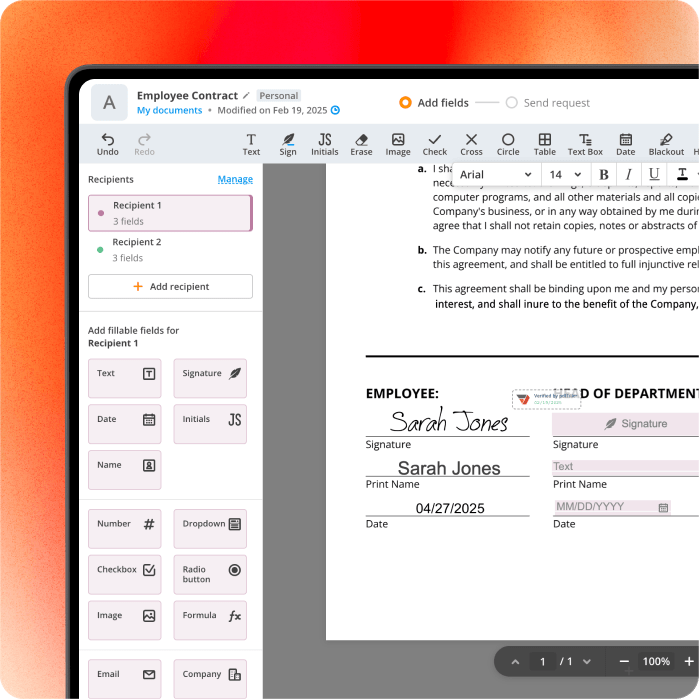
The feature to Adjust Calculation and Image in PDF allows you to convert static PDFs into interactive forms. This capability is essential for making your documents more dynamic and user-friendly. You can utilize built-in calculation features to automate data entry and ensure accuracy. Moreover, this feature is compatible with various document types, making it versatile for different needs. You can access it from any device, which enhances convenience and accessibility for small and medium-sized businesses and professionals.
Why Use Interactive Fields in PDFs?
Using interactive fields in PDFs can significantly speed up document completion. This approach reduces the need for printing and scanning, which can be time-consuming and inefficient. By enhancing the user experience with forms, you encourage quicker responses and better engagement. Additionally, incorporating legally binding e-signatures within these interactive fields ensures that your documents are secure and compliant with legal standards.
How to Access Adjust Calculation and Image Features
- Locate the Add Fields button on the pdfFiller interface.
- Differentiate between the Edit Mode and the mode for adding fields.
- Access the feature via any web browser without needing special software.
- No IT setup is required, making it easy for anyone to start using the feature.
Uploading Documents to pdfFiller
To upload documents for editing, you can use various supported file formats, including PDF and Word documents. If you have non-PDF formats, follow the steps provided in the pdfFiller interface to upload them easily. The drag-and-drop functionality allows for quick uploads, and you can preview your documents before editing to ensure everything is in order.
Field Types Available for Adjustments
When adjusting fields, you can choose from several field types. Standard and identity fields allow for basic data entry, while selection options like checkboxes and radio buttons enable users to make choices. Signature and initials fields are essential for capturing consent, and calculated fields allow for dynamic data entry, making your forms more interactive and functional.
Step-by-Step Instructions for Adjusting Fields
- Resize fields by clicking and dragging the corners to fit your layout.
- Reposition fields by clicking and dragging them to the desired location on the document.
- Set field properties, such as marking fields as required for completion.
- Explore styling options to match your branding or document aesthetics.
- Save your changes effectively to ensure all adjustments are applied.
Understanding Checkboxes and Radio Buttons
Checkboxes allow for independent selections, meaning users can choose multiple options if needed. In contrast, radio buttons are designed for exclusive choices, where only one option can be selected at a time. Understanding the configuration differences between both types is crucial for creating effective forms. Use cases for checkboxes include surveys, while radio buttons are ideal for single-choice questions.
Using Formula Fields for Calculations
To use formula fields effectively, start by creating a formula field within your document. You can reference other fields in your calculations, which allows for dynamic updates based on user input. However, be aware of the limitations of formula fields, such as potential compatibility issues with certain document types. Common calculations include totals and averages, which can be easily automated using this feature.
Assigning Fields to Multiple Signers
When assigning fields to different recipients, tag fields specifically for each signer to ensure clarity. Managing the signing order effectively is crucial for document flow. Utilize the Recipients panel to organize and track who needs to sign. Best practices for multi-signer documents include clear instructions and ensuring all parties know their responsibilities.
Adding Fields to Scanned PDFs
To overlay fields on scanned documents, follow specific steps to add fields without requiring OCR. Be mindful of the limitations of scanned PDFs, as they may not support all interactive features. Preview changes before saving to confirm that everything appears as intended. Best practices for scanned documents include ensuring clarity and readability of the scanned content.
Comparing pdfFiller with Other PDF Tools
How does pdfFiller compare with other PDF tools? When compared to Adobe Acrobat, pdfFiller offers a more user-friendly interface for document adjustments. While Adobe Acrobat may have more advanced features, it comes at a higher cost. In contrast, pdfFiller provides comprehensive PDF editing capabilities beyond form creation, unlike JotForm, which excels in form-building but lacks extensive PDF editing tools. Additionally, pdfFiller combines document editing and e-signatures in one platform, whereas DocuSign primarily focuses on e-signature solutions.
Next Steps for Your Document Workflows
To enhance your document workflows, consider saving documents as templates for future reuse. This approach allows you to collect completions efficiently and integrate with other pdfFiller features. Streamlining your document processes will save time and improve productivity across your organization.