Create Formula and Box in PDF
Create interactive fields in your PDF documents using pdfFiller's Add Fields feature.
What is Add Fields Mode?
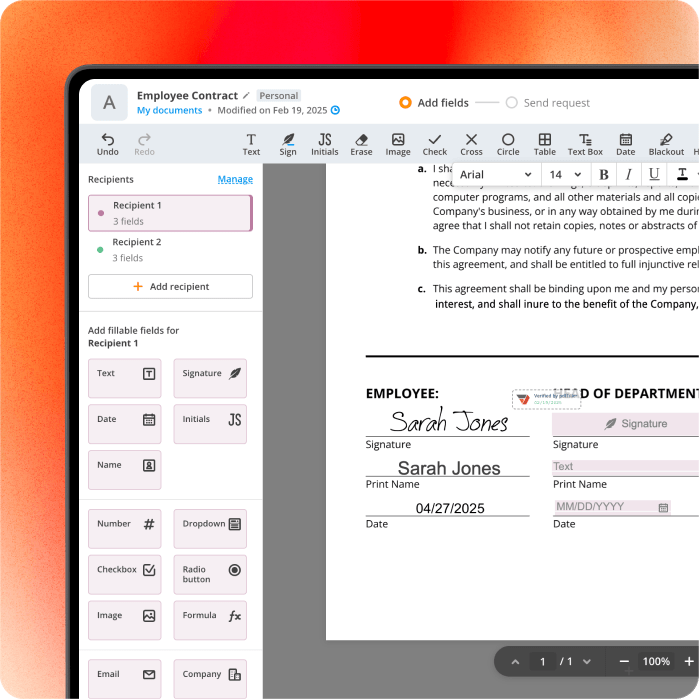
Add Fields mode allows you to convert static PDFs into interactive forms, enhancing the usability of your documents. This feature is accessible via the Add Fields toggle, which differentiates it from Edit Mode. With Add Fields, you can support various field types, making it easier to create formula and box in PDF documents without the need for complex software. This functionality is designed to simplify PDF editing, ensuring that you can create interactive fields quickly and efficiently.
Why Use Interactive Fields?
Using interactive fields in your PDFs eliminates the need for printing and scanning, making document workflows much more efficient. This approach enhances user experience with digital forms, allowing for quicker data entry and processing. Small businesses can particularly benefit from this feature, as it saves time and resources in document processing. By opting for interactive fields, you can streamline your operations and improve overall productivity, making it easier to create formula and box in PDF documents.
How to Access Add Fields Mode
- Log in to your pdfFiller account to access the main dashboard.
- Locate the Add Fields button prominently displayed on the interface.
- Click the Add Fields button to switch from Edit Mode to Add Fields Mode.
- Familiarize yourself with the user-friendly interface that allows for easy navigation.
- No technical setup is required; you can start adding fields immediately.
Uploading Documents to pdfFiller
To upload documents for field placement, ensure that you use supported file formats such as PDF, DOCX, and others. If you have non-PDF formats, pdfFiller can handle them efficiently, allowing for easy drag-and-drop functionality. Additionally, the platform is compatible with scanned documents, enabling you to work with a variety of document types without complex upload processes.
Field Types Available in pdfFiller
pdfFiller offers a range of field types that you can add to your documents. Standard fields include text boxes, checkboxes, and dropdowns, while structured fields allow for more complex data entry. Selection fields enable users to choose from predefined options, and signature fields facilitate electronic signing. Understanding the importance of choosing the right field type can significantly enhance the functionality of your documents, making it easier to create formula and box in PDF.
Step-by-Step Instructions for Adding Fields
- Select the document you want to edit and switch to Add Fields Mode.
- Drag and drop the desired field type from the toolbar onto your document.
- Position the field where you want it to appear in the document.
- Resize the field as necessary to fit your layout.
- Mark fields as required by selecting the appropriate option in the properties menu.
- Review your placement to avoid common mistakes, such as overlapping fields.
- Save your document to preserve the changes made.
Configuring Field Properties
Customizing field settings is essential for effective document management. You can configure various options, including labels and placeholders that guide users on what information to enter. Setting default values can streamline data entry, while validation rules ensure that the information provided meets specific criteria. These configuration options enhance the usability of your fields and improve the overall experience for anyone filling out the document.
Checkboxes vs. Radio Button Groups
Checkboxes allow users to select multiple options, while radio buttons are used for single selections. Each type serves different use cases; for example, checkboxes are ideal for lists where multiple answers are possible, whereas radio buttons are suitable for questions requiring a single answer. Configuration differences include how each field is set up and displayed, which can impact user interaction. Visual examples of each field type can help clarify their distinct functionalities.
Using Formula Fields in Your Documents
Formula fields enable you to perform calculations directly within your documents. To create formula fields, you can input specific calculations that will automatically update based on user input. Examples of calculations include summing totals or calculating percentages. However, it's important to note the scope limitations of formula fields, as they may not support all types of calculations. The benefits of using formulas in documents include increased accuracy and efficiency in data management, allowing you to create formula and box in PDF seamlessly.
Assigning Fields to Multiple Signers
Managing fields for multiple recipients involves tagging fields for specific signers. You can set the signing order to ensure that documents are completed in the correct sequence. Understanding the importance of recipient roles is crucial for effective multi-signer workflows, as it helps streamline the signing process. Tips for managing these workflows include clear communication with all parties involved and ensuring that each signer knows their responsibilities.
Adding Fields to Scanned PDFs
When working with scanned PDFs, you can overlay fields directly onto the document without needing OCR. This method allows you to add fields quickly, although there are limitations to consider, such as the inability to edit the underlying text. Best practices for handling scanned documents include ensuring clarity in field placement and maintaining the integrity of the original document.
Fillable Fields vs. Annotation Tools
Fillable fields differ significantly from annotation tools, as they allow for structured data entry while annotations are generally used for comments or notes. Fillable fields provide a more interactive experience, enabling users to input information directly, whereas annotation tools may not support data collection. The advantages of fillable fields include better data management and organization, while annotation tools can be limited in their functionality.
Industry-Specific Scenarios for Field Use
In small business invoicing, interactive fields can simplify the billing process, allowing clients to fill out necessary information directly. In legal document preparation, fields can ensure that all required data is collected accurately. HR onboarding forms benefit from interactive fields by streamlining the collection of employee information. These applications demonstrate the versatility of pdfFiller in various professional tasks, particularly in remote work environments where efficiency is paramount.
Browser Compatibility and Device Support
pdfFiller supports a wide range of browsers, ensuring that you can access your documents from any device. Mobile device compatibility allows for on-the-go document management, while differences in field behavior between mobile and desktop versions can affect user experience. Testing across devices is crucial to ensure that all functionalities work as intended, providing a consistent experience for all users.
Known Limitations and Constraints
Users should be aware of certain limitations when using pdfFiller. There is a maximum number of fields allowed per document, which can vary based on your subscription tier. Additionally, formula field syntax has specific constraints that must be followed. Limitations with scanned PDFs may also affect how fields are placed and utilized, so understanding these constraints is essential for effective document management.
Security and Data Handling Practices
pdfFiller employs TLS encryption in transit to protect user data. Document retention policies dictate how long documents are stored, with automatic deletion timelines in place to ensure data privacy. Compliance with relevant regulations is a priority, ensuring that user information is handled securely and responsibly throughout the document management process.
Comparison with Other Document Solutions
When comparing pdfFiller with Adobe Acrobat, pdfFiller offers a more user-friendly interface with no complex setup required. Unlike JotForm, pdfFiller provides a comprehensive range of document management features in one platform. Additionally, pdfFiller has advantages over DocuSign, particularly in its extensive library of templates and ease of use. These unique features make pdfFiller a compelling choice for small and medium businesses.
Free vs. Paid Access for Fillable Fields
The free plan of pdfFiller includes basic features for creating fillable fields, but it comes with certain limitations. Upgrading to a paid plan unlocks additional functionalities and removes restrictions, providing a more comprehensive experience. Understanding the differences between subscription tiers can help you choose the best option for your document management needs.
Next Steps for Your Document Workflows
To integrate Add Fields into your workflows, start by saving frequently used documents as templates. Collecting completions from these templates can streamline your processes significantly. Explore additional features within pdfFiller to enhance your document management capabilities further. By leveraging these tools, you can optimize your workflows and improve overall efficiency.