Create Formula and Initial Field in PDF
Create formula and initial fields in your PDFs quickly and easily.
What is Add Fields Mode?
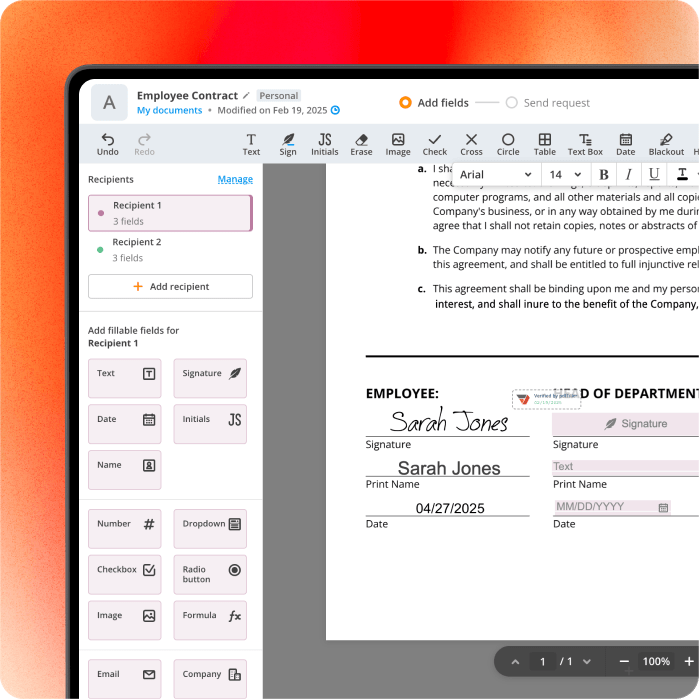
Add Fields mode is a feature that allows you to convert static PDFs into interactive forms. By using the Add Fields toggle, you can easily access this mode, which is distinct from Edit Mode. This functionality supports various field types, enabling you to create formula and initial fields in PDF documents without needing complex software. The benefits of Add Fields mode include simplifying the process of creating fillable forms and enhancing user engagement with your documents. You can transform your PDFs into interactive fields that are easy to fill out, making it a valuable tool for document editing.
Why Use Interactive Fields?
Interactive fields offer several advantages over traditional methods of document handling. By incorporating interactive fields into your PDFs, you eliminate the need for printing, which saves time and resources. Additionally, these fields significantly reduce manual data entry errors, enhancing the overall user experience. This approach is particularly beneficial for professionals who require efficient document workflows and fillable forms, allowing for quicker data collection and processing.
How to Access Add Fields Mode
- Log in to your pdfFiller account to access the dashboard.
- Locate the document you want to edit and click on it to open.
- Find the Add Fields button, usually located in the toolbar.
- Click on the Add Fields button to switch from Edit Mode to Add Fields mode.
- Familiarize yourself with the user interface, noting the available field types.
- Review the differences between Add Fields mode and Edit Mode to understand their functionalities.
Uploading Documents to pdfFiller
To create fields in your PDFs, you first need to upload documents to pdfFiller. Supported file formats include PDF, DOCX, and JPG, among others. You can also upload non-PDF files, which will be converted into PDF format upon upload. When preparing your documents, ensure they are clear and legible to facilitate the field creation process. This preparation will help you avoid issues later on, such as misalignment of fields or unclear text.
Field Types Available
pdfFiller offers a variety of field types that you can add to your documents. Standard fields include text fields, where users can input information, and signature fields, which allow for electronic signatures. Structured fields, such as checkboxes and dropdowns, provide users with predefined options. Each field type serves specific use cases; for example, signature fields are essential for contracts, while text fields are ideal for forms requiring user input. Understanding these field types will help you effectively utilize them in your documents.
Step-by-Step Field Creation
- Open the document in Add Fields mode.
- Select the type of field you want to add from the toolbar.
- Click on the area of the document where you want to place the field.
- Adjust the size and position of the field as needed.
- Repeat the process for additional fields, ensuring they are well-placed.
- Review your fields for accuracy and alignment.
- Save your document to preserve the changes made.
- Test the fields to ensure they function correctly before sharing the document.
Configuring Field Properties
Once you have added fields to your PDF, you can configure their properties to suit your needs. This includes setting field labels and placeholder text to guide users on what information to enter. You can also toggle the required field option, ensuring that users must complete certain fields before submitting the form. Additionally, validation options can be set to ensure that the data entered meets specific criteria, enhancing the accuracy of the information collected.
Checkboxes vs. Radio Buttons
Checkboxes and radio buttons are both essential form fields, but they serve different purposes. Checkboxes allow users to select multiple options, making them suitable for scenarios where multiple answers are acceptable. In contrast, radio buttons are used when only one selection is permitted, ensuring clarity in user choices. Understanding the configuration differences between these two field types will help you effectively design your forms.
Using Formula Fields
Formula fields are a powerful feature that allows you to perform calculations within your PDFs. To set up a formula field, select the formula option from the field types and define the calculation you want to perform. For example, you can create a formula that totals values from other fields. However, it’s important to note the limitations of formula fields, such as the complexity of calculations that can be performed. Keeping formulas simple will ensure they function correctly.
Assigning Fields to Recipients
When working with multi-signer documents, assigning fields to multiple recipients is crucial. Start by tagging the fields that each recipient needs to complete. You can manage the order in which recipients receive the document, ensuring a smooth workflow. For documents requiring multiple signatures, consider tips for organizing the signing process effectively, such as clear instructions for each recipient.
Adding Fields to Scanned PDFs
To add fields to scanned documents, you must first ensure that the scanned PDFs are clear and legible. The process for adding fields is similar to that for standard PDFs, but you may encounter limitations due to the quality of the scan. Effective field placement is essential to ensure that users can easily interact with the fields. Consider using OCR technology to enhance the text recognition of scanned documents, making it easier to add fields accurately.
Fillable Fields vs. Annotation Tools
Fillable fields and annotation tools serve different functions in document editing. Fillable fields allow users to input data directly into the document, while annotation tools are used for marking up documents without altering the original content. Understanding the key differences in functionality will help you choose the right tool for your specific needs, ensuring that your documents are user-friendly and effective.
Industry-Specific Scenarios
Field usage scenarios vary significantly across different industries. In healthcare, for example, interactive fields are used for patient intake forms, allowing for efficient data collection. Real estate professionals often use specific field types for lease agreements, ensuring that all necessary information is captured accurately. Each industry benefits from tailored field types that enhance document workflows and improve data accuracy.
Browser Compatibility and Device Support
pdfFiller is compatible with a range of browsers, including Chrome, Firefox, and Safari. Mobile device compatibility is also supported, allowing you to work on documents from smartphones and tablets. However, users may notice differences in field behavior depending on the device used. It’s important to test documents across different platforms to ensure a consistent user experience.
Limitations of Add Fields Mode
While Add Fields mode offers many benefits, there are limitations to consider. For instance, there is a maximum number of fields allowed per document, which can vary based on your plan tier. Additionally, known issues may arise when working with scanned PDFs, such as difficulties in field alignment. Being aware of these constraints will help you plan your document creation effectively.
Security and Data Handling
Security is a top priority when using pdfFiller. The platform employs TLS encryption to protect user data during transmission. Document retention policies are in place to ensure that data is handled responsibly. Furthermore, pdfFiller complies with relevant regulations, providing users with peace of mind regarding their data handling practices.
How Does pdfFiller Compare?
pdfFiller stands out against Adobe Acrobat, which offers extensive features but can be complex and costly for small businesses. Users may find Adobe overwhelming without dedicated IT support. Compared to JotForm, pdfFiller excels in document management capabilities, which are essential for seamless document workflows. While DocuSign focuses primarily on e-signatures, pdfFiller provides a more comprehensive document editing experience, reducing the need for additional tools.
Next Steps for Users
After learning about Add Fields mode, you can take several actionable steps. Start by saving templates for future use, which can streamline your document creation process. Collecting completions from recipients is also essential for effective document management. Finally, consider integrating other pdfFiller features to optimize your workflow further, enhancing your overall document handling experience.