Pest Control Form Templates

Get eSignatures done in a snap

Prepare, sign, send, and manage documents from a single cloud-based solution.

What are Pest Control Form Templates?

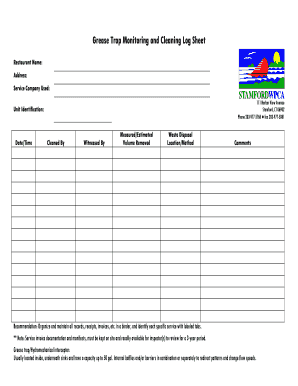
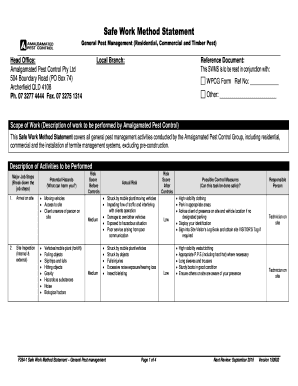
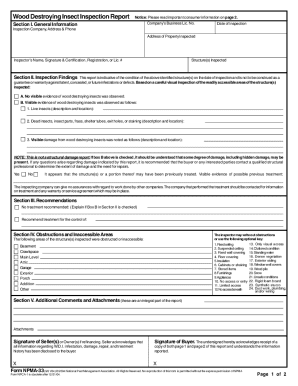
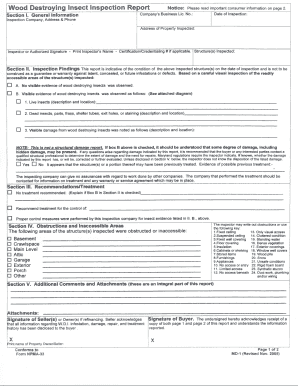
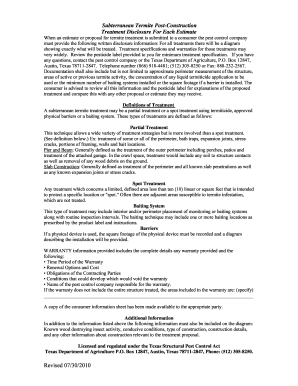
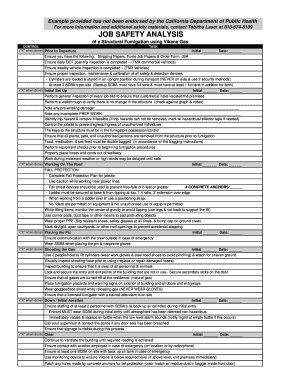
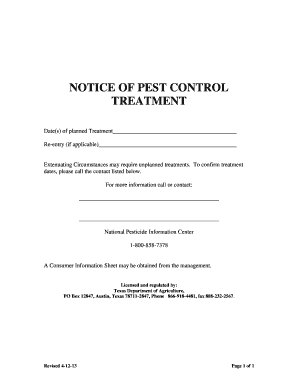
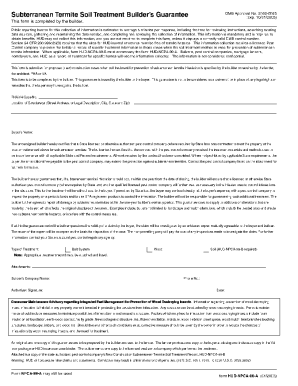
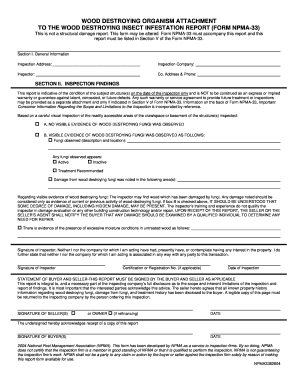
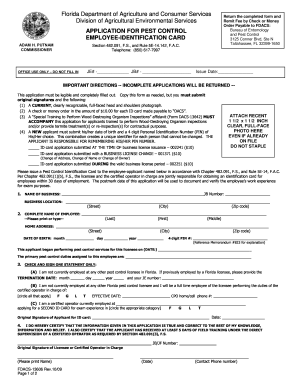
Pest Control Form Templates are pre-designed documents that help in the process of managing and organizing pest control activities. They allow users to easily record and track information related to pest inspections, treatments, and maintenance.
What are the types of Pest Control Form Templates?

There are various types of Pest Control Form Templates available to suit different needs and scenarios. Some common types include:
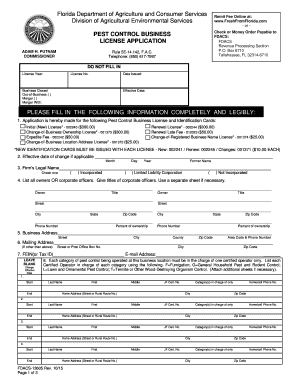
Pest Inspection Checklist
Pest Treatment Log
Pest Control Service Agreement
Pest Control Report Form

How to complete Pest Control Form Templates
Completing Pest Control Form Templates is a straightforward process that can be done efficiently with pdfFiller. Here are steps to help you fill out a Pest Control Form Template:
01
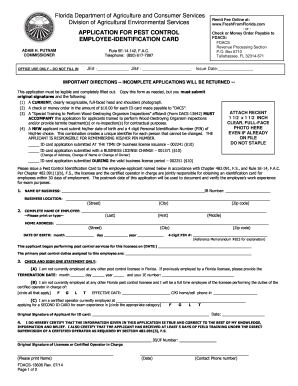
Open the Pest Control Form Template in pdfFiller
02
Click on the fields to input your information
03
Save and share the completed form electronically

With pdfFiller's user-friendly interface and extensive template library, managing your pest control tasks has never been easier. Take advantage of pdfFiller's features to create, edit, and send pest control forms without any hassle.

Video Tutorial How to Fill Out Pest Control Form Templates
Thousands of positive reviews can’t be wrong

Read more or give pdfFiller a try to experience the benefits for yourself
5.0
I was very impressed with this web-based PDF editor Overall my experience has pr...
I was very impressed with this web-based PDF editor Overall my experience has pretty very positive with PDFfiller. My colleague recommended PDFfiler as I needed a quick way to sign documents while on the road. PDFfiller has all the features I need, even with the free version of the software. I think to take this software to the next level, the developer should create browser plugins to sign documents without having to upload them to the PDFfiller website.
Geoff S.
5.0
Still learning.
Still learning... but so far so good. Convenient user interface, able to quickly make the necessary edits to my documents and I'm enjoying using the product.
Shira M
4.0
I'm liking it so far I'm liking it so far.
I'm liking it so far I'm liking it so far. I have about 20 forms to send to each client. it would be great if I could send all 20 in one file. or down load the link to each on on my website.
Shawna
5.0
This program is easy to use and has.
This program is easy to use and has… This program is easy to use and has offered great help to me when conducting business.
Chernda Pendleton

Questions & answers

What are some things you should include in a written contract when employing a pest control operator? -Description of services to be provided. -Period of service. -Your duties including preventative measures, and facility prep. How do you write a pest control letter?
The IPM plan will utilize all methods of pest control, which may include structural maintenance, sanitation, monitoring for pest populations, mechanical and biological control, and the judicious use of pesticides.
Rely on your PCO to do the following: Develop an integrated approach to pest management. Stay current on new equipment and products. Provide prompt service to address problems as they occur. Keep records of all steps taken to prevent and control pests.
Follow these simple steps! Step 1: Prevent entrances. Pests can find their way in through the smallest places and holes. Step 2: Keep it clean. Remember to clean and sanitize your facility often to remove any extra food or debris that could be appealing to pests. Step 3: Eliminate food, water, and shelter sources.
Physical or mechanical control methods are effective against some pests. Such controls include sticky barriers, heat killing (for storage pests), and flooding (for ground pests). Pressure-treated wood is protected against many wood-damaging fungi and insects. Traps are another mechanical method of pest control.
A pest control proposal includes: Diagnosis of the problem(s) Types of extermination you plan to use, such as biological, mechanical, or chemical. Whether this type of problem requires follow-up. Breakdown of the costs associated with the treatment. Signatures and dates of the client and company.