
Last updated on
Nov 10, 2026

AK P-310 2000-2026 free printable template
pdfFiller is not affiliated with any government organization

Fill out
Complete the form online in a simple drag-and-drop editor.
eSign
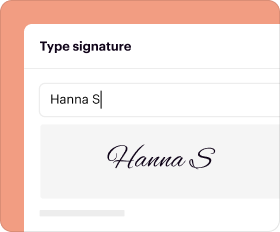
Add your legally binding signature or send the form for signing.

Share
Share the form via a link, letting anyone fill it out from any device.

Export
Download, print, email, or move the form to your cloud storage.
Why pdfFiller is the best tool for your documents and forms


End-to-end document management
From editing and signing to collaboration and tracking, pdfFiller has everything you need to get your documents done quickly and efficiently.
Accessible from anywhere
pdfFiller is fully cloud-based. This means you can edit, sign, and share documents from anywhere using your computer, smartphone, or tablet.
Secure and compliant
pdfFiller lets you securely manage documents following global laws like ESIGN, CCPA, and GDPR. It's also HIPAA and SOC 2 compliant.
What is AK P-310
The Alaska Claim Against Estate Form is a legal document used by creditors to file a claim against the estate of a deceased person in Alaska.
pdfFiller scores top ratings on review platforms




Who needs AK P-310?
Explore how professionals across industries use pdfFiller.

AK P-310 is needed by:
-
Creditors seeking to claim debts owed by a deceased person.
-
Executors managing the estate's affairs.
-
Beneficiaries wanting to verify outstanding claims on the estate.
-
Lawyers specializing in probate law.
-
Individuals requiring guidance on estate claims in Alaska.
Comprehensive Guide to AK P-310
What is the Alaska Claim Against Estate Form?
The Alaska Claim Against Estate Form, commonly known as the P-310 form, is a crucial legal document used in Alaska probate proceedings. This form allows creditors to formally submit claims against the estate of a deceased individual. Governed by Alaska Statute 13.16.465 and Probate Rule 10, it ensures a structured process for the resolution of claims, protecting the rights of both claimants and estates.
Purpose and Benefits of the Alaska Claim Against Estate Form
Creditors often need to file a claim against an estate to recover debts owed to them by the deceased. By utilizing the Alaska Claim Against Estate Form, claimants can clarify their claims, ensuring that their rights are recognized in the probate process. This form not only facilitates transparency and organization but also empowers claimants by clearly outlining their legal rights, making it easier for them to assert their claims.
Key Features of the Alaska Claim Against Estate Form
The Alaska Claim Against Estate Form includes essential features designed to aid creditors in submitting their claims effectively. Key elements of the form consist of:
-
Fields for the claimant's name and address
-
Spaces to indicate the amount owed
-
Sections detailing the basis for the claim
-
A signature requirement that enforces legal accountability
These features streamline the claims process and help ensure that all necessary information is provided for consideration.
Who Needs the Alaska Claim Against Estate Form?
Various individuals and entities may be eligible to file the Alaska Claim Against Estate Form. Claimants can include creditors who have provided goods, services, or loans to the deceased. Common scenarios necessitating the use of this form include outstanding medical bills, unpaid loans, and other financial obligations. Understanding eligibility criteria under Alaska law is crucial for those seeking to file a claim effectively.
How to Fill Out the Alaska Claim Against Estate Form Online
Filling out the Alaska Claim Against Estate Form can be done easily online using pdfFiller. Follow these steps for a smooth experience:
-
Access the form on pdfFiller’s platform.
-
Input your name and address in the designated fields.
-
Indicate the amount you are claiming.
-
Describe the basis for your claim in the provided section.
-
Sign the form electronically before submitting.
This process enhances convenience while ensuring that all required information is captured and submitted accurately.
Required Documents and Supporting Materials
Alongside the Alaska Claim Against Estate Form, certain documents may be necessary to support your claim. Essential materials can include:
-
Invoices or receipts that illustrate the debt
-
Contracts or agreements related to the claim
-
Any correspondence that demonstrates attempts to collect the debt
Having these items readily available streamlines the claims process and helps substantiate your submission.
Where to Submit the Alaska Claim Against Estate Form
Once completed, the Alaska Claim Against Estate Form can be submitted through various methods. You can deliver it in person to the probate court handling the estate or send it via mail. It’s important to be aware of any deadlines associated with submissions, as well as any potential fees that may apply. Ensuring timely submission will help you maintain your rights as a creditor.
What Happens After You Submit the Alaska Claim Against Estate Form
After submitting the Alaska Claim Against Estate Form, claimants should anticipate certain outcomes. The probate court will review the claim, and processing times may vary based on the court's workload. Claimants can track the status of their submission through official channels. Possible outcomes include approvals, denials, or requests for additional information, each of which can significantly impact the claimant's rights and next steps.
Sample Completed Alaska Claim Against Estate Form
To assist users, a sample completed Alaska Claim Against Estate Form is available for reference. This example clarifies what a filled-out form looks like and provides insights into each section, illustrating how to complete the fields effectively. Reviewing a sample can enhance understanding and help ensure that claimants meet all necessary requirements for their own submissions.
Streamline Your Filing with pdfFiller
Using pdfFiller to complete the Alaska Claim Against Estate Form simplifies the filing process significantly. The platform allows users to edit and sign documents seamlessly while adhering to security standards such as 256-bit encryption. With its user-friendly interface and compliance with regulations like HIPAA and GDPR, pdfFiller provides a reliable solution for managing sensitive information during the claims process.
How to fill out the AK P-310
-
1.Access the Alaska Claim Against Estate Form (P-310) on pdfFiller by searching for it directly on the platform or locating it through the legal document section.
-
2.Open the form by clicking on it within your pdfFiller dashboard. This will launch the fillable document in the editor.
-
3.Before you start filling out the form, gather all necessary details, including the basis for your claim, the amount owed, and your personal information like name, address, and phone number.
-
4.Begin filling in the required fields, starting with your name and contact details. Utilize the text fields appropriately, ensuring all information is accurate.
-
5.Clearly articulate the basis for your claim in the dedicated section. Provide supporting details that will validate your request.
-
6.Once you have completed all fields, review the form carefully for any missing information or errors. Ensure your claim accurately reflects your circumstances.
-
7.After finalizing the details, sign the form electronically using pdfFiller's signature feature. This step is crucial as it confirms your claim.
-
8.Save your progress at any stage by clicking on the save option. Make sure your completed form is saved to your account.
-
9.Once you're satisfied with the form, choose the download option to save it to your device or use the email feature to send it directly to relevant parties.
-
10.If necessary, submit the completed form to the appropriate probate court or executor by following their specified submission guidelines.

Who can file an Alaska Claim Against Estate Form?
Creditors who are owed money by the deceased can file this form. It is important that the claimant can provide evidence of the debt.
What is the deadline for filing this claim in Alaska?
Claims should typically be filed within a specific timeframe mandated by the probate court. It's advisable to check with local court regulations for exact deadlines.
How do I submit the completed form?
Once completed, the form must be submitted to the appropriate probate court or to the executor handling the estate. Check with the local court for submission methods.
Are there any supporting documents required?
Yes, you may need to provide proof of the debt along with the claim form, such as receipts or contracts related to the owed amount.
What are common mistakes to avoid when filling out the form?
Ensure all fields are accurately completed and that you attach any necessary supporting documentation. Common mistakes include incomplete information and misspelled names or amounts.
What is the processing time for my claim?
Processing times can vary depending on the court and complexity of the claim. Typically, expect several weeks for a response.
Is notarization required for this form?
No, notarization is not required for the Alaska Claim Against Estate Form, but it must be signed by the claimant.
Related Forms




Get the latest insights from our blog


If you believe that this page should be taken down, please follow our DMCA take down process
here
.
This form may include fields for payment information. Data entered in these fields is not covered by PCI DSS compliance.