
Last updated on
Nov 9, 2026
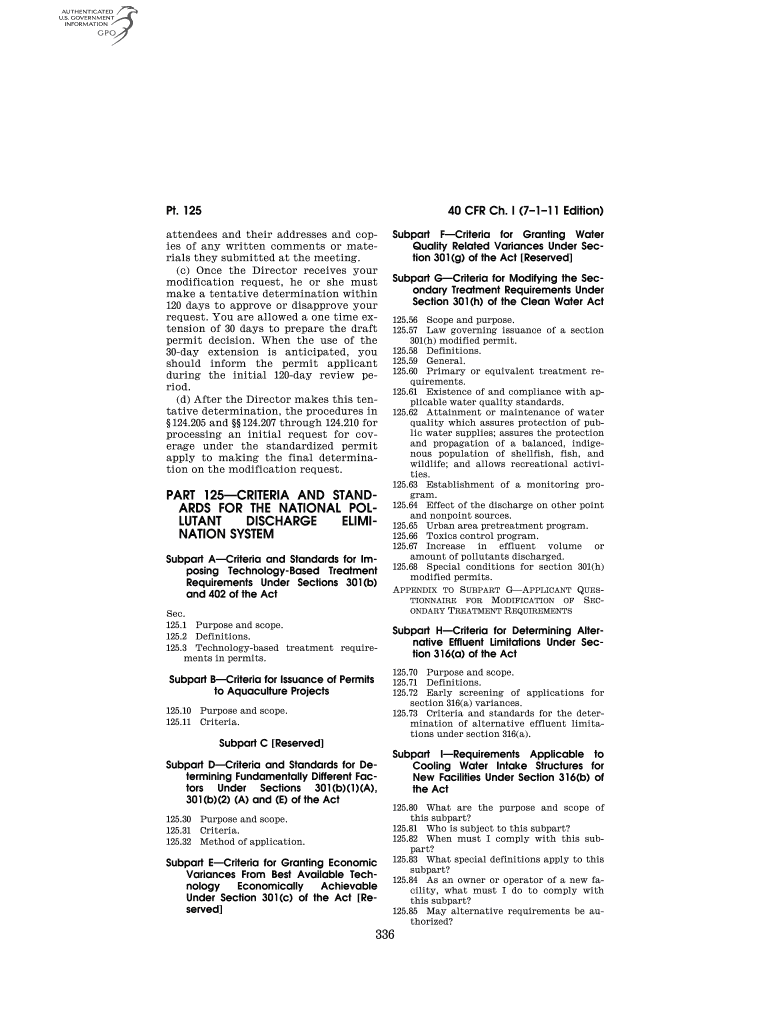
GPO 40 CFR 125 2011-2026 free printable template
pdfFiller is not affiliated with any government organization
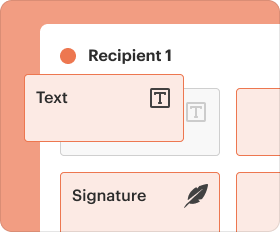
Fill out
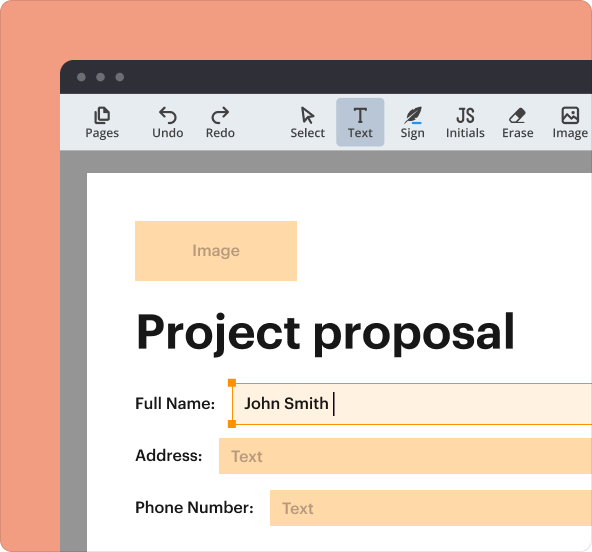
Complete the form online in a simple drag-and-drop editor.
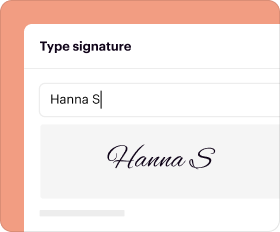
eSign
Add your legally binding signature or send the form for signing.
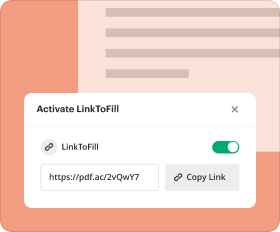
Share
Share the form via a link, letting anyone fill it out from any device.

Export
Download, print, email, or move the form to your cloud storage.
Why pdfFiller is the best tool for your documents and forms


End-to-end document management
From editing and signing to collaboration and tracking, pdfFiller has everything you need to get your documents done quickly and efficiently.
Accessible from anywhere
pdfFiller is fully cloud-based. This means you can edit, sign, and share documents from anywhere using your computer, smartphone, or tablet.
Secure and compliant
pdfFiller lets you securely manage documents following global laws like ESIGN, CCPA, and GDPR. It's also HIPAA and SOC 2 compliant.
What is GPO 40 CFR 125
The Clean Water Act Permit Modification Request is a regulatory document used by entities seeking to amend their permits under the Clean Water Act to ensure compliance with environmental regulations.
pdfFiller scores top ratings on review platforms




Who needs GPO 40 CFR 125?
Explore how professionals across industries use pdfFiller.

GPO 40 CFR 125 is needed by:
-
Environmental engineers needing permit modifications.
-
Oil and gas extraction facilities applying for permit changes.
-
Applicants seeking water quality variances.
-
Government agencies reviewing permit applications.
-
Consultants assisting clients with NPDES permits.
-
Compliance officers ensuring adherence to water treatment requirements.
Comprehensive Guide to GPO 40 CFR 125
What is the Clean Water Act Permit Modification Request?
The Clean Water Act Permit Modification Request is a vital form designed to help applicants modify their existing water permits. This request is significant as it allows permit holders to comply with new regulations and improve water quality through necessary adjustments. The Environmental Protection Agency (EPA) plays a central role in overseeing this process, ensuring that modifications adhere to federal standards and support environmental integrity.
Purpose and Benefits of Submitting a Clean Water Act Permit Modification Request
There are various reasons why users may need to submit a modification request. Changes in environmental laws often necessitate permit adjustments, allowing facilities to align with updated water quality variances and technology-based treatment requirements. Furthermore, modifying permits is crucial for enhancing environmental protection, as it enables facilities to implement better practices and technologies that can reduce pollution.
Submitting a modification request can offer substantial advantages, such as maintaining compliance and improving operational efficiency. By addressing needs through modifications, facilities can also contribute positively to their communities by safeguarding local water resources.
Key Features of the Clean Water Act Permit Modification Request
The Clean Water Act Permit Modification Request includes several critical sections that delineate the requirements applicants need to meet. Key features of the document consist of:
-
Definitions that clarify terminology used within the request.
-
Criteria for granting variances related to water quality and pollutant discharge.
-
Responsibilities of the applicant to maintain compliance throughout the permit’s duration.
-
Specific considerations for cooling water intake structures and oil and gas extraction facilities.
Each of these components plays a crucial role in ensuring that modifications align with environmental protection standards and practical regulatory requirements.
Who Needs the Clean Water Act Permit Modification Request?
This modification request is essential for various applicants, including those operating in industries that may experience significant changes. Examples of scenarios that necessitate the submission of a modification request include:
-
Industry expansions requiring updated treatment methodologies.
-
Changes in state or federal regulations affecting water quality standards.
-
Technological advancements that allow improved treatment methods.
All permit applicants should understand their responsibilities in maintaining compliance and the circumstances that require a permit modification. Being proactive in these situations can help facilities avoid potential penalties and ensure environmental obligations are met.
Eligibility Criteria for Clean Water Act Permit Modification
To be eligible for a permit modification, applicants must satisfy several criteria. Important considerations include:
-
Demonstrating compliance with existing treatment requirements.
-
Addressing any previous violations that may impact eligibility.
-
Providing relevant supporting documentation that justifies the requested modifications.
Understanding these eligibility criteria is crucial for a successful modification request and can aid applicants in preparing their submissions effectively.
How to Fill Out the Clean Water Act Permit Modification Request Online
Completing the Clean Water Act Permit Modification Request form online is a straightforward process. Follow these steps to ensure accurate submission:
-
Access the online form through the designated government portal.
-
Complete all required fields, ensuring that information matches your existing permit.
-
Review each section for accuracy, particularly the specifics related to water quality and treatment technology.
-
Submit the form electronically after confirming that all information is thoroughly detailed.
By paying attention to specific fields and ensuring that all details are correct, applicants can increase the likelihood of their modification request being approved.
Review and Validation Checklist for Your Submission
To enhance the chances of a successful submission, applicants should review their modification request carefully. Common errors to avoid include:
-
Providing incomplete or inaccurate information in required fields.
-
Failing to include necessary supporting documentation.
-
Neglecting to check compliance with the latest regulatory requirements.
A validation checklist can be helpful to ensure all required information and documents are complete before submission, increasing the overall efficiency of the application process.
Submission Methods and Delivery of the Clean Water Act Permit Modification Request
Applicants can choose from various methods to submit the Clean Water Act Permit Modification Request. Available options include:
-
Online submission, which provides instant confirmation.
-
Mailing the application, which may require additional time for processing.
When submitting, applicants should note applicable fees, deadlines for submission, and tracking options to confirm receipt by the EPA. Understanding these details is essential for managing timelines effectively.
What Happens After You Submit the Clean Water Act Permit Modification Request?
After submitting a modification request, applicants can expect a defined follow-up process. Key aspects include:
-
Receiving confirmation of submission and tracking information from the EPA.
-
A review period where the EPA assesses the request based on compliance and regulatory standards.
-
Notifications regarding approval, potential modifications, or reasons for rejection.
Being prepared for common rejection reasons and having an understanding of how to address them can significantly improve future submission attempts.
Empowering Your Application with pdfFiller
pdfFiller can significantly enhance the experience of completing and managing your Clean Water Act Permit Modification Request. Features offered by pdfFiller include:
-
The ability to edit and annotate documents seamlessly.
-
eSigning capabilities to streamline the submission process.
-
Secure handling of sensitive documents with robust encryption.
Leveraging these resources can help applicants complete their requests more efficiently, ultimately fostering better compliance and environmental stewardship.
How to fill out the GPO 40 CFR 125
-
1.Access the Clean Water Act Permit Modification Request form on pdfFiller by searching for the form name in the search bar.
-
2.Open the form by clicking on it. Familiarize yourself with the layout and sections of the document before making any edits.
-
3.Gather necessary information such as your current permit details, environmental impact data, and any supporting documents that demonstrate the need for modification.
-
4.Navigate the form using pdfFiller's interface. You will not find any fields to fill out directly as this is regulatory text.
-
5.Review the outlined procedures, criteria for granting variances, and timelines for permit modification to understand your requirements.
-
6.Finalize your modifications based on the information reviewed. Although this document is not a fillable form, ensure your request meets the stated conditions.
-
7.Once you have everything, save the document as a PDF on your device. You may download it directly from pdfFiller.
-
8.To submit, follow your agency's guidelines for submitting modifications, which may include emailing or sending a hard copy by mail.
Who is eligible to request a modification?
Any permit holder under the Clean Water Act, including businesses, municipalities, and organizations, can apply for a modification if they meet the established criteria.
What are the deadlines for submitting a permit modification request?
Deadlines vary based on the specific permit and modification type. It's advisable to check with your local EPA office for time-sensitive information.
How do I submit my modification request?
Your submission method will depend on your local EPA office. Typically, you can submit electronically via email or by mailing a hard copy of your request.
What supporting documents do I need to include?
You should include your current permit, any environmental impact assessments, and documentation that supports your request for a modification.
What common mistakes should I avoid when requesting a modification?
Ensure that you thoroughly review the form requirements, correctly fill out any necessary documentation, and provide all supporting files to avoid delays.
How long does it take to process a modification request?
Processing times vary based on the complexity of the modification and the workload of the reviewing agency. It may take several weeks to months.
Can I request a modification for any part of my permit?
You can request modifications for specific aspects of your permit, but they must align with the criteria specified by the EPA for approval.
Related Forms




Get the latest insights from our blog


If you believe that this page should be taken down, please follow our DMCA take down process
here
.
This form may include fields for payment information. Data entered in these fields is not covered by PCI DSS compliance.