
Last updated on
Nov 17, 2026
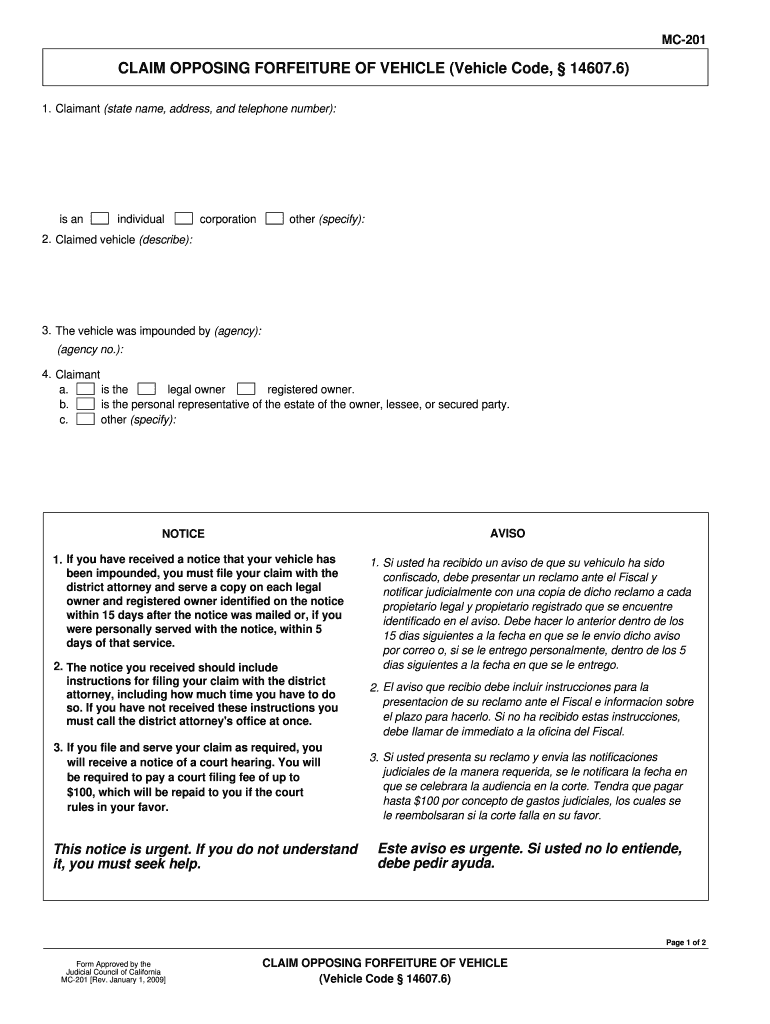
CA MC-201 2009-2026 free printable template
pdfFiller is not affiliated with any government organization
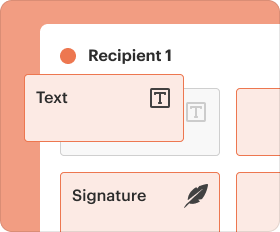
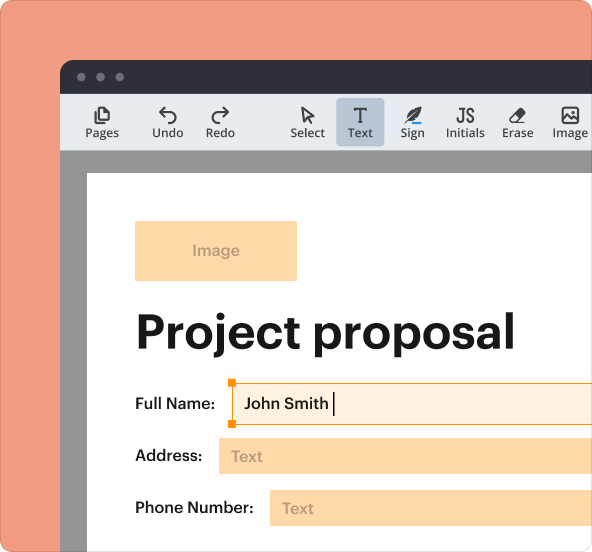
Fill out
Complete the form online in a simple drag-and-drop editor.
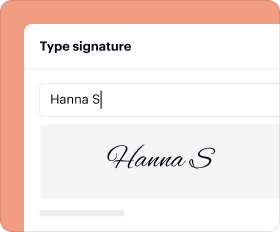
eSign
Add your legally binding signature or send the form for signing.

Share
Share the form via a link, letting anyone fill it out from any device.

Export
Download, print, email, or move the form to your cloud storage.
Why pdfFiller is the best tool for your documents and forms


End-to-end document management
From editing and signing to collaboration and tracking, pdfFiller has everything you need to get your documents done quickly and efficiently.
Accessible from anywhere
pdfFiller is fully cloud-based. This means you can edit, sign, and share documents from anywhere using your computer, smartphone, or tablet.
Secure and compliant
pdfFiller lets you securely manage documents following global laws like ESIGN, CCPA, and GDPR. It's also HIPAA and SOC 2 compliant.
What is CA MC-201
The California Claim Opposing Forfeiture of Vehicle is a legal document used by vehicle owners to claim ownership of an impounded vehicle and request a court hearing.
pdfFiller scores top ratings on review platforms




Who needs CA MC-201?
Explore how professionals across industries use pdfFiller.

CA MC-201 is needed by:
-
Vehicle owners facing impoundment in California
-
Individuals contesting vehicle forfeiture due to legal reasons
-
Claimants seeking to reclaim ownership of their vehicles
-
Legal representatives filing on behalf of clients
-
Residents of California involved in vehicle-related legal issues
Comprehensive Guide to CA MC-201
What is the California Claim Opposing Forfeiture of Vehicle?
The MC-201 form is a critical legal document in California designed for vehicle owners facing impoundment issues. Its primary function is to allow claimants to establish and assert ownership over vehicles that have been impounded. Filing this form is essential for any vehicle owner who wishes to contest the forfeiture of their vehicle, ensuring their rights are protected under California law.
By utilizing the MC-201 form, individuals can initiate the claim process to reclaim their vehicle, which may have been subjected to unlawful impoundment or forfeiture. Understanding the legal requirements related to the form is crucial, as proper submission is needed to maintain ownership rights.
Purpose and Benefits of the California Claim Opposing Forfeiture of Vehicle
The California Claim Opposing Forfeiture of Vehicle serves several important purposes for vehicle owners seeking to reclaim their impounded property. One significant advantage is the restoration of legal ownership for claimants, allowing them to regain access to their vehicles and the associated rights that come with ownership.
Filing the MC-201 form offers protections that can result in favorable outcomes, such as preventing permanent forfeiture of the vehicle. Claimants may find various resolutions, ranging from outright return of the vehicle to potential settlements that acknowledge their ownership rights.
Who Needs the California Claim Opposing Forfeiture of Vehicle?
This form is essential for a diverse group of individuals and businesses that may find themselves in situations involving vehicle impoundment. Potential claimants include vehicle owners, lessees, or businesses that operate vehicles which have been unlawfully seized or forfeited.
Circumstances necessitating this claim often arise from traffic violations, accidents, or other legal situations that lead to vehicle impoundment. Knowing the eligibility criteria before filing is vital to ensure a successful claim submission.
Eligibility Criteria for the California Claim Opposing Forfeiture of Vehicle
To successfully file the MC-201 form, claimants must meet specific eligibility criteria that validate their ownership or interest in the impounded vehicle. These guidelines include ownership scenarios such as being the registered owner, lessee, or having a legal interest in the vehicle.
Claimants need to provide documentation to establish their interest, which may include titles, registration papers, or rental agreements. Additionally, there are strict timeline restrictions regarding when the form must be submitted to be considered valid in the process of contesting vehicle forfeiture.
How to Fill Out the California Claim Opposing Forfeiture of Vehicle Online (Step-by-Step)
Filling out the MC-201 form online can be a straightforward process if followed correctly. Begin by accessing the form through a reliable online resource. Once you've opened the form, follow these steps:
-
Enter your personal information, including your name and contact details.
-
Provide specifics about the vehicle, such as make, model, and vehicle identification number (VIN).
-
Detail your claim regarding ownership or interest in the vehicle.
-
Review each section for any missing information or discrepancies.
-
Sign the form electronically to validate your submission.
To ensure accuracy, double-check all entries, as mistakes can delay processing or lead to claims being rejected.
Common Errors and How to Avoid Them
When completing the MC-201 form, it is essential to avoid common mistakes that could jeopardize your claim. Frequent errors include filling out incorrect vehicle details, providing incomplete personal information, and failing to include necessary signatures.
To mitigate these issues, consider using a checklist to verify that all fields are accurately filled before submitting. It is equally important to review the completed form to confirm compliance with submission requirements, which can save time and reduce frustration later on.
Where to Submit the California Claim Opposing Forfeiture of Vehicle
After completing the MC-201 form, knowing where and how to submit it is crucial. There are various submission methods available, including online options, mailing it to designated addresses, or delivering it in person to the relevant district attorney's office.
Claimants must also be aware of the locations of district attorney offices in their area and adhere to any specified submission deadlines to ensure their claim is processed in a timely manner. After submission, follow-up may be necessary to confirm receipt and check the status of your claim.
Fees, Deadlines, and Processing Time for the California Claim Opposing Forfeiture of Vehicle
Filing the MC-201 form may incur certain fees, which are important for claimants to budget for when initiating their claims. There may also be provisions for fee waivers if the claimant meets specific financial criteria.
It is essential to be aware of critical deadlines related to the filing process, as these can vary based on the specific circumstances of the vehicle's impoundment. Upon submission, claimants can expect a certain processing time during which their claim is reviewed and adjudicated.
What Happens After You Submit the California Claim Opposing Forfeiture of Vehicle
Once the MC-201 form is submitted, claimants should familiarize themselves with the review process and the potential outcomes. Expectations may include either approval or rejection of the claim. Understanding how to monitor the claim’s status is beneficial, allowing claimants to know if any further action is necessary.
In the event of a claim rejection, claimants should be prepared to address any issues or provide additional information as required. Remaining proactive throughout the process increases the chances of successfully reclaiming the vehicle.
Experience Seamless Form Completion with pdfFiller
Utilizing pdfFiller can significantly enhance the form completion experience for users. The platform features user-friendly functionalities designed for easy editing and filling of forms, streamlining the process.
Security is of utmost importance when handling sensitive information, and pdfFiller incorporates measures such as 256-bit encryption to protect users' data. Reliable tools reduce the risk of issues during submission, enabling users to focus on successfully completing their claims. Start your claim drafting confidently with pdfFiller today.
How to fill out the CA MC-201
-
1.To begin, visit pdfFiller and search for 'California Claim Opposing Forfeiture of Vehicle' or use the direct link provided to access the MC-201 form.
-
2.Once the form is open, familiarize yourself with the layout and available fields. You will find sections to input your vehicle information and personal details.
-
3.Gather all necessary information regarding the vehicle, including your interest in it, vehicle identification number, and any relevant ownership documents.
-
4.Fill in the required fields, ensuring accuracy in your details. Use the fillable features to complete sections that ask for specific information.
-
5.Review each section carefully after filling it out. Ensure that all information is correctly entered, as errors may delay your claim.
-
6.After completing the form, double-check all your entries and confirm that you have signed where required.
-
7.Once satisfied, you can save your completed form. Use the download option to keep a copy for your records.
-
8.If you need to submit the form, follow the instructions provided by pdfFiller to either print and mail it or upload it online as required.
Who is eligible to file the California Claim Opposing Forfeiture of Vehicle?
Eligibility typically includes vehicle owners or anyone with a legal interest in the vehicle. You must ensure that you can provide proof of ownership or interest to file this claim.
What is the deadline for filing this claim?
There is a specified timeframe within which the MC-201 must be filed after the vehicle's impoundment. It is crucial to file promptly to avoid losing your right to contest the forfeiture.
How do I submit the completed form?
The form can typically be submitted by mailing it to the district attorney's office or, in some cases, can be filed electronically depending on local rules. Always check local submission procedures.
What supporting documents do I need to attach?
You may need to include proof of ownership or any notices regarding the vehicle impoundment. Verify with the filing requirements to see if additional documents are mandatory.
What are common mistakes to avoid when filling the form?
Common mistakes include leaving required fields blank, misspelling information, or failing to sign the document. Double-checking your entries can help prevent these issues.
How long does the processing of this claim take?
Processing times can vary based on the local district attorney’s office workload. It’s advisable to inquire about timeframes during filing for a clearer expectation.
Will I incur any fees when filing this claim?
Yes, filing this claim may require a court filing fee. Check with the court or local district attorney’s office to understand any fees that might apply.
Related Forms

Get the latest insights from our blog


If you believe that this page should be taken down, please follow our DMCA take down process
here
.
This form may include fields for payment information. Data entered in these fields is not covered by PCI DSS compliance.