
Last updated on
Oct 19, 2026
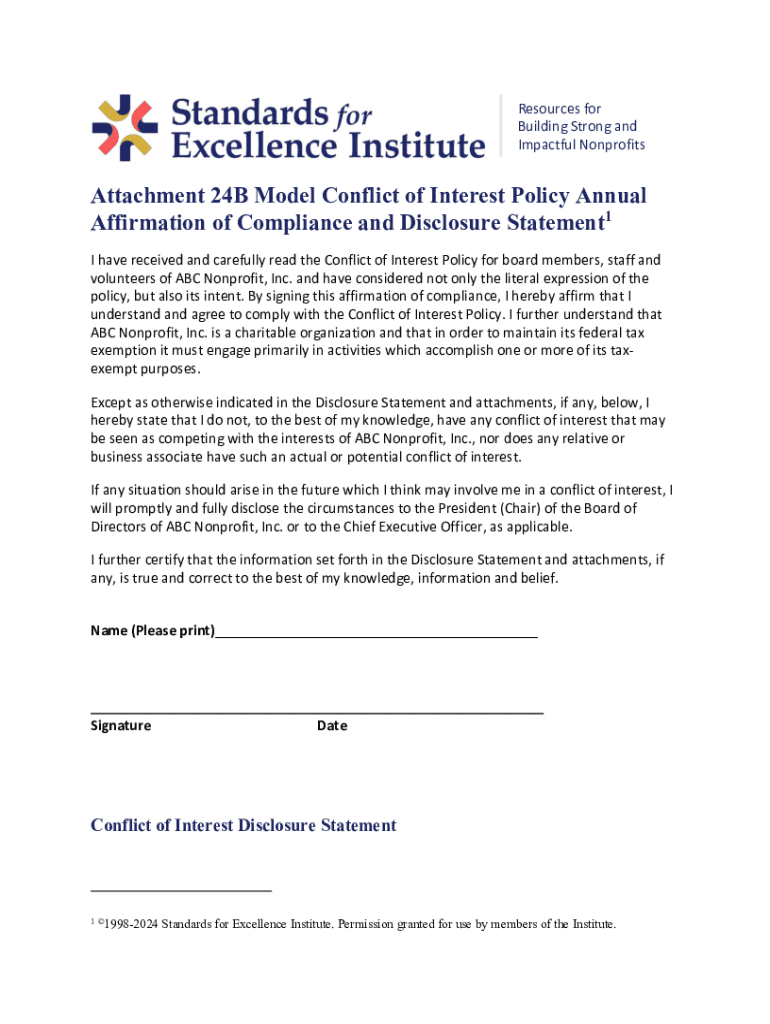
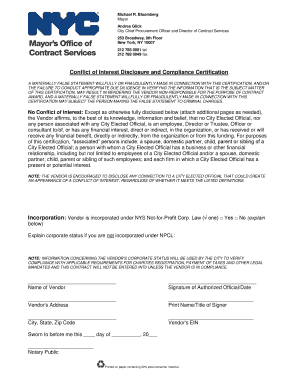
Get the free Nonprofit Conflict of Interest Policy Affirmation
We are not affiliated with any brand or entity on this form
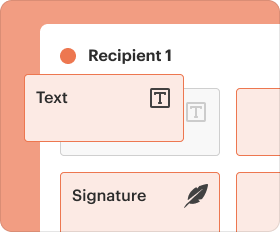
Fill out
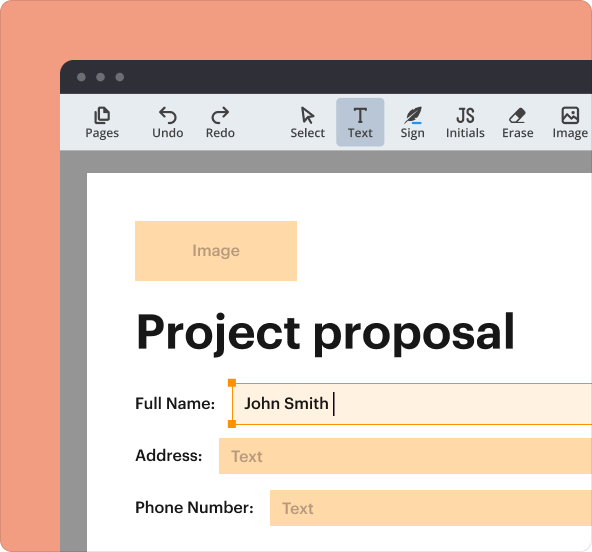
Complete the form online in a simple drag-and-drop editor.
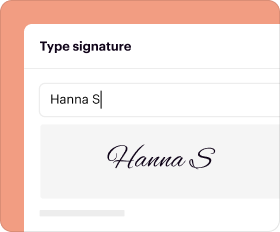
eSign
Add your legally binding signature or send the form for signing.
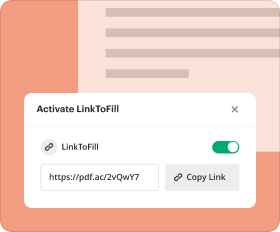
Share
Share the form via a link, letting anyone fill it out from any device.
Export
Download, print, email, or move the form to your cloud storage.
Why pdfFiller is the best tool for your documents and forms


End-to-end document management
From editing and signing to collaboration and tracking, pdfFiller has everything you need to get your documents done quickly and efficiently.
Accessible from anywhere
pdfFiller is fully cloud-based. This means you can edit, sign, and share documents from anywhere using your computer, smartphone, or tablet.
Secure and compliant
pdfFiller lets you securely manage documents following global laws like ESIGN, CCPA, and GDPR. It's also HIPAA and SOC 2 compliant.
What is Nonprofit COI Policy
The nonprofit conflict of interest form is a document used by nonprofit organizations to disclose any potential conflicts affecting governance and decision-making.
pdfFiller scores top ratings on review platforms




Who needs Nonprofit COI Policy?
Explore how professionals across industries use pdfFiller.

Nonprofit COI Policy is needed by:
-
Board Members of Nonprofit Organizations
-
Executive Directors of Nonprofits
-
Staff and Volunteers in Nonprofits
-
Legal Advisors for Nonprofit Entities
-
Grant Application Committees
Comprehensive Guide to Nonprofit COI Policy
What is the Nonprofit Conflict of Interest?
A nonprofit conflict of interest arises when an individual's personal interests interfere, or appear to interfere, with the interests of the nonprofit organization. This situation can lead to a lack of transparency and accountability, which is why implementing conflict of interest policies is crucial for maintaining trust within the community. Understanding the historical context of these regulations reveals their importance in safeguarding organizations against unethical practices.
Nonprofit organizations adopt these policies primarily to avoid situations that might compromise their integrity. The establishment of conflict of interest regulations stems from various legislative efforts to promote ethical governance in the nonprofit sector.
Purpose and Benefits of the Nonprofit Conflict of Interest Form
The primary purpose of the nonprofit conflict of interest form is to document any potential conflicts that may affect decision-making processes. Proper documentation helps organizations maintain governance standards and ensures transparency among stakeholders.
There are several benefits associated with having a clear conflict of interest policy:
-
Encourages open communication about personal interests.
-
Helps protect the organization from potential legal implications related to negligence.
-
Supports ethical decision-making by clarifying expectations for all members.
Who Needs to Use the Nonprofit Conflict of Interest Form?
Various stakeholders within a nonprofit organization are required to complete the nonprofit conflict of interest form. This typically includes board members, key employees, and other individuals in influential positions who might face conflicts between their duties and personal interests.
Organizations of all sizes and sectors should be mindful of the scenarios that necessitate this form. For example, a board member serving on the committee of a company that seeks funding from the nonprofit should disclose this relationship to avoid any perception of bias.
Key Features and Requirements of the Nonprofit Conflict of Interest Form
The nonprofit conflict of interest form includes several essential elements that help capture necessary information. Key sections typically consist of personal information, a description of the nature of the conflict, and required affirmations or acknowledgments by the individuals filling out the form.
Understanding the specific information requested reinforces the importance of transparency and accountability within the organization.
How to Fill Out the Nonprofit Conflict of Interest Form Online (Step-by-Step)
For those looking to fill out the nonprofit conflict of interest form online, follow these steps:
-
Access the form through pdfFiller.
-
Provide necessary personal information in the designated fields.
-
Detail any potential conflicts of interest in the relevant section.
-
Review the form for accuracy before submitting.
-
Finalize the submission process as directed by pdfFiller's interface.
To ensure accuracy, avoid common pitfalls such as overlooking information or failing to validate any conflicts disclosed.
Security and Compliance in Handling the Nonprofit Conflict of Interest Form
When dealing with sensitive documents like the nonprofit conflict of interest form, data security is paramount. pdfFiller employs robust security features, including 256-bit encryption, to protect user information.
Compliance with regulations related to conflict of interest disclosures is also critical. Organizations must retain completed forms for legal purposes and adhere to the applicable standards in their jurisdiction.
Submission Methods and Deadlines for the Nonprofit Conflict of Interest Form
Users have several options for submitting the nonprofit conflict of interest form, including online submission and email. It is essential to be aware of important deadlines, as late submissions may result in consequences that could affect governance or compliance.
To track submission status effectively, keep confirmation receipts and set reminders for follow-ups as necessary.
What Happens After Submitting the Nonprofit Conflict of Interest Form?
After submission, the organization typically reviews the conflict of interest disclosures. Understanding the review process helps individuals prepare for any additional requests for information or potential rejections.
If a form needs to be corrected or amended, stakeholders should follow designated procedures to ensure compliance with the organization’s policies.
Using pdfFiller to Manage Your Nonprofit Conflict of Interest Document
pdfFiller offers an efficient platform for managing the nonprofit conflict of interest document. Users can take advantage of a variety of features like editing, eSigning, and sharing capabilities to streamline the form's lifecycle.
Success stories from users illustrate how pdfFiller has simplified document management for nonprofits, making it easier to maintain compliance and governance standards.
How to fill out the Nonprofit COI Policy
-
1.To start, visit pdfFiller's website and log in or create an account if you don't have one. Use the search bar to locate the nonprofit conflict of interest form.
-
2.Once you have found the form, click on it to open it in pdfFiller's editing interface. This allows you to view all the fields that need to be completed.
-
3.Before you start filling out the form, gather any necessary information, such as existing conflict disclosures or relevant organizational policies. This will help you complete the document accurately.
-
4.Engage with the form fields by clicking on them. You can type directly into text fields, select options from dropdown menus, and check boxes as appropriate.
-
5.Review your entries for completeness, ensuring all required fields are filled. Utilize pdfFiller’s features such as spell check and field validation to enhance the accuracy of your input.
-
6.After completing the form, carefully read through it to confirm all information is correct. You may use the 'preview' function to see how it will look once finalized.
-
7.To save your completed form, click on the save icon. You can then choose to download it to your device or submit it directly if your nonprofit has online submission capabilities.
Who is required to file the nonprofit conflict of interest form?
Typically, board members and executive staff of nonprofit organizations are required to file this form. It's essential to maintain transparency and uphold ethical standards.
What are the deadlines for submitting the form?
Submission deadlines may vary depending on your organization’s policies. Generally, it's best to file the form annually at the start of the fiscal year or once key personnel changes occur.
How can I submit the completed form?
You can submit the form electronically through pdfFiller by using the submission feature, or you can print and mail it to your organization’s governance team.
Are there any supporting documents required with this form?
While the form itself typically does not require supporting documents, organizations might request a list of related parties or existing conflict disclosures to accompany it.
What common mistakes should I avoid when filling out the form?
Common mistakes include failing to disclose all relevant parties, not signing the form, or missing deadlines. It’s crucial to fill all required fields accurately to avoid issues.
How long does it take to process the submitted form?
Processing times can vary by organization, but typically expect a response within two to four weeks once submitted, depending on internal review schedules.
What if I have a conflict to disclose after submitting the form?
If a conflict arises after submission, immediately notify your organization’s governance team and submit an amended form as needed to ensure full compliance.
Related Forms


Get the latest insights from our blog


If you believe that this page should be taken down, please follow our DMCA take down process
here
.
This form may include fields for payment information. Data entered in these fields is not covered by PCI DSS compliance.