
Last updated on
Oct 19, 2026

Get the free Cleveland Forcible Entry and Detainer Complaint
We are not affiliated with any brand or entity on this form
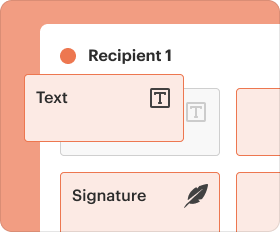
Fill out
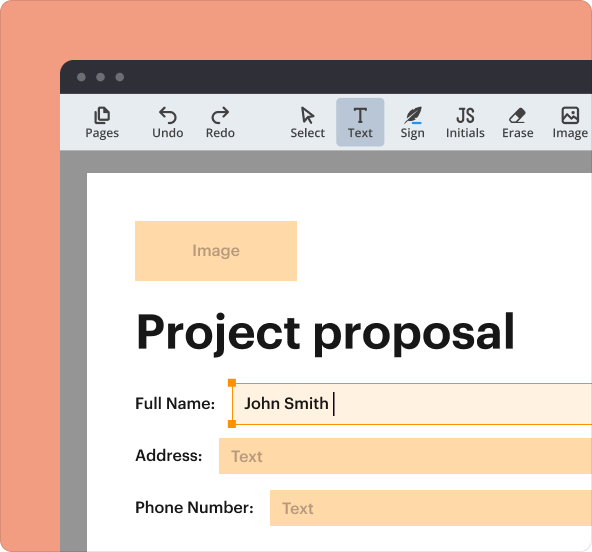
Complete the form online in a simple drag-and-drop editor.
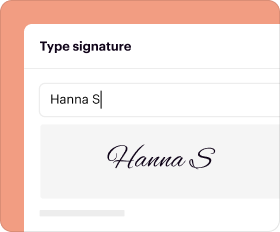
eSign
Add your legally binding signature or send the form for signing.
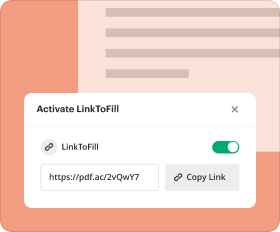
Share
Share the form via a link, letting anyone fill it out from any device.
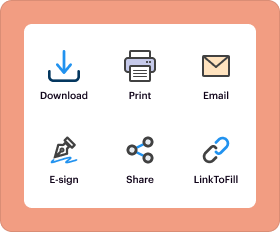
Export
Download, print, email, or move the form to your cloud storage.
Why pdfFiller is the best tool for your documents and forms


End-to-end document management
From editing and signing to collaboration and tracking, pdfFiller has everything you need to get your documents done quickly and efficiently.
Accessible from anywhere
pdfFiller is fully cloud-based. This means you can edit, sign, and share documents from anywhere using your computer, smartphone, or tablet.
Secure and compliant
pdfFiller lets you securely manage documents following global laws like ESIGN, CCPA, and GDPR. It's also HIPAA and SOC 2 compliant.
What is Cleveland Eviction Complaint
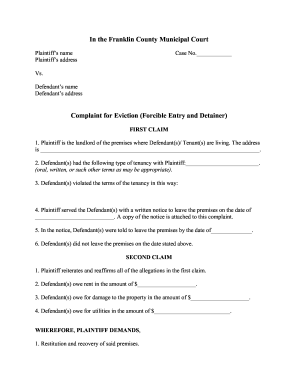
The Cleveland Forcible Entry and Detainer Complaint is a legal document used by landlords in Ohio to initiate eviction proceedings against tenants due to lease violations or non-payment of rent.
pdfFiller scores top ratings on review platforms




Who needs Cleveland Eviction Complaint?
Explore how professionals across industries use pdfFiller.

Cleveland Eviction Complaint is needed by:
-
Landlords or property owners initiating eviction
-
Legal representatives for tenants or landlords
-
Real estate agents involved in eviction matters
-
Individuals seeking to understand the eviction process
-
Property management companies handling tenant disputes
Comprehensive Guide to Cleveland Eviction Complaint
What is the Cleveland Forcible Entry and Detainer Complaint?
The Cleveland Forcible Entry and Detainer Complaint is a legal form used in the Cleveland Municipal Court's Housing Division to formally initiate eviction proceedings. This document serves as a vital instrument for landlords and property owners to assert their rights when dealing with tenant issues related to non-payment of rent or lease violations. The legal context surrounding forcible entry and detainer complaints is crucial for understanding the eviction process in Ohio.
This complaint signifies an essential step for landlords who wish to reclaim possession of their property and ensures that they have fulfilled the necessary legal requirements to do so.
Purpose and Benefits of the Cleveland Forcible Entry and Detainer Complaint
The primary purpose of filing the Cleveland Forcible Entry and Detainer Complaint revolves around addressing issues such as non-payment of rent or violations of lease agreements. By using this form, landlords can officially document their claims for eviction, helping to streamline the eviction process.
Utilizing this complaint offers several benefits:
-
Establishes a formal record of eviction claims.
-
Provides a clear outline of the grounds for eviction.
-
Facilitates quicker processing of the eviction.
Who Needs the Cleveland Forcible Entry and Detainer Complaint?
This complaint is primarily utilized by landlords, property owners, and property managers who need to initiate eviction proceedings. Various tenant scenarios may necessitate the use of this complaint, particularly when tenants fail to comply with lease terms.
In the eviction process, the plaintiff plays a crucial role, acting as the party seeking legal redress through the filing of the complaint. Understanding the responsibilities and rights of landlords is vital to navigate this process effectively.
Key Features of the Cleveland Forcible Entry and Detainer Complaint
The Cleveland Forcible Entry and Detainer Complaint features a structured format designed for ease of use. The document includes:
-
Fillable fields to input specific information.
-
Checkboxes to simplify the selection of grounds for eviction.
-
Signature lines for the plaintiff's verification.
Key information required includes details about the property location, lease agreement specifics, and the grounds for eviction. Additionally, any necessary exhibits or supporting documents should be attached to bolster the complaint.
How to Fill Out the Cleveland Forcible Entry and Detainer Complaint Online (Step-by-Step)
Filling out the Cleveland Forcible Entry and Detainer Complaint can be done efficiently through pdfFiller. Here’s how to do it:
-
Access the form through pdfFiller.
-
Begin by entering the property address accurately.
-
Fill in tenant information, including notice served details.
-
Double-check all entries for accuracy and completeness.
-
Finally, sign the document digitally.
Filing the Cleveland Forcible Entry and Detainer Complaint
After completing the complaint, landlords must submit it to the appropriate court. This involves understanding where and how to file the complaint both physically and electronically. Keep the following considerations in mind:
-
Filing fees may apply; check current rates.
-
Processing times can vary, affecting how quickly the eviction proceeds.
-
Delays or errors in the filing process may lead to complications in the eviction.
-
Include a checklist of necessary documents when submitting.
What Happens After You Submit the Cleveland Forcible Entry and Detainer Complaint
Once the complaint is submitted, several next steps follow in the eviction process. Key aspects include:
-
Awaiting potential court hearings to discuss the complaint.
-
Understanding tenant responses, which may affect the outcome.
-
Tracking submission status and adhering to established timelines.
Security and Compliance for the Cleveland Forcible Entry and Detainer Complaint
Maintaining the security of sensitive information during the filing process is paramount. pdfFiller incorporates robust security measures to protect users, including:
-
256-bit encryption for documents.
-
Compliance with HIPAA and GDPR regulations.
-
Features that emphasize user privacy and data protection.
Utilizing pdfFiller to Complete the Cleveland Forcible Entry and Detainer Complaint
pdfFiller enhances the experience of filling out the Cleveland Forcible Entry and Detainer Complaint through its user-friendly platform. Some notable features include:
-
Easy online accessibility from any device.
-
Document management capabilities to organize files efficiently.
-
eSignature options to expedite the signing process.
By leveraging pdfFiller, users can simplify their form-filling tasks while ensuring compliance with legal requirements.
How to fill out the Cleveland Eviction Complaint
-
1.Access the Cleveland Forcible Entry and Detainer Complaint on pdfFiller by visiting the platform's homepage and searching for the form by name.
-
2.Once located, click on the form to open it in the pdfFiller editor, where you will see multiple fillable fields and instructions for completion.
-
3.Before filling out the form, gather necessary information such as the property address, tenancy details, and reasons for eviction, along with any relevant documents such as lease agreements.
-
4.Start by entering the property address and tenant's information into the designated fields. Use the available checkboxes to indicate the reasons for eviction, such as non-payment of rent.
-
5.Carefully read through each section of the form and fill in the relevant details, ensuring accuracy and completeness in every entry.
-
6.As you complete the form, use the tools provided by pdfFiller to add signatures and any necessary attachments, such as proof of ownership or eviction notices.
-
7.Once all fields are completed, review the form thoroughly for any errors or missing information to ensure everything is accurate before finalizing.
-
8.After reviewing, save the document to your pdfFiller account or download it as a PDF for printing or electronic submission.
-
9.If necessary, submit the completed form to the appropriate Cleveland Municipal Court by following their guidelines for electronic or physical submissions.
Who is eligible to file the Cleveland Forcible Entry and Detainer Complaint?
Landlords or property owners with a legitimate claim against tenants for violations such as non-payment of rent or lease breaches are eligible to file this complaint in the Cleveland Municipal Court.
What is the deadline for submitting this eviction complaint?
There is no specific deadline for submitting the complaint, but it is essential to file it promptly after a notice to vacate has been served to ensure timely processing and adherence to legal timelines.
How can I submit the completed form?
The completed Cleveland Forcible Entry and Detainer Complaint can be submitted in person at the Cleveland Municipal Court or electronically through their online platform, adhering to the court's specific submission guidelines.
What supporting documents are required when filing this complaint?
You may need to attach supporting documents such as proof of ownership, copies of the lease agreement, and any eviction notices served to the tenant as part of the filing process.
What are common mistakes to avoid when filling out the form?
Ensure all fields are completed accurately and do not leave any sections blank unless specified. Also, double-check that signatures are provided where required to avoid delays in processing.
How long does it take for the complaint to be processed?
Processing times can vary, but typically allow several business days for the court to process the complaint and schedule the eviction hearing after submission.
What are the next steps after filing the complaint?
After filing, you will need to serve the tenant with the complaint and summons. Follow up with the court for the scheduled hearing date and prepare to present your case.
Related Forms



Get the latest insights from our blog


If you believe that this page should be taken down, please follow our DMCA take down process
here
.
This form may include fields for payment information. Data entered in these fields is not covered by PCI DSS compliance.