
Last updated on
Oct 19, 2026

Get the free Utah Newborn Screening Bloodspot Consent Form
We are not affiliated with any brand or entity on this form
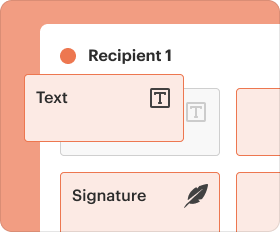
Fill out
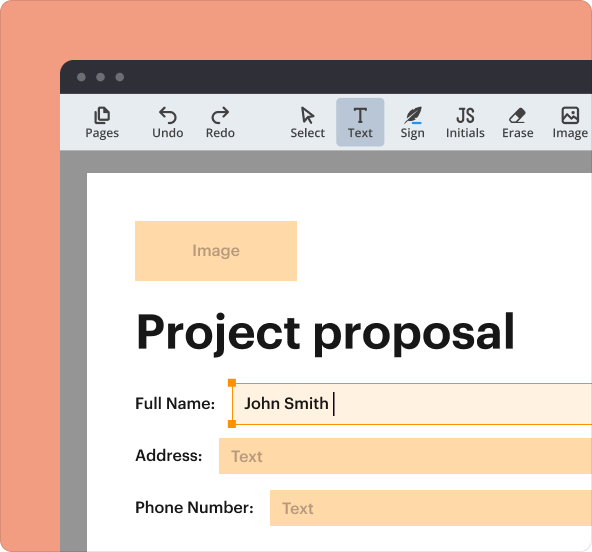
Complete the form online in a simple drag-and-drop editor.
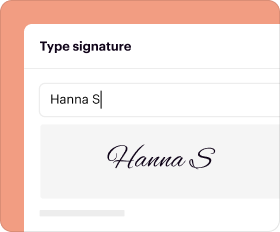
eSign
Add your legally binding signature or send the form for signing.
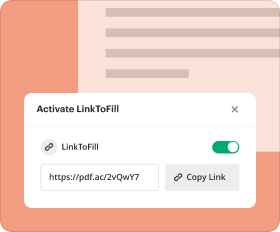
Share
Share the form via a link, letting anyone fill it out from any device.
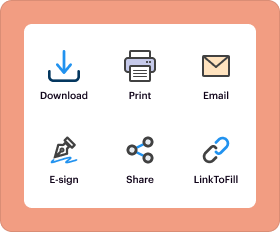
Export
Download, print, email, or move the form to your cloud storage.
Why pdfFiller is the best tool for your documents and forms


End-to-end document management
From editing and signing to collaboration and tracking, pdfFiller has everything you need to get your documents done quickly and efficiently.
Accessible from anywhere
pdfFiller is fully cloud-based. This means you can edit, sign, and share documents from anywhere using your computer, smartphone, or tablet.
Secure and compliant
pdfFiller lets you securely manage documents following global laws like ESIGN, CCPA, and GDPR. It's also HIPAA and SOC 2 compliant.
What is Utah Newborn Consent
The Utah Newborn Screening Bloodspot Consent Form is a medical consent document used by parents or legal guardians in Utah to consent to the storage of their newborn's bloodspot cards for up to 7 years.
pdfFiller scores top ratings on review platforms




Who needs Utah Newborn Consent?
Explore how professionals across industries use pdfFiller.

Utah Newborn Consent is needed by:
-
Parents or legal guardians of newborns in Utah
-
Healthcare providers involved in newborn screening
-
Public health officials at the Utah Public Health Laboratory
-
Hospital staff processing newborn screenings
-
Midwives assisting with deliveries
Comprehensive Guide to Utah Newborn Consent
What is the Utah Newborn Screening Bloodspot Consent Form?
The Utah Newborn Screening Bloodspot Consent Form serves as a crucial document in the newborn screening process. It allows parents or legal guardians to provide consent for the retention and storage of their newborn's bloodspot cards. This form is instrumental in ensuring the health and well-being of newborns by facilitating potential health insights based on their screening results.
By signing the Utah newborn screening consent form, parents help to maintain important health records that can be vital for future medical assessments. The bloodspot card contains unique identifiers that contribute to the overall health initiatives in the state of Utah.
Why is the Utah Bloodspot Retention Form Important?
Consenting to the Utah bloodspot retention form offers significant benefits for newborns and their families. One of the primary advantages is the potential for uncovering critical health conditions that may develop later in life. This foresight can lead to proactive healthcare interventions.
In addition to providing valuable health insights, the form ensures that personal data is treated with the utmost confidentiality. The Utah Public Health Laboratory has implemented stringent data protection measures to safeguard health information, which bolsters public confidence in utilizing these services.
The retention of bloodspot cards also contributes to broader public health initiatives in Utah, aiding researchers and healthcare professionals in their efforts to monitor and improve community health standards.
Who Needs the Utah Newborn Screening Bloodspot Consent Form?
The Utah newborn screening bloodspot consent form must be completed by the parents or legal guardians of newborns. This group plays a critical role in the newborn screening process, as their consent is essential for the retention of bloodspot cards.
Scenarios that necessitate this form include hospital births, home deliveries attended by midwives, and other situations where newborn screening is performed. Hospitals, midwives, and healthcare providers are all important partners in this procedure, ensuring that consent is obtained before screenings are conducted.
How to Fill Out the Utah Newborn Screening Bloodspot Consent Form Online (Step-by-Step)
Completing the Utah newborn screening bloodspot consent form online is a straightforward process. Here’s how to do it:
-
Access the form through the provided platform.
-
Fill in the assigned kit number, child’s full name, and child’s date of birth.
-
Enter the full name and phone number of the parent or legal guardian.
-
Select consent options using the provided checkboxes.
-
Review all information for accuracy before submission.
Ensure that each field is completed thoroughly to prevent any processing delays. Using visual aids can enhance your understanding and ease the completion of the form.
Common Errors and How to Avoid Them When Completing the Form
Common errors encountered when filling out the Utah newborn screening bloodspot consent form can lead to unnecessary delays. Frequent mistakes include providing incorrect information, leaving fields blank, or misfilling checkboxes.
To avoid these issues, it is beneficial to review the form thoroughly prior to submission. Ensuring that all details are accurate and complete helps minimize the risk of rejection and accelerates the processing time.
How to Submit the Utah Newborn Screening Bloodspot Consent Form
Submitting the Utah newborn screening bloodspot consent form can be accomplished through several methods. Options include in-person submission at a hospital, mailing the completed form to the relevant department, or utilizing an online platform if available.
To ensure timely processing, follow these recommended submission timelines. Keeping a copy of the submitted form can be helpful for your records and potential follow-up inquiries.
If you have questions or require assistance, contact the designated team at the Newborn Screening Program for further support.
What Happens After You Submit the Utah Newborn Screening Bloodspot Consent Form?
After submitting the Utah newborn screening bloodspot consent form, the processing time may vary. Generally, you can expect to receive confirmation regarding the status of your submission within a few days.
If there are any issues or corrections needed, instructions will be provided on how to address them. Tracking the submission status can help keep you informed about the progress and any necessary follow-up actions.
Security and Compliance for the Utah Newborn Screening Bloodspot Consent Form
Security is a top priority when it comes to handling sensitive information within the Utah newborn screening bloodspot consent form. The form is designed in compliance with HIPAA and GDPR regulations to ensure that personal data is safeguarded.
Various security measures are in place to protect data integrity, including encryption technologies. It is crucial to utilize secure platforms when completing and submitting forms to maintain confidentiality and protect sensitive information.
Using pdfFiller to Complete the Utah Newborn Screening Bloodspot Consent Form
pdfFiller provides numerous advantages when filling out and managing the Utah newborn screening bloodspot consent form. Key features of the platform include options for eSigning and multiple editing tools that enhance user experience.
With pdfFiller, users can create, fill out, and securely store their forms—all within one platform. This user-friendly approach ensures ease of access and convenience, particularly for parents and guardians managing multiple documents.
Take Action: Complete Your Utah Newborn Screening Bloodspot Consent Form Today
Completing the Utah newborn screening bloodspot consent form promptly is essential for your child's health. Utilizing pdfFiller’s tools can ensure a smooth and efficient process.
The platform offers support and resources to assist you at every step, empowering you to manage your healthcare documentation effectively.
How to fill out the Utah Newborn Consent
-
1.Access the Utah Newborn Screening Bloodspot Consent Form on pdfFiller by searching for it in the form library or using a direct link provided by your healthcare provider.
-
2.Once the form is open, familiarize yourself with the layout of the document, noting sections with fillable fields and any required checkboxes.
-
3.Gather necessary information before starting. This includes your child’s full name, date of birth, assigned kit number, your full name as the parent or guardian, and your phone number.
-
4.Begin filling in the form by clicking on the designated fields. Input your child's details and yours accurately.
-
5.Make selections where checkboxes are provided to indicate your consent choice regarding the storage of the bloodspot cards.
-
6.Sign the document in the designated signature field to confirm your consent officially.
-
7.After completing all sections, review the entire form carefully for any errors or omissions, ensuring all information is accurate and complete.
-
8.Once you are satisfied with the form, save your changes in pdfFiller’s system.
-
9.You can then download a copy of the completed form to print or submit directly to the relevant authorities as instructed.
-
10.If required, you may also choose to submit the form electronically through pdfFiller if that option is available.
Who is eligible to use the Utah Newborn Screening Bloodspot Consent Form?
The Utah Newborn Screening Bloodspot Consent Form is intended for parents or legal guardians of newborns in Utah who wish to provide consent for the storage of their child's bloodspot cards.
What information do I need to complete this form?
You will need your child's full name, date of birth, assigned kit number, your full name as parent or guardian, and your phone number to fill out the Utah Newborn Screening Bloodspot Consent Form.
How do I submit the completed form?
You can submit the completed Utah Newborn Screening Bloodspot Consent Form by giving it to hospital staff, a midwife, or mailing it directly to the Newborn Screening Program in Taylorsville, UT.
Are there deadlines for submitting this consent form?
It is recommended to submit the Utah Newborn Screening Bloodspot Consent Form as soon as possible after your child’s birth to ensure timely processing and storage of the bloodspot cards.
What common mistakes should I avoid while filling out the form?
Ensure all required fields are filled out completely and accurately. Double-check names and dates, and remember to sign the form; failing to do so could delay processing.
How long will my consent remain valid?
Once you consent to the storage of your newborn’s bloodspot cards, the consent remains valid for up to 7 years unless revoked or modified by you.
Is notarization required for this consent form?
No, the Utah Newborn Screening Bloodspot Consent Form does not require notarization for submission.
Related Forms





Get the latest insights from our blog


If you believe that this page should be taken down, please follow our DMCA take down process
here
.
This form may include fields for payment information. Data entered in these fields is not covered by PCI DSS compliance.