
Last updated on
Oct 6, 2026

Get the free Documentation Request for Medical Condition and Residual Functional Capacity
We are not affiliated with any brand or entity on this form

Fill out
Complete the form online in a simple drag-and-drop editor.
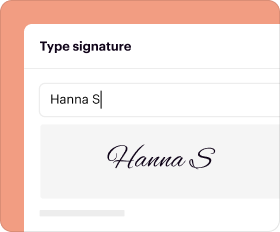
eSign
Add your legally binding signature or send the form for signing.

Share
Share the form via a link, letting anyone fill it out from any device.

Export
Download, print, email, or move the form to your cloud storage.
Why pdfFiller is the best tool for your documents and forms


End-to-end document management
From editing and signing to collaboration and tracking, pdfFiller has everything you need to get your documents done quickly and efficiently.
Accessible from anywhere
pdfFiller is fully cloud-based. This means you can edit, sign, and share documents from anywhere using your computer, smartphone, or tablet.
Secure and compliant
pdfFiller lets you securely manage documents following global laws like ESIGN, CCPA, and GDPR. It's also HIPAA and SOC 2 compliant.
What is Medical Condition Form
The Documentation Request for Medical Condition and Residual Functional Capacity is a medical form used by health care providers in Washington to assess an individual's ability to work or participate in training due to medical conditions.
pdfFiller scores top ratings on review platforms




Who needs Medical Condition Form?
Explore how professionals across industries use pdfFiller.

Medical Condition Form is needed by:
-
Health care providers evaluating a patient's work capacity.
-
Patients seeking medical documentation for support services.
-
Social service agencies assessing eligibility for assistance programs.
-
Individuals applying for TANF or other welfare programs.
-
Legal representatives advocating for clients with medical conditions.
Comprehensive Guide to Medical Condition Form
What is the Documentation Request for Medical Condition and Residual Functional Capacity?
The Documentation Request for Medical Condition and Residual Functional Capacity (DSHS 10-353) is a crucial form in Washington State used to evaluate an individual's capability to work or engage in training due to specific medical conditions. This form is completed by a qualified health care provider and plays a significant role in assessing work capabilities based on various medical conditions. By documenting the patient's situation, the form provides essential insights into their functional abilities.
The DSHS 10-353 form serves not only as an evaluation tool but also has legal implications regarding the assessment of an individual's eligibility for various government support services. It is an essential part of establishing a tailored activity plan that accommodates the client's medical needs while considering their capacity for work.
Purpose and Benefits of the Documentation Request for Medical Condition and Residual Functional Capacity
Completing the DSHS 10-353 form is important for several reasons. It effectively determines any work limitations or constraints on training participation caused by a patient's medical issues, ensuring they receive appropriate assistance. The form benefits patients by facilitating access to government support services tailored to their unique medical situations.
Additionally, health care providers play a vital role by supplying objective medical evidence. This solid evidence is crucial for clients and helps streamline the process of receiving necessary services, making the documentation request form an indispensable tool for both patients and providers.
Eligibility Criteria for Using the Documentation Request for Medical Condition and Residual Functional Capacity
The eligibility to utilize the DSHS 10-353 form revolves around specific criteria for both patients and health care providers. Patients qualify for this form based on factors such as the duration and severity of their medical conditions, as well as particular needs that must be addressed.
Health care providers who complete this documentation are required to have particular qualifications and should be familiar with the patient's history and medical background to ensure accurate representation of their condition.
How to Fill Out the Documentation Request for Medical Condition and Residual Functional Capacity Online (Step-by-Step)
Filling out the Documentation Request for Medical Condition and Residual Functional Capacity using pdfFiller entails several steps to ensure accuracy and completeness:
-
Access the form on the pdfFiller platform.
-
Begin filling out key fields, such as patient information and medical history.
-
Utilize common checkboxes to indicate specific medical conditions and limitations.
-
Gather necessary medical documentation to support the information entered.
-
Review all entries for accuracy before submission.
Following these steps will streamline the form completion process while ensuring that all relevant information is correctly captured.
Common Errors and How to Avoid Them When Filling Out the Form
While filling out the DSHS 10-353 form, several common errors can occur, which may hinder the submission process. These include incomplete fields, incorrect medical history entries, and failure to provide supporting documentation. To avoid such mistakes, consider these best practices:
-
Double-check all entered information for clarity and accuracy.
-
Ensure that all required fields are filled out completely.
-
Gather and attach necessary medical documentation before submission.
Validating this information before sending it off can significantly reduce the likelihood of delays in processing.
How to Sign or Notarize the Documentation Request for Medical Condition and Residual Functional Capacity
Understanding the signing and notarization process for the DSHS 10-353 form is essential. There are key differences between digital signatures and wet signatures, especially in terms of acceptance and processing time.
For eSigning the form on pdfFiller, you can follow these steps:
-
Navigate to the eSignature option on the platform.
-
Follow the prompts to create or upload a digital signature.
-
Apply the signature to the designated area on the form.
In cases where notarization is required, ensure that all necessary information is completed prior to seeking a notary's services.
Where and How to Submit the Documentation Request for Medical Condition and Residual Functional Capacity
Submitting the DSHS 10-353 can be done through various methods depending on user preference:
-
Online submission via the official portal.
-
Mail-in to the designated address provided on the form.
-
In-person delivery to the relevant office.
Be aware of any associated fees, as well as the methods of payment accepted. Timelines for submission processing and confirmation receipt may vary, and it is advisable to keep track of these for effective follow-up.
What Happens After You Submit the Documentation Request for Medical Condition and Residual Functional Capacity?
Upon submission of the DSHS 10-353 form, users can expect the following:
-
The review process will be initiated by DSHS or relevant authorities.
-
A timeline will be provided for receiving results, offering insights into the application's status.
-
Methods are available for tracking submission status to stay updated on any developments.
Understanding these steps will help manage expectations effectively post-submission.
Security and Compliance When Handling the Documentation Request for Medical Condition and Residual Functional Capacity
When dealing with sensitive documents like the DSHS 10-353, security and compliance are paramount. pdfFiller implements robust security protocols including 256-bit encryption and adheres to HIPAA and GDPR standards to safeguard users' data.
To further ensure the protection of sensitive medical information during the submission process, users should consider following best practices, such as utilizing secure networks and verifying the legitimacy of all correspondence related to the form.
Discover How pdfFiller Can Help You with the Documentation Request for Medical Condition and Residual Functional Capacity
pdfFiller provides robust capabilities for managing the Documentation Request for Medical Condition and Residual Functional Capacity seamlessly. Users can easily create, edit, and submit the form online while ensuring a secure and efficient experience.
Utilizing pdfFiller enhances the overall process, making it convenient for both patients and health care providers to complete the DSHS 10-353 effectively. Start your form-filling journey with pdfFiller today to enjoy the streamlined features it offers.
How to fill out the Medical Condition Form
-
1.Access pdfFiller and search for the Documentation Request for Medical Condition and Residual Functional Capacity (DSHS 10-353).
-
2.Open the form by clicking on the available template, which will display it in your online workspace.
-
3.Review the form fields including personal information, medical history, and work capabilities required for the assessment.
-
4.Collect necessary medical documentation, ensuring it reflects conditions lasting over three months.
-
5.Begin filling in each field, using clear and objective medical evidence as instructed.
-
6.Utilize the checkboxes and fillable areas; enter patient and provider details as prompted.
-
7.Once completed, review the form thoroughly to confirm all information is accurate and complete.
-
8.Finalize the form by saving your changes and downloading a copy for your records.
-
9.If necessary, submit the completed form electronically through pdfFiller or print it for postal submission.

Who can fill out the Documentation Request for Medical Condition and Residual Functional Capacity?
This form must be completed by a health care provider who can provide objective medical evidence regarding the patient's medical condition and work capabilities.
Is there a deadline for submitting the documentation request?
While specific deadlines may vary, it is generally recommended to submit the form as soon as the medical assessment is completed to avoid delays in services.
What documents are needed to support the form?
You will need objective medical evidence, including records that detail the medical condition lasting over three months, to support the claims made on the form.
How can I submit the form once it's completed?
You can submit the form either electronically through pdfFiller or print it and mail it to the designated agency or services. Be sure to check the submission guidelines.
What are some common mistakes to avoid when filling out this form?
Common mistakes include incomplete fields, missing signatures from needed parties, and not providing sufficient medical evidence. Thoroughly review before submission.
How long does it take to process the request after submission?
Processing times can vary, but applicants should expect a few weeks for review and feedback from the agency once the form has been submitted.
Can patients fill out the form themselves?
No, patients cannot fill out this form themselves. It must be completed by a qualified health care provider who understands the medical implications.
Related Forms




Get the latest insights from our blog


If you believe that this page should be taken down, please follow our DMCA take down process
here
.
This form may include fields for payment information. Data entered in these fields is not covered by PCI DSS compliance.