
Last updated on
Oct 8, 2026

Get the free Consignment Invoice
We are not affiliated with any brand or entity on this form
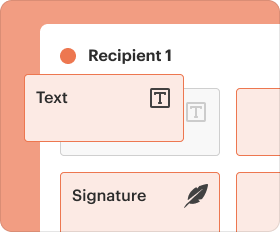
Fill out
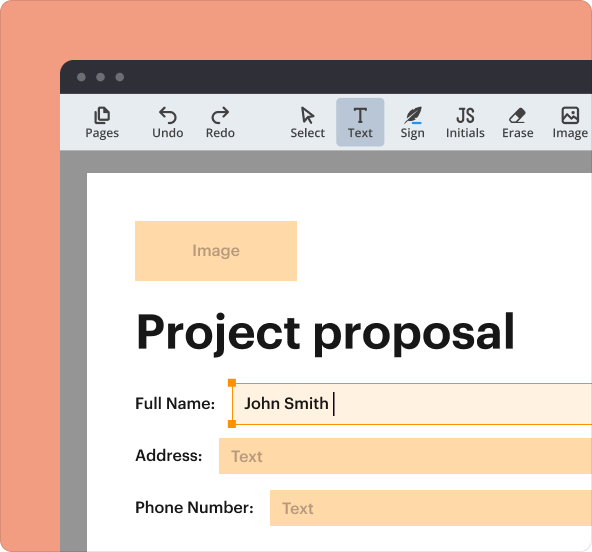
Complete the form online in a simple drag-and-drop editor.
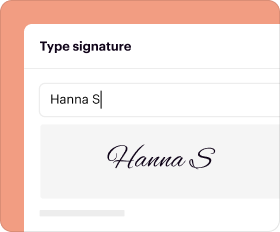
eSign
Add your legally binding signature or send the form for signing.
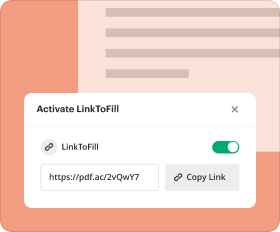
Share
Share the form via a link, letting anyone fill it out from any device.
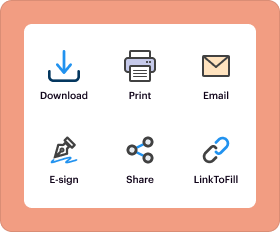
Export
Download, print, email, or move the form to your cloud storage.
Why pdfFiller is the best tool for your documents and forms


End-to-end document management
From editing and signing to collaboration and tracking, pdfFiller has everything you need to get your documents done quickly and efficiently.
Accessible from anywhere
pdfFiller is fully cloud-based. This means you can edit, sign, and share documents from anywhere using your computer, smartphone, or tablet.
Secure and compliant
pdfFiller lets you securely manage documents following global laws like ESIGN, CCPA, and GDPR. It's also HIPAA and SOC 2 compliant.
What is Consignment Invoice
The Consignment Invoice is a type of document used by businesses to bill clients for goods or services provided on consignment.
pdfFiller scores top ratings on review platforms




Who needs Consignment Invoice?
Explore how professionals across industries use pdfFiller.

Consignment Invoice is needed by:
-
Small Businesses engaging in consignment sales
-
Freelancers offering goods or services on consignment
-
Retailers managing consignment inventory
-
Accountants handling invoicing for clients
-
E-commerce stores selling consignment products
-
Wholesalers distributing consigned goods
Comprehensive Guide to Consignment Invoice
What is a Consignment Invoice?
A consignment invoice is a crucial document in business transactions, serving as a billing tool for goods or services provided on consignment. Its significance lies in the clear communication of payment details between sellers and buyers. Unlike traditional invoices, a consignment invoice emphasizes the consignor's ownership of the items until sold, reflecting its unique nature.
Key terms such as "consignment," which refers to goods entrusted to another party for sale, and "billing" pertain specifically to the financial responsibilities outlined in the invoice. By understanding these terms, businesses can better navigate their transactional relationships.
Purpose and Benefits of the Consignment Invoice
The primary purpose of a consignment invoice is to facilitate the billing process for consigned goods, ensuring that all parties are aware of their financial obligations. Using a structured format offers several advantages, including streamlined tracking of payments and simplifying record-keeping.
Scenarios where a consignment invoice proves essential include situations in retail and wholesale operations where products are sold on a trial basis, allowing businesses to manage inventory and financial transactions efficiently.
Key Features of the Consignment Invoice
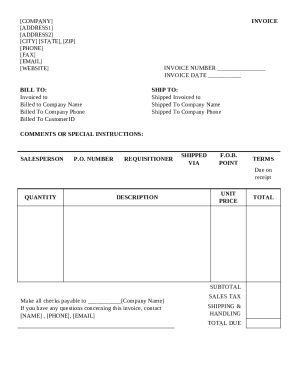
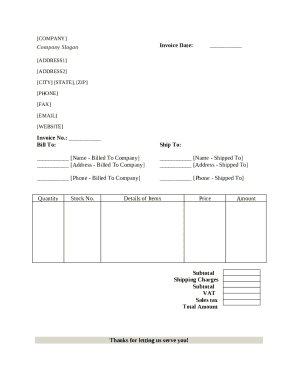
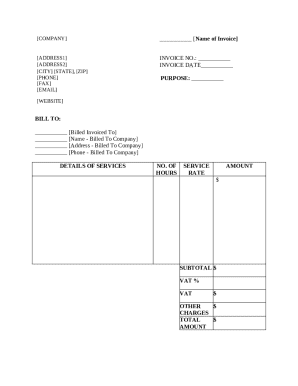
A comprehensive consignment invoice includes several key sections and fields to ensure proper documentation. Essential fields consist of sender and recipient contact information, item descriptions, quantities, rates, and amounts. Financial sections encompass the subtotal, discount, shipping fees, tax, and total due.
Clear formatting is vital for maintaining professional communication. This ensures both parties can easily understand the transaction, minimizing misunderstandings and promoting effective business relationships.
Who Needs a Consignment Invoice?
Various businesses and professionals benefit from using consignment invoices. Retailers, wholesalers, artists, and independent sales representatives frequently utilize this type of invoicing. Situations that usually require consignment invoices include selling artwork in galleries or distributing products to stores on a trial basis.
The versatility of the consignment invoice enables its use across diverse sectors, making it an invaluable tool for entities engaged in consignment sales.
How to Fill Out a Consignment Invoice Online (Step-by-Step)
Completing a consignment invoice online can be straightforward by following these step-by-step instructions:
-
Enter the sender's and recipient's contact information accurately.
-
Provide detailed descriptions of the items, including quantities and rates.
-
Calculate the subtotal and include any discounts, shipping fees, and tax.
-
Ensure that the total due reflects all calculations accurately.
-
Review all information for completeness and accuracy before submission.
To avoid errors, it is advisable to double-check filled fields, ensuring all data is correct prior to finalizing the invoice.
Common Errors and How to Avoid Them When Filling Out a Consignment Invoice
While completing a consignment invoice, users may encounter several common errors, such as incorrect quantities or missing contact information. These mistakes can lead to payment delays and customer dissatisfaction.
To avoid such issues, here are best practices for ensuring accuracy:
-
Always verify item descriptions and quantities.
-
Cross-check sender and recipient contact details.
-
Review financial calculations multiple times before submission.
The importance of reviewing all information before finalizing cannot be understated; this step is crucial for a smooth billing process.
How to Submit the Consignment Invoice
Submitting a consignment invoice can be done through various methods, including online platforms, email, or through physical mail. Each method may have different procedures to follow.
If applicable, be aware of any pricing details associated with submission, as well as any fees that might arise. Understanding confirmation processes post-submission is essential to ensure the invoice is delivered and received as intended.
Security and Compliance for Submitting the Consignment Invoice
When handling invoices, security measures and compliance with regulations are critical. Platforms like pdfFiller ensure the security of sensitive documents through robust encryption and stringent privacy policies.
Moreover, compliance with relevant regulations, such as GDPR and HIPAA, adds an additional layer of safety, protecting users' data throughout the invoicing process.
How pdfFiller Simplifies the Consignment Invoice Process
pdfFiller streamlines the consignment invoicing experience with features like fillable forms and eSigning capabilities. Users have reported improvements in efficiency, highlighting how the platform simplifies filling out and managing invoices.
By adopting pdfFiller, businesses can enhance their invoicing processes, ensuring a more effortless experience in creating and submitting consignment invoices.
Get Started with Your Consignment Invoice Today!
Explore the range of consignment invoice templates available on pdfFiller. The platform offers ease of use and quick access, allowing users to manage forms efficiently online.
With robust security measures and customer support, pdfFiller provides a reliable environment for invoicing, making it the go-to choice for businesses looking to streamline their billing processes.
How to fill out the Consignment Invoice
-
1.To access the Consignment Invoice form on pdfFiller, visit the pdfFiller website and use the search bar to locate the form by typing 'Consignment Invoice'. Once found, click on it to open the document.
-
2.In the pdfFiller interface, you can navigate through the form using your mouse or the tab key. Click on each fillable field to enter information. Begin by entering the sender's contact details in the designated fields.
-
3.Before starting, gather all necessary information such as item descriptions, quantities, rates, and any specific terms related to discounts or taxes that need to be included in the invoice.
-
4.Continue by filling in the recipient's contact information. Ensure that all details are accurate. Next, list the items by entering the description, quantity, rate, and automatically calculated amounts where applicable.
-
5.Once all fields are completed, carefully review the entered information. Check for any typos or incomplete sections to ensure accuracy and completeness.
-
6.Upon reviewing, you can finalize the document. Choose the option to save your work frequently. You can also use the 'Done' button in pdfFiller to finalize your adjustments.
-
7.After finalizing, save your file in your preferred format (PDF, Word, etc.) or submit it directly through email options provided by pdfFiller. Make sure to choose the appropriate submission method for your needs.
Who can use the Consignment Invoice?
The Consignment Invoice is designed for businesses, freelancers, and retailers involved in consignment transactions. It is particularly helpful for those who bill clients for consigned goods and services.
What information is required to fill out the Consignment Invoice?
To accurately complete the Consignment Invoice, you will need the sender's and recipient's contact details, item descriptions, quantities, rates, and information regarding discounts and taxes.
How can I submit the completed Consignment Invoice?
You can submit the completed Consignment Invoice via email directly from pdfFiller, or you can download the form to your device for printing or emailing manually.
What are common mistakes to avoid when filling out the form?
Common mistakes include missing fields, incorrect calculations for totals, and inaccuracies in contact information. Double-check each section before finalizing the invoice to avoid these issues.
Is notarization required for the Consignment Invoice?
No, notarization is not required for the Consignment Invoice. It serves as a standard business document for billing without the need for notarization.
How can I track payments received after sending this invoice?
To track payments, maintain a record of invoices sent and compare them against payment receipts. Utilizing accounting software can also help streamline payment tracking.
What is the processing time for receiving payments from clients?
Processing times can vary based on client payment methods. It is generally advisable to allow 30 days for payment before following up with clients who have not settled their invoices.
Related Forms


Get the latest insights from our blog


If you believe that this page should be taken down, please follow our DMCA take down process
here
.
This form may include fields for payment information. Data entered in these fields is not covered by PCI DSS compliance.