
Last updated on
Oct 8, 2026

Get the free Claimant’s Statement for Life Insurance or Investments
We are not affiliated with any brand or entity on this form
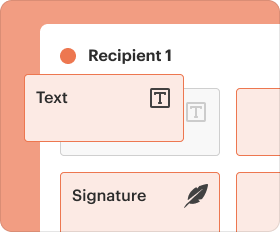
Fill out
Complete the form online in a simple drag-and-drop editor.
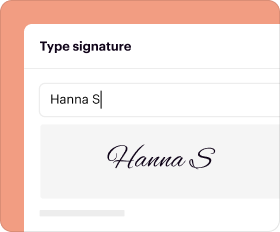
eSign
Add your legally binding signature or send the form for signing.

Share
Share the form via a link, letting anyone fill it out from any device.
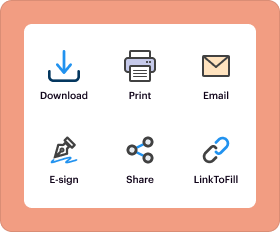
Export
Download, print, email, or move the form to your cloud storage.
Why pdfFiller is the best tool for your documents and forms


End-to-end document management
From editing and signing to collaboration and tracking, pdfFiller has everything you need to get your documents done quickly and efficiently.
Accessible from anywhere
pdfFiller is fully cloud-based. This means you can edit, sign, and share documents from anywhere using your computer, smartphone, or tablet.
Secure and compliant
pdfFiller lets you securely manage documents following global laws like ESIGN, CCPA, and GDPR. It's also HIPAA and SOC 2 compliant.
What is Claimant’s Statement
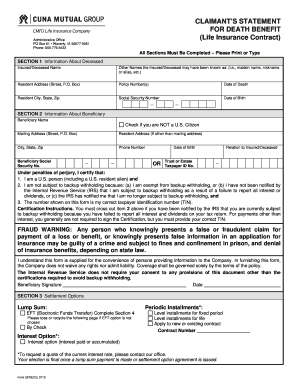
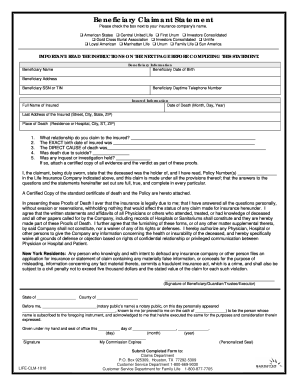
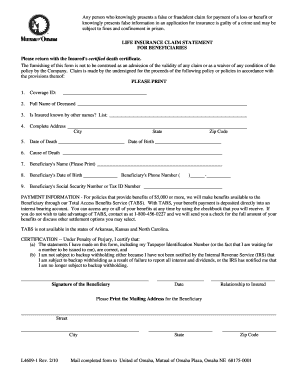
The Claimant’s Statement for Life Insurance or Investments is a legal document used by claimants to submit a claim for life insurance or investment benefits following the death of an insured person.
pdfFiller scores top ratings on review platforms




Who needs Claimant’s Statement?
Explore how professionals across industries use pdfFiller.

Claimant’s Statement is needed by:
-
Individuals filing a claim for life insurance benefits.
-
Beneficiaries seeking payouts from investment claims.
-
Executors managing the estate of the deceased.
-
Trustees handling trust funds related to life insurance.
-
Representatives assisting claimants with the process.
Comprehensive Guide to Claimant’s Statement
What is the Claimant’s Statement for Life Insurance or Investments?
The Claimant’s Statement is a vital document used to initiate claims for life insurance or investment benefits following the death of an insured individual. This form provides insurers with essential information regarding the deceased and the claimant. It ensures that beneficiaries can obtain the benefits they are entitled to, simplifying the claims process.
To complete the Claimant's Statement effectively, accurate details about the deceased, such as name, date of birth, and policy number, are required. Protecting sensitive information throughout the process is paramount to ensure compliance with privacy standards.
Why You Need the Claimant’s Statement for Life Insurance or Investments
Filing the Claimant’s Statement is crucial to ensure timely processing of life insurance claims and investment claims. If the form is not submitted or if there are delays in filing, beneficiaries risk losing their entitlement to death benefits, potentially causing financial difficulties.
-
The form guarantees that all necessary information is provided for a smooth claims experience.
-
Submitting the form promptly helps beneficiaries receive owed benefits without unnecessary delay.
Who Needs the Claimant’s Statement for Life Insurance or Investments?
Different individuals are authorized to complete the Claimant’s Statement based on their relationship to the deceased. Claimants, executors, trustees, and beneficiaries may file this form depending on specific circumstances.
-
Claimants: Individuals directly named in the insurance policy.
-
Executors: Persons authorized through a will to manage the estate of the deceased.
-
Trustees: Individuals managing a trust that holds the policy.
-
Beneficiaries: Those designated to receive benefits from the life insurance or investment.
Eligibility Criteria for the Claimant’s Statement
To qualify for filing the Claimant’s Statement, claimants must meet specific eligibility requirements. These include being an immediate family member or a legally appointed representative of the deceased. Proper documentation, such as identification and proof of relationship, may also be needed to support the claim process.
It's essential to verify your eligibility before attempting to submit this form to avoid unnecessary complications during the claims process.
How to Fill Out the Claimant’s Statement for Life Insurance or Investments: Step-by-Step
Completing the Claimant’s Statement requires attention to detail. Follow these steps to ensure the form is filled out accurately:
-
Provide information about the deceased, including full name and date of birth.
-
Fill in the policy number if available, as this helps expedite the claim.
-
Complete your personal information as the claimant.
-
Include banking details where benefits should be deposited.
-
Carefully review the form for completeness before submission.
Common Errors When Submitting the Claimant’s Statement and How to Avoid Them
When completing the Claimant’s Statement, certain mistakes can lead to delays or rejections. Awareness of these common errors is key to ensuring a smooth process.
-
Failing to sign the form can render it invalid.
-
Omitting essential information, such as the deceased's policy number.
-
Providing inaccurate banking details, which may delay benefit payment.
Review the form meticulously to avoid these pitfalls, ensuring accurate and complete submissions.
How to Submit the Claimant’s Statement for Life Insurance or Investments
Submitting the Claimant’s Statement can be done both online and by mail. Each method has its processes:
-
Online submissions typically involve uploading the completed form through the insurer's portal.
-
Mail submissions require sending the form to the appropriate insurance company address.
Be mindful of any associated fees, submission deadlines, and expected processing times to facilitate prompt claims resolution.
What Happens After You Submit the Claimant’s Statement?
Upon submission of the Claimant’s Statement, you can expect the claims review process to begin. Review times can vary based on the insurer and the complexity of the claim.
To stay informed about the status of your claim, inquire with the insurance company directly or check their online portal if available. Regular follow-ups can help expedite the process if there are delays.
Security and Compliance Considerations for the Claimant’s Statement
Protecting sensitive information during the claims process is crucial. pdfFiller employs robust security measures, such as encryption, to safeguard user data.
Compliance with privacy regulations, including HIPAA and GDPR, ensures that personal information remains secure throughout the submission process.
Utilizing pdfFiller for Your Claimant’s Statement for Life Insurance or Investments
pdfFiller offers a user-friendly platform to simplify the completion and submission of the Claimant’s Statement. Users can easily edit the form, insert signatures, and share documents securely.
Leveraging pdfFiller’s features enhances the overall experience, making the process of filing your claim straightforward and efficient.
How to fill out the Claimant’s Statement
-
1.Access and open the form by navigating to pdfFiller's website. Use the search bar to find the Claimant’s Statement for Life Insurance or Investments.
-
2.Once the form is open, familiarize yourself with its layout. Use the toolbar to navigate sections of the form, which include claimant information, details about the deceased, and banking information.
-
3.Before starting, gather necessary details such as the deceased's name, date of birth, policy number, and your bank details for claims processing. Ensure all required documents are on hand.
-
4.Begin filling in the blank fields, ensuring accuracy. Use checkboxes where applicable, and double-check your input to avoid common errors. Follow the instructions provided in the form.
-
5.After completing all required fields, review the entire form carefully. Ensure that all sections are filled out accurately, and verify the completeness of all information.
-
6.Finalize the form by adding your signature and dating where indicated. This is crucial for the validity of the claim.
-
7.Save and download the completed form using the options provided in pdfFiller, or submit it directly through the platform if submission features are available.

Who is eligible to use the Claimant's Statement?
The Claimant’s Statement can be used by individuals who have suffered the loss of a loved one and are entitled to claim life insurance or investment benefits, primarily the designated beneficiaries.
What supporting documents are required with this form?
Typically, you will need to provide a copy of the death certificate, proof of identity for the claimant, and potentially additional documents based on the specific claim requirements set by the insurance company.
How do I submit the completed Claimant’s Statement?
You can submit the completed form electronically through pdfFiller if supported, or print it and send it via postal mail or deliver it in person to the insurance company or financial institution handling the claim.
Are there deadlines I need to be aware of for submitting this form?
Yes, most insurance companies have their own deadlines for submitting claims. It is important to check the terms of the specific policy and submit your Claimant’s Statement as soon as possible to avoid any delays.
What common mistakes should I avoid when filling out this form?
Common mistakes include leaving required fields blank, entering incorrect information about the deceased, failing to sign and date the form, and not including necessary supporting documents.
How long does it take to process claims submitted with this statement?
Processing times can vary based on the insurance company, but typically expect a response within a few weeks to a couple of months once the Claimant’s Statement and supporting documents are submitted.
Can I use this form if I am not the primary beneficiary?
Generally, it is advisable for the primary beneficiary or authorized individuals like executors or representatives to submit the Claimant’s Statement. Other parties may need proper authorization to act on behalf.
Related Forms






Get the latest insights from our blog



If you believe that this page should be taken down, please follow our DMCA take down process
here
.
This form may include fields for payment information. Data entered in these fields is not covered by PCI DSS compliance.