
Last updated on
Oct 24, 2026

Get the free Emergency Lighting Inspection and Test Certificate
We are not affiliated with any brand or entity on this form
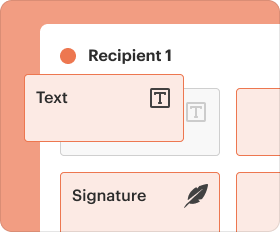
Fill out
Complete the form online in a simple drag-and-drop editor.
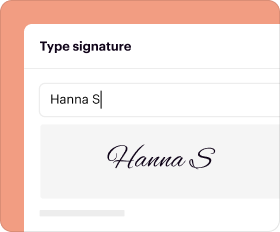
eSign
Add your legally binding signature or send the form for signing.

Share
Share the form via a link, letting anyone fill it out from any device.

Export
Download, print, email, or move the form to your cloud storage.
Why pdfFiller is the best tool for your documents and forms


End-to-end document management
From editing and signing to collaboration and tracking, pdfFiller has everything you need to get your documents done quickly and efficiently.
Accessible from anywhere
pdfFiller is fully cloud-based. This means you can edit, sign, and share documents from anywhere using your computer, smartphone, or tablet.
Secure and compliant
pdfFiller lets you securely manage documents following global laws like ESIGN, CCPA, and GDPR. It's also HIPAA and SOC 2 compliant.
What is Emergency Lighting Certificate
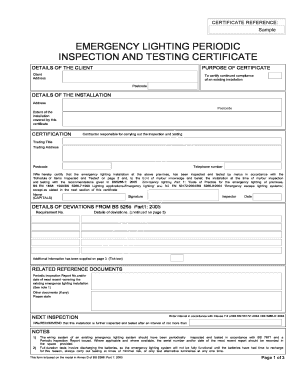
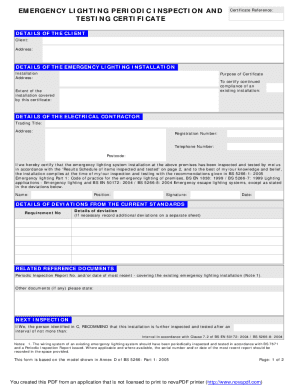
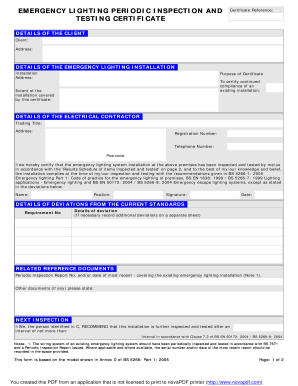
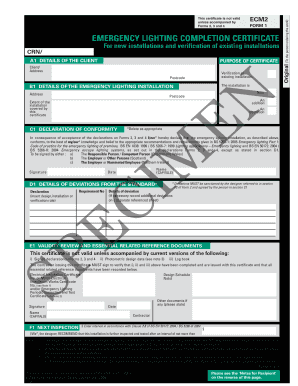
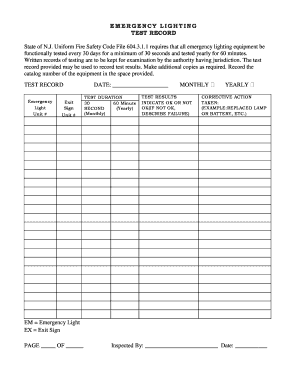
The Emergency Lighting Inspection and Test Certificate is a business form used by organizations to document the inspection and testing of emergency lighting systems for compliance with safety standards.
pdfFiller scores top ratings on review platforms




Who needs Emergency Lighting Certificate?
Explore how professionals across industries use pdfFiller.

Emergency Lighting Certificate is needed by:
-
Facility managers responsible for safety compliance
-
Maintenance personnel performing inspections
-
Business owners needing documentation for insurance purposes
-
Health and safety officers ensuring workplace safety
-
Contractors specializing in emergency lighting systems
Comprehensive Guide to Emergency Lighting Certificate
What is the Emergency Lighting Inspection and Test Certificate?
The Emergency Lighting Inspection and Test Certificate is a critical document that confirms compliance with the safety standards outlined in BS 5266-1 and other relevant regulations. This certificate is essential for maintaining safety during emergencies by documenting the inspection and testing of emergency lighting systems.
Maintaining emergency lighting systems not only ensures the safety of occupants but also aligns with legal requirements for property owners and managers. The significance of having this certificate goes beyond regulatory compliance; it directly impacts the safety and preparedness of a facility in emergency situations.
Benefits of Using the Emergency Lighting Inspection and Test Certificate
Utilizing the Emergency Lighting Inspection and Test Certificate offers numerous advantages for businesses and property owners. First, it plays a vital role in ensuring that safety measures are in place during emergencies, thus reducing risks to occupants.
This certificate serves as a documentation tool that demonstrates compliance with established safety regulations. Failing to obtain this certificate could lead to significant legal repercussions, including fines or penalties, making it a necessary aspect of property management.
Key Features of the Emergency Lighting Inspection and Test Certificate
The Emergency Lighting Inspection and Test Certificate includes several key features that enhance its usability. Among the essential attributes are fillable fields, including 'Name', 'Signature', and specific sections for different types of luminaires.
Users are provided with clear instructions on how to complete the form, ensuring that they can effectively document test results and identifying responsible persons for maintaining compliance.
Who Needs the Emergency Lighting Inspection and Test Certificate?
The primary audience for the Emergency Lighting Inspection and Test Certificate includes professionals, property managers, and business owners who are tasked with ensuring safety compliance. Competent persons play a crucial role in signing and verifying the certificate, which is essential for its legitimacy.
Moreover, specific industry sectors, such as healthcare and education, may require this certificate to meet stringent compliance regulations. Understanding the responsibilities tied to this certificate is pivotal for maintaining safety standards.
How to Fill Out the Emergency Lighting Inspection and Test Certificate Online
Completing the Emergency Lighting Inspection and Test Certificate online can be streamlined by following these steps:
-
Access the online form and familiarize yourself with the layout.
-
Gather all necessary information, including system details and responsible person names.
-
Fill in the applicable fields, ensuring all information is accurate.
-
Record test results clearly in the designated sections.
-
Review the completed form before submission for any oversights.
These steps will help you complete the form efficiently and improve compliance documentation.
Common Errors and How to Avoid Them When Using the Emergency Lighting Inspection and Test Certificate
When filling out the Emergency Lighting Inspection and Test Certificate, users often make several common errors. Frequent mistakes include missing signatures or failing to provide complete information in required fields.
To minimize errors, it's advisable to validate entries and thoroughly review completed forms before submission. Ensuring that all fields are filled out clearly and accurately is essential for maintaining compliance and functionality.
Digital Signature vs. Wet Signature Requirements for the Emergency Lighting Inspection and Test Certificate
When endorsing the Emergency Lighting Inspection and Test Certificate, understanding signature requirements is essential. Digital signatures are increasingly accepted, provided they meet specific legal implications and standards.
In contrast, wet signatures may still be necessary in certain jurisdictions. Using platforms like pdfFiller can facilitate secure eSigning, ensuring that all signatures are legally binding while maintaining compliance with safety regulations.
Submitting the Emergency Lighting Inspection and Test Certificate
After completing the Emergency Lighting Inspection and Test Certificate, users must be aware of different submission methods available. Options typically include electronic submission via email or physical submission by mail.
It's vital to follow any specific requirements or guidelines outlined for the submission process, which may vary by region or industry. Understanding the expected timelines for feedback after submission is also crucial for effective compliance tracking.
Enhancing Your Workflow with pdfFiller for the Emergency Lighting Inspection and Test Certificate
pdfFiller simplifies the fill-out and management process for the Emergency Lighting Inspection and Test Certificate. The platform offers key features such as editing, creating fillable forms, and secure eSigning to streamline the completion process.
Additionally, pdfFiller takes user security seriously, implementing measures like 256-bit encryption to protect sensitive documents. Utilizing this platform can significantly enhance efficiency in document management and compliance tracking.
Next Steps After Submitting the Emergency Lighting Inspection and Test Certificate
Once you have submitted the Emergency Lighting Inspection and Test Certificate, it's important to know what to expect. Users should keep track of the submission status to confirm successful processing.
In the event of needing corrections or amendments, understanding the processes involved will ensure compliance remains intact. Ongoing maintenance and regular inspections of emergency lighting systems are crucial for continued legal compliance and occupant safety.
How to fill out the Emergency Lighting Certificate
-
1.Access the Emergency Lighting Inspection and Test Certificate on pdfFiller by entering the platform and searching for the form in the document library.
-
2.Open the form to view the fillable fields. Familiarize yourself with the layout, including sections for system details, responsible persons, and test results.
-
3.Before starting, gather all necessary information such as the location of the emergency lighting systems, names of responsible individuals, and results of previous inspections.
-
4.Begin filling in the form by entering the name of the facility in the designated field. Proceed to input details about the emergency lighting systems as required.
-
5.Next, complete the checkbox options for different types of luminaires used in the facility. Make sure to check for compliance with BS 5266-1 and BS EN 50172/BS 5266-8 standards.
-
6.After filling out the necessary data, review all entries for accuracy, ensuring that each field reflects the correct information.
-
7.Once satisfied with the details, add signatures from the competent person and any other required stakeholders in the respective fields.
-
8.Final checks can also include verifying the completion of all mandatory fields indicated by the form interface.
-
9.To save your work, click on the save option. You may also download the form or submit it directly through pdfFiller, depending on the requirements.
-
10.Follow any additional prompts to ensure that your submission is complete and properly documented.

Who is eligible to fill out the Emergency Lighting Inspection and Test Certificate?
Any competent person or certified maintenance personnel responsible for emergency lighting systems can fill out this certificate. It ensures that the systems are inspected regularly and comply with current safety standards.
When should the Emergency Lighting Inspection and Test Certificate be completed?
It's advisable to complete this certificate during regular inspections and tests of emergency lighting systems, following any new installations or after significant maintenance work.
How should I submit the completed Emergency Lighting Inspection and Test Certificate?
Completed certificates can be submitted in various ways, including electronic submission through pdfFiller, saving to your device, or printing for manual filing or sharing with relevant authorities.
What supporting documents might be required with the Emergency Lighting Inspection and Test Certificate?
Typically, supporting documents may include previous inspection reports, maintenance records, and any relevant compliance documentation to demonstrate adherence to safety standards.
What are common mistakes to avoid when filling out the form?
Common mistakes include leaving fields blank, providing incorrect system details, failing to gather necessary signatures, and not reviewing for compliance with safety standards.
What is the processing time for the Emergency Lighting Inspection and Test Certificate?
Processing time may vary based on your organization's internal procedures, but typically, you should receive confirmation of compliance and any required feedback within a week of submission.
Can the Emergency Lighting Inspection and Test Certificate be notarized?
No, this certificate does not require notarization. It needs to be completed and signed by a competent person within your organization.
Related Forms



Get the latest insights from our blog


If you believe that this page should be taken down, please follow our DMCA take down process
here
.
This form may include fields for payment information. Data entered in these fields is not covered by PCI DSS compliance.