
Last updated on
Oct 24, 2026

Get the free Seller\'s Disclosure Statement for Residential Property
We are not affiliated with any brand or entity on this form
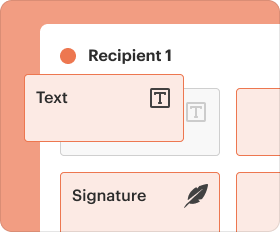
Fill out
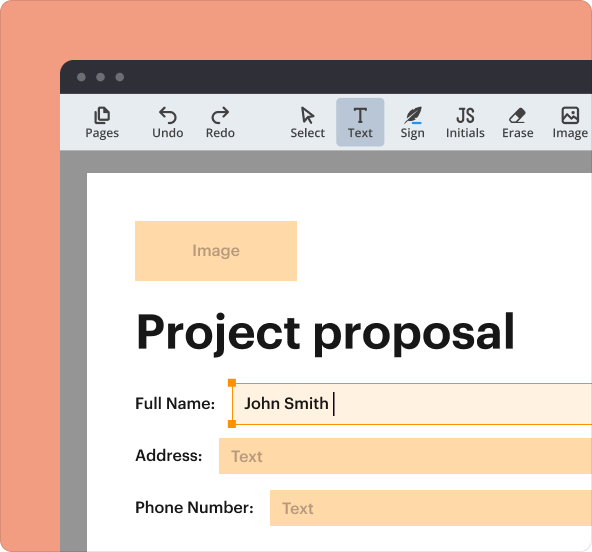
Complete the form online in a simple drag-and-drop editor.
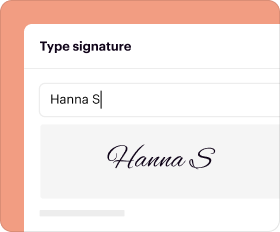
eSign
Add your legally binding signature or send the form for signing.
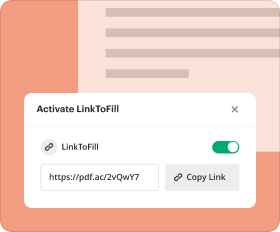
Share
Share the form via a link, letting anyone fill it out from any device.
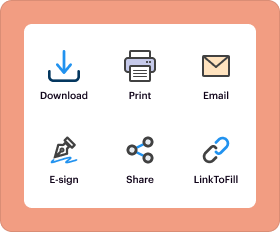
Export
Download, print, email, or move the form to your cloud storage.
Why pdfFiller is the best tool for your documents and forms


End-to-end document management
From editing and signing to collaboration and tracking, pdfFiller has everything you need to get your documents done quickly and efficiently.
Accessible from anywhere
pdfFiller is fully cloud-based. This means you can edit, sign, and share documents from anywhere using your computer, smartphone, or tablet.
Secure and compliant
pdfFiller lets you securely manage documents following global laws like ESIGN, CCPA, and GDPR. It's also HIPAA and SOC 2 compliant.
What is Missouri Seller Disclosure
The Seller's Disclosure Statement for Residential Property is a legal document used by sellers to disclose the condition, history, and known issues of a residential property in Missouri.
pdfFiller scores top ratings on review platforms




Who needs Missouri Seller Disclosure?
Explore how professionals across industries use pdfFiller.

Missouri Seller Disclosure is needed by:
-
Home sellers in Missouri
-
Real estate agents facilitating the sale
-
Buyers interested in evaluating property condition
-
Attorneys involved in real estate transactions
-
Investors purchasing residential properties
-
Property inspectors assessing property condition
Comprehensive Guide to Missouri Seller Disclosure
What is the Seller's Disclosure Statement for Residential Property?
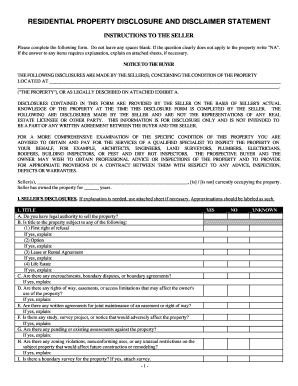
The Seller's Disclosure Statement is a critical legal document in Missouri that ensures transparency in real estate transactions. This form requires sellers to disclose essential information about the condition of their residential property, covering various aspects such as structural integrity, plumbing, and electrical systems. By providing this document, sellers fulfill their legal obligations, protecting both themselves and potential buyers during the property sale process.
The seller disclosure statement must detail any known issues and current conditions of the property, allowing buyers to make informed decisions. Compliance with this requirement is particularly important in Missouri to prevent future disputes arising from undisclosed issues.
Purpose and Benefits of the Seller's Disclosure Statement
The Seller's Disclosure Statement serves multiple purposes, fundamentally aiming to facilitate transparency between sellers and buyers. For sellers, it mitigates potential liabilities by disclosing all known property conditions, thereby offering legal protection during the transaction process.
-
Enhances trust between parties by promoting honesty in real estate dealings.
-
Assists buyers in understanding the property's condition, which directly influences their purchasing decisions.
-
Can expedite the sales process by preemptively addressing buyer concerns related to property conditions.
Key Features of the Seller's Disclosure Statement for Residential Property
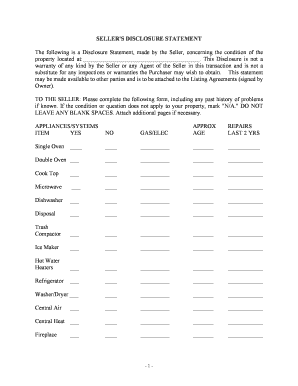
This form encompasses several key features aimed at simplifying the disclosure process for sellers. It includes multiple fillable fields and checkboxes to ensure comprehensive completion of all required sections.
-
Specific sections related to HVAC systems, plumbing, roofing, and structural issues that must be filled out accurately.
-
Guided instructions, such as "Please fully complete this Disclosure Statement," ensuring sellers understand the importance of thorough disclosure.
Who Needs the Seller’s Disclosure Statement?
The target audience for the Seller's Disclosure Statement consists chiefly of residential property sellers in Missouri. Under Missouri law, this document is necessary during real estate transactions to inform prospective buyers about the property’s condition.
It is particularly relevant in circumstances where properties are being sold as-is or if there are known defects that require disclosure to protect the seller from future liabilities.
How to Fill Out the Seller’s Disclosure Statement for Residential Property Online
Completing the Seller's Disclosure Statement online is a straightforward process when utilizing pdfFiller. Follow these steps to ensure accuracy and efficiency:
-
Access the Seller's Disclosure Statement template on pdfFiller's platform.
-
Carefully fill each section according to the property's current condition.
-
Verify all information provided to avoid errors or omissions.
-
Sign the document electronically and submit it through the designated channels.
Ensure to double-check the details entered, as inaccuracies could complicate the transaction.
Common Errors to Avoid When Completing the Seller's Disclosure Statement
Sellers frequently make several mistakes that can lead to complications. To facilitate a smooth transaction, consider the following common errors to avoid:
-
Failing to disclose known issues, which could lead to legal ramifications.
-
Inaccurately completing sections, particularly those related to crucial systems like plumbing and roofing.
-
Neglecting to review the form for completeness before submitting.
Utilizing a review and validation checklist before submission can aid in ensuring all information is accurate and complete.
Signing and Submitting the Seller's Disclosure Statement for Residential Property
The signing process for the Seller's Disclosure Statement can accommodate both traditional and digital signatures, providing flexibility for sellers. When preparing to submit the completed document, here are the methods available:
-
Submit electronically via pdfFiller for instant processing.
-
Print and sign before mailing a physical copy if preferred.
We've implemented options that cater to various preferences to streamline the submission process.
What Happens After You Submit the Seller's Disclosure Statement?
Once the Seller's Disclosure Statement is submitted, the next steps involve buyers reviewing the disclosed information. This review process is crucial as it impacts their decision-making regarding the purchase.
In some cases, buyers may follow up with sellers for further clarification on specific issues or concerns arising from the disclosure.
Security and Compliance for the Seller's Disclosure Statement
Users can rest assured that security measures are in place when handling sensitive information within the Seller's Disclosure Statement. pdfFiller adheres to data privacy standards, applying 256-bit encryption and maintaining compliance with legal standards such as HIPAA and GDPR.
Ensuring the confidentiality and security of documents is paramount, so employing compliant practices is essential when managing sensitive data in real estate transactions.
Get Started with pdfFiller for Your Seller's Disclosure Statement
pdfFiller provides a seamless experience for filling out the Seller's Disclosure Statement online. The platform offers essential features like eSigning, secure storage, and document sharing, simplifying the entire process for users.
Embrace the advantages of using pdfFiller for efficient document management in your real estate transactions.
How to fill out the Missouri Seller Disclosure
-
1.To access the Seller's Disclosure Statement for Residential Property on pdfFiller, visit the website and use the search function to locate the form by name.
-
2.Once you have opened the form, familiarize yourself with the layout, which includes multiple sections and fields that need to be completed.
-
3.Before starting, gather all necessary information about the property's condition, history, and any known issues, including details about the HVAC systems, plumbing, and electrical systems.
-
4.Begin filling in the form by entering the property details in the designated fields. Use the checkboxes to indicate the condition of various systems.
-
5.If additional explanations are needed, make use of the comment sections provided to elaborate on any issues. Ensure you follow the instructions outlined in the document.
-
6.Review each section thoroughly to verify that all fields are complete and accurate before moving on to the signing portion of the document.
-
7.Once completed, use pdfFiller's tools to save your progress. You can download the finalized document or submit it according to the requirements involved in your transaction.
-
8.If needed, take advantage of pdfFiller's options to electronically sign the document to make the process seamless.
Who is required to complete the Seller's Disclosure Statement?
The Seller's Disclosure Statement must be completed by sellers of residential properties in Missouri. It is designed to ensure that all known issues and conditions of the property are disclosed to potential buyers.
What information is typically required to fill out this form?
Buyers should gather information about the property's HVAC systems, plumbing, electrical systems, roof condition, and any known issues. Completing these sections accurately is crucial for the form's validity.
Are there any deadlines for submitting the Seller's Disclosure Statement?
While there are no specific deadlines for submitting the form on its own, it is advisable to complete and provide it to interested buyers as soon as possible during the sales process to facilitate transparency.
Is notarization required for the Seller's Disclosure Statement?
No, notarization is not required for the Seller's Disclosure Statement for Residential Property in Missouri. However, the seller must sign it for it to be valid.
How should the completed form be submitted to buyers?
After completing the Seller's Disclosure Statement, you can either hand it over directly to interested buyers or include it in any digital documentation during the offer process. It's important to ensure that buyers have the information prior to closing.
What common mistakes should be avoided when completing this form?
Common mistakes include leaving fields unfilled, providing inaccurate information about property conditions, and not elaborating on potential issues in the comment sections. Carefully reviewing the form can help prevent these errors.
What should I do if I need assistance with this form?
If you need help, consider reaching out to a real estate agent or attorney familiar with the Seller's Disclosure Statement. They can guide you through the completion process and ensure compliance with local regulations.
Related Forms



Get the latest insights from our blog



If you believe that this page should be taken down, please follow our DMCA take down process
here
.
This form may include fields for payment information. Data entered in these fields is not covered by PCI DSS compliance.