
Last updated on
Nov 9, 2026
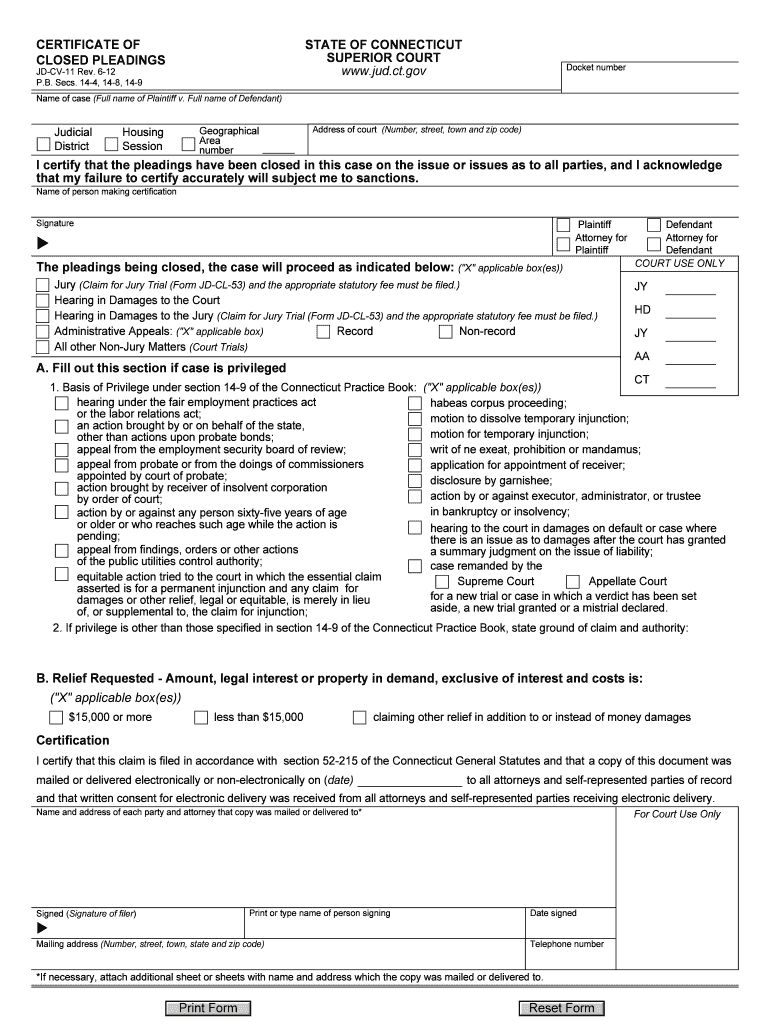
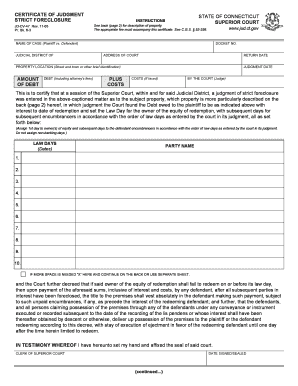
CT JD-CV-11 2012 free printable template
pdfFiller is not affiliated with any government organization
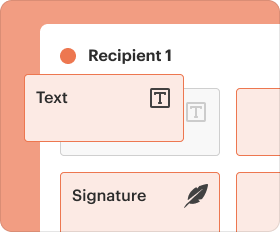
Fill out
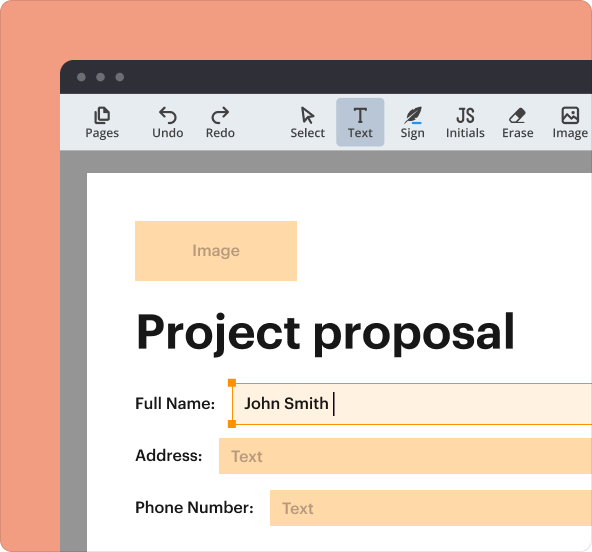
Complete the form online in a simple drag-and-drop editor.
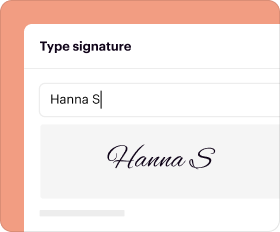
eSign
Add your legally binding signature or send the form for signing.
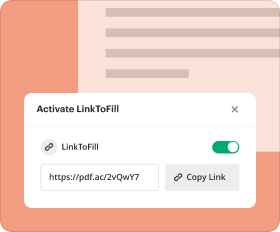
Share
Share the form via a link, letting anyone fill it out from any device.

Export
Download, print, email, or move the form to your cloud storage.
Why pdfFiller is the best tool for your documents and forms


End-to-end document management
From editing and signing to collaboration and tracking, pdfFiller has everything you need to get your documents done quickly and efficiently.
Accessible from anywhere
pdfFiller is fully cloud-based. This means you can edit, sign, and share documents from anywhere using your computer, smartphone, or tablet.
Secure and compliant
pdfFiller lets you securely manage documents following global laws like ESIGN, CCPA, and GDPR. It's also HIPAA and SOC 2 compliant.
What is CT JD-CV-11
The Connecticut Closed Pleadings Certificate is a legal document used by litigants in Connecticut to certify that the pleadings in a case have been closed.
pdfFiller scores top ratings on review platforms




Who needs CT JD-CV-11?
Explore how professionals across industries use pdfFiller.

CT JD-CV-11 is needed by:
-
Plaintiffs needing to complete the certification process in court
-
Defense attorneys representing clients in legal proceedings
-
Self-represented parties involved in court cases
-
Judges requiring confirmation of closed pleadings
-
Legal professionals managing case documentation
Comprehensive Guide to CT JD-CV-11
What is the Connecticut Closed Pleadings Certificate
The Connecticut Closed Pleadings Certificate serves a crucial role in the legal process, specifically within the Superior Court of Connecticut. This document certifies that the pleadings in a particular case have been closed, ensuring all parties are informed of the case's status. The certificate must be filed as per the requirements outlined in section 52-215 of the Connecticut General Statutes.
To submit this document, specific filing requirements must be met. The Connecticut Closed Pleadings Certificate includes essential sections such as the docket number and name of the case, alongside the necessary signatures from the relevant attorneys.
Purpose and Benefits of the Connecticut Closed Pleadings Certificate
This certificate is pivotal in legal proceedings as it helps clarify when a case is officially closed. Attorneys typically need the certificate to proceed to the next stages of litigation or settlement. The benefits of filing this certificate are multifaceted; it reduces ambiguity about the case status and reinforces the procedural integrity for clients and legal practitioners alike.
Failure to file the Connecticut Closed Pleadings Certificate can lead to complications, including potential delays in the legal process or issues with the acceptance of future filings. Therefore, understanding when and why to use this document is paramount for those involved in Connecticut legal matters.
Key Features of the Connecticut Closed Pleadings Certificate
The Connecticut Closed Pleadings Certificate comprises several critical components necessary for its valid completion. Key sections include:
-
Docket number
-
Name of the case
-
Judicial district
-
Signature lines for attorneys and the person making certification
-
Options for different types of hearings
-
Relief requested, including choices for jury or non-jury trials
The detailed nature of these sections ensures that all relevant information is captured and accurately certified, maintaining compliance with legal standards.
Who Needs the Connecticut Closed Pleadings Certificate?
The parties who need to utilize the Connecticut Closed Pleadings Certificate include attorneys and self-represented individuals involved in a legal case. The person making the certification is specifically responsible for ensuring the document is filled out correctly.
For example, in contentious cases where multiple parties are involved, each attorney representing a party may need to certify closed pleadings. Understanding the roles and responsibilities related to this certificate is essential for effective legal proceedings.
How to Fill Out the Connecticut Closed Pleadings Certificate Online (Step-by-Step)
Filling out the Connecticut Closed Pleadings Certificate online can be streamlined by following these steps:
-
Access the online form via a legal document management platform.
-
Input the docket number and case name in the appropriate fields.
-
Select the judicial district from the dropdown menu.
-
Fill out the certification details, ensuring accuracy.
-
Review all fillable fields for completeness.
-
Sign the document electronically where required.
-
Submit the form once all information is verified.
Pay particular attention to the case name and judicial district to avoid common mistakes that could delay processing.
Submission Methods for the Connecticut Closed Pleadings Certificate
Submitting the Connecticut Closed Pleadings Certificate can occur through various acceptable methods. These methods include:
-
Online submission via the court’s electronic filing system
-
Mailing the completed certificate to the appropriate court
-
In-person filing at the Superior Court clerk's office
Be aware that there may be filing fees and that deadlines for submission can vary based on the case type, so it is essential to check the specific requirements related to your case.
What Happens After You Submit the Connecticut Closed Pleadings Certificate
Upon submission of the Connecticut Closed Pleadings Certificate, several outcomes may occur. You can expect to receive confirmation of your filing, which will allow for tracking the status of the submitted document. It is important to keep a record of this confirmation for your files.
If the filing is incomplete or contains errors, you may face potential delays or complications, reinforcing the need for meticulous attention to detail during the submission process.
Security and Compliance for the Connecticut Closed Pleadings Certificate
The security of legal documents is a top priority when handling sensitive information such as the Connecticut Closed Pleadings Certificate. pdfFiller implements comprehensive security measures, including:
-
256-bit encryption for data protection
-
HIPAA and GDPR compliance standards
-
Regular audits to ensure protocol adherence
These measures are designed to protect sensitive legal information throughout the document management process, providing users with peace of mind.
How pdfFiller Helps You with the Connecticut Closed Pleadings Certificate
pdfFiller simplifies the process of completing and managing the Connecticut Closed Pleadings Certificate. With features like:
-
Editing capabilities for text and images
-
eSigning functionality for secure signing
-
Access from any device, ensuring flexibility
The platform is user-friendly and provides ample support resources for those needing assistance in navigating the form-filling process.
Take the Next Step to Complete Your Connecticut Closed Pleadings Certificate
To start your legal documentation process, visit pdfFiller to access the Connecticut Closed Pleadings Certificate. The platform offers an efficient and secure means of managing your legal documents. You can feel confident in the support available while ensuring your information remains protected during the form-filling journey.
How to fill out the CT JD-CV-11
-
1.Access the Connecticut Closed Pleadings Certificate form on pdfFiller by entering the URL or searching for the form name in the platform's search bar.
-
2.Once the form opens, navigate through the document using the pdfFiller interface. Use the scroll bar or page navigation to find each field that requires your input.
-
3.Before starting, gather all necessary information such as the docket number, case name, judicial district, court address, hearing type, and relief requested.
-
4.Begin filling out the form by clicking on each fillable field. Type in the relevant information, ensuring all required fields are completed accurately.
-
5.Use the checkboxes for types of hearings and relief requested by clicking the appropriate options. Double-check to ensure all selections are made correctly.
-
6.After completing the form, review it thoroughly. Ensure that all details are accurate and that all required signatures are included.
-
7.Once you are satisfied with the form, save your work by selecting the save option. Choose the desired format for export.
-
8.You can also download the completed form directly to your device or submit it electronically through pdfFiller, following the platform's submission guidelines.
Who needs to fill out the Connecticut Closed Pleadings Certificate?
The form is necessary for plaintiffs, defense attorneys, and self-represented parties involved in legal proceedings in Connecticut to certify the closure of pleadings in a case.
What information is required to complete the form?
You will need details like the docket number, case name, judicial district, court address, type of hearing (jury or non-jury), and relief requested before filling out the Connecticut Closed Pleadings Certificate.
Where do I submit the completed Connecticut Closed Pleadings Certificate?
The completed form should be filed with the Superior Court of Connecticut. Ensure copies are mailed or delivered to all attorneys and self-represented parties of record as required.
Is notarization required for the Connecticut Closed Pleadings Certificate?
No, notarization is not required for the Connecticut Closed Pleadings Certificate. However, signatures from the person making the certification and the attorneys for both parties are mandatory.
What are common mistakes to avoid when completing this form?
Ensure all fields are filled accurately, double-check signatures, and confirm that you have selected the appropriate options for hearing types. Failing to do so can result in delays or rejections.
What is the processing time for the Connecticut Closed Pleadings Certificate?
The processing time can vary based on the court's workload. However, filing the form promptly after pleadings are closed is advisable to avoid any delays in your case.
Are there any fees associated with submitting the Connecticut Closed Pleadings Certificate?
Typically, a filing fee may be required when submitting documents to the Superior Court. It is best to check with the court for the exact fees applicable to your specific case.
CT JD-CV-11 Form Versions
Related Forms




Get the latest insights from our blog


If you believe that this page should be taken down, please follow our DMCA take down process
here
.
This form may include fields for payment information. Data entered in these fields is not covered by PCI DSS compliance.