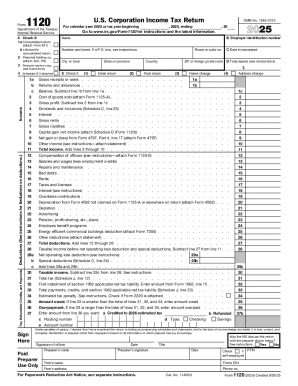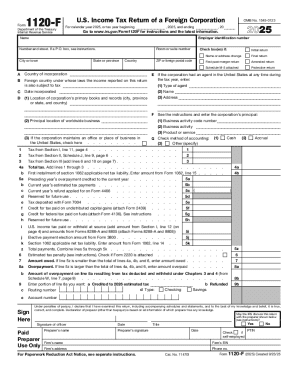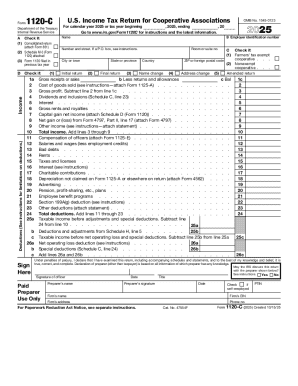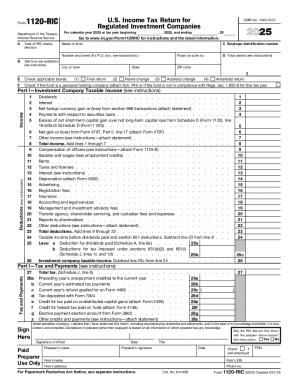
Form preview

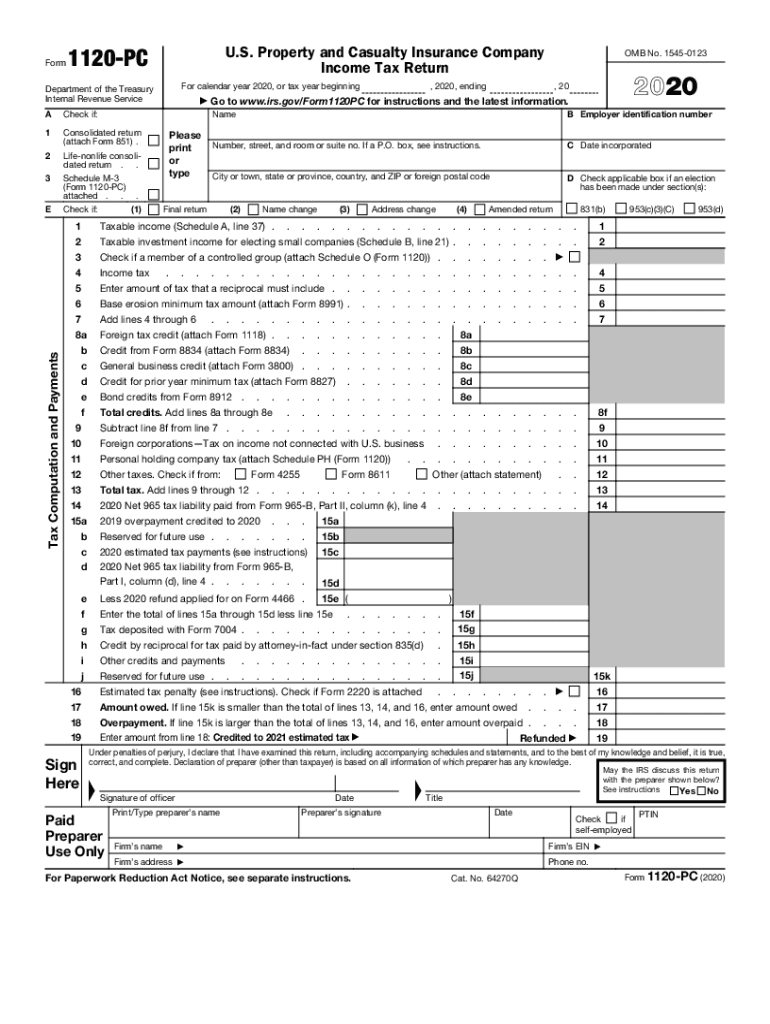
IRS 1120-PC 2020 free printable template
Get Form
pdfFiller is not affiliated with IRS
Screenshot
Screenshot
Screenshot

Get, Create, Make, and Sign IRS 1120-PC
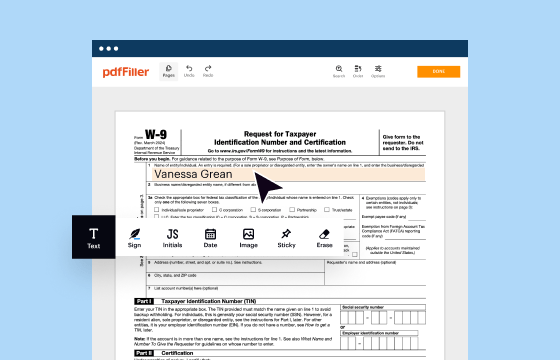
Edit your IRS 1120-PC online
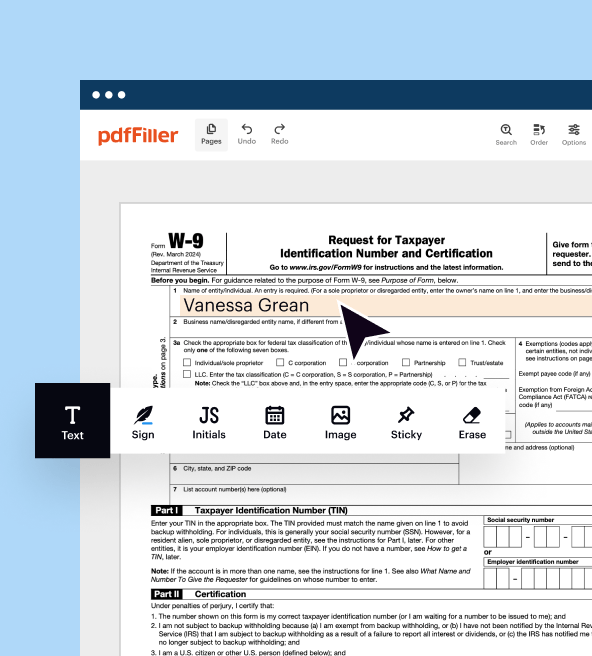
Type text, complete fillable fields, insert images, highlight or blackout data for discretion, add comments, and more.
Screenshot
Add your legally-binding signature
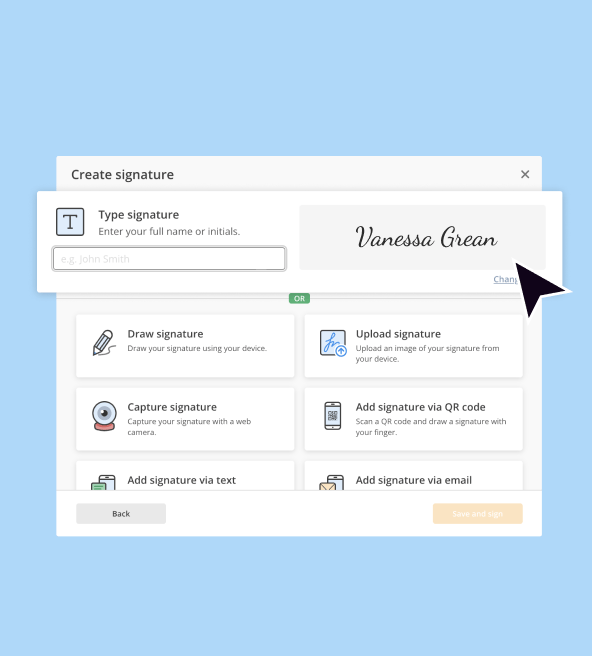
Draw or type your signature, upload a signature image, or capture it with your digital camera.
Screenshot
Share your form instantly
Email, fax, or share your IRS 1120-PC via URL. You can also download, print, or export forms to your preferred cloud storage service.
Screenshot

Instructions and Help about IRS 1120-PC

How to edit IRS 1120-PC

To edit IRS 1120-PC, use a reliable PDF editing platform like pdfFiller. Upload the form to the platform, make the necessary changes, and save the edited document. Ensure that all entries comply with IRS regulations to avoid errors during submission.

How to fill out IRS 1120-PC

Filling out IRS 1120-PC involves several key steps. First, gather all necessary documents, including financial statements and any prior tax filings related to this form. Next, follow the instructions provided on the form, ensuring that all fields are completed accurately.
Be mindful of the specific income sources and deductions applicable to your entity. It is advisable to review each section methodically to minimize errors.

About IRS 1120-PC 2020 previous version

What is IRS 1120-PC?

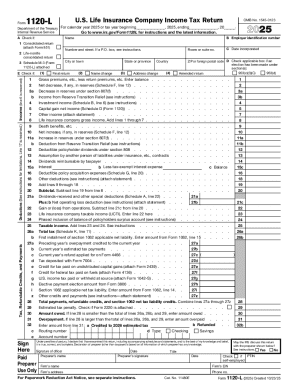
IRS 1120-PC is a tax form used by certain insurance companies to report income, deductions, and tax liabilities. Specifically designed for property and casualty insurance providers, this form helps calculate the taxes owed by these entities to the Internal Revenue Service (IRS).

Who needs the form?

Insurance companies classified as property and casualty insurers need to file IRS 1120-PC annually. This includes entities that derive their primary income from insuring risks associated with property damage and liability claims.

Components of the form

IRS 1120-PC comprises various components that capture essential financial data. Key sections include income reporting, deductions for business expenses, details on policyholder dividends, and a calculation of taxable income. Completing each section accurately is crucial for determining the correct tax liability.

What information do you need when you file the form?

When filing IRS 1120-PC, be prepared to provide comprehensive financial data, including total income from premiums, expenses related to claims and operations, investment income, and any applicable tax credits. Having your accounting records organized will facilitate accurate reporting.

Where do I send the form?

The submission address for IRS 1120-PC depends on the location of the filing entity and whether the return is filed electronically or by mail. Refer to the IRS instructions on the form for the specific mailing address corresponding to your submission method.

What is the purpose of this form?

The main purpose of IRS 1120-PC is to provide a comprehensive overview of an insurance company's financial activities during the tax year. By detailing income, expenses, and applicable credits, the form ensures accurate tax calculations and compliance with federal tax laws.

When am I exempt from filling out this form?

Exemptions from filing IRS 1120-PC typically apply to companies that do not meet the definition of a property and casualty insurance provider. Entities that operate exclusively in other areas, such as life insurance, may not be required to submit this form. Additionally, certain small insurance companies may qualify for simplified reporting options based on their income levels.

What are the penalties for not issuing the form?

Failing to file IRS 1120-PC can result in significant penalties, including fines imposed by the IRS. Additionally, late filings may incur interest charges on any unpaid taxes. It is crucial for insurance companies to adhere to filing deadlines to avoid these consequences.

Is the form accompanied by other forms?

IRS 1120-PC may need to be filed alongside other forms or schedules, particularly if the insurance company has specific deductions, credits, or additional business activities. Review IRS guidelines to determine if additional documentation is necessary for your specific situation.

FAQ about IRS 1120-PC

If you discover an error after filing your IRS 1120-PC, you can submit an amended return. This involves filling out a new form indicating the corrections and stating the reason for the amendment. Ensure that you keep a copy for your records, as it will help if you receive any correspondence from the IRS regarding the changes.

You can verify the status of your IRS 1120-PC by using the IRS e-file tracking system, which allows you to see whether your return has been accepted or if there are any issues. Keep an eye on common rejection codes, as this can help you address any discrepancies promptly.

Common errors in filing the IRS 1120-PC include incorrect calculations, failing to sign the form, or providing outdated information. To avoid these pitfalls, always double-check your figures, ensure that your contact information is current, and review your form against IRS guidelines before submitting.

When filing the IRS 1120-PC on behalf of another individual or entity, ensure that you have proper authorization, such as a Power of Attorney (POA). This documentation should be included with your submission to validate your right to file on their behalf and to protect their interests during the process.

When e-filing your IRS 1120-PC, prioritize using secure internet connections and reputable software that complies with IRS security standards. Additionally, you should understand the privacy measures and retention policies regarding any sensitive information included in your submission to safeguard against data breaches.


See what our users say
Trust Seal
Trust Seal
Trust Seal
Trust Seal
Trust Seal
Trust Seal
Trust Seal
Trust Seal
Rate free form
4.1
satisfied
72 votes

How to Fill Out Small Business Tax Forms Online with pdfFiller

Struggling with your Schedule C or not sure how to file business taxes as a sole proprietor, LLC, or self-employed professional? This step-by-step pdfFiller tutorial walks you through completing IRS Schedule C quickly and accurately — no printing, no scanning, no stress. Whether you're handling small business tax deductions, tracking self-employed taxes, or preparing your full business tax return, pdfFiller makes it simple right in your browser.

If you believe that this page should be taken down, please follow our DMCA take down process here .
This form may include fields for payment information. Data entered in these fields is not covered by PCI DSS compliance.