
Last updated on
Nov 7, 2026
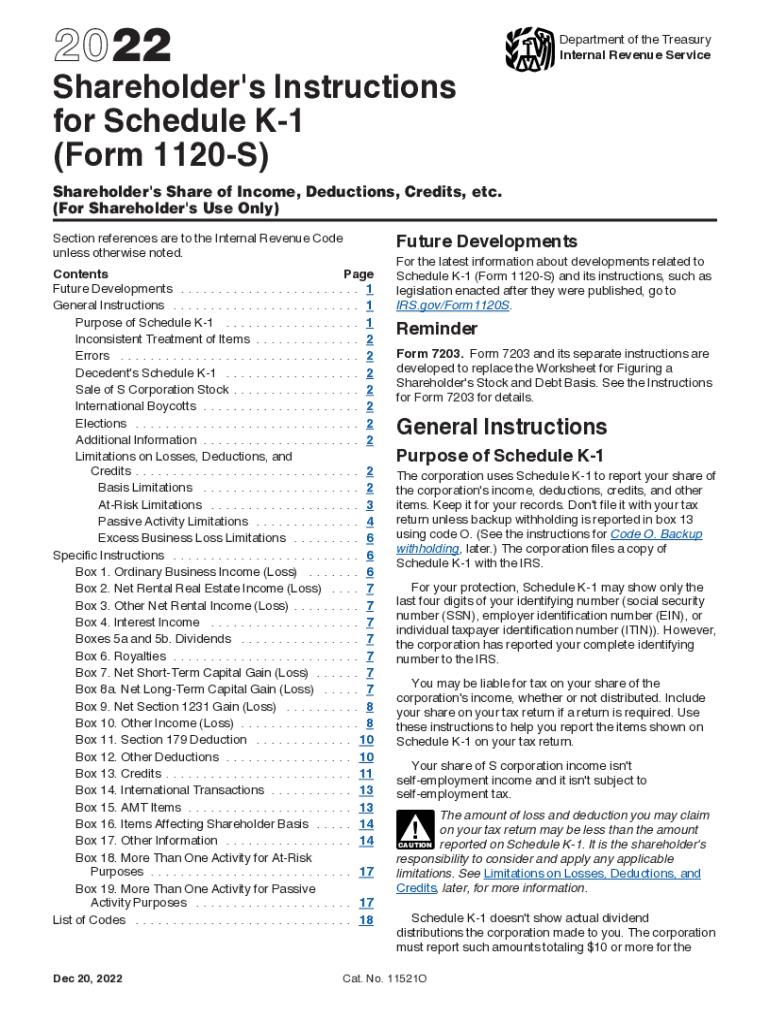
IRS Instruction 1120S - Schedule K-1 2022 free printable template
pdfFiller is not affiliated with IRS

Fill out
Complete the form online in a simple drag-and-drop editor.

eSign
Add your legally binding signature or send the form for signing.

Share
Share the form via a link, letting anyone fill it out from any device.

Export
Download, print, email, or move the form to your cloud storage.
Why pdfFiller is the best tool for your documents and forms


End-to-end document management
From editing and signing to collaboration and tracking, pdfFiller has everything you need to get your documents done quickly and efficiently.
Accessible from anywhere
pdfFiller is fully cloud-based. This means you can edit, sign, and share documents from anywhere using your computer, smartphone, or tablet.
Secure and compliant
pdfFiller lets you securely manage documents following global laws like ESIGN, CCPA, and GDPR. It's also HIPAA and SOC 2 compliant.
What is IRS Instruction 1120S - Schedule K-1
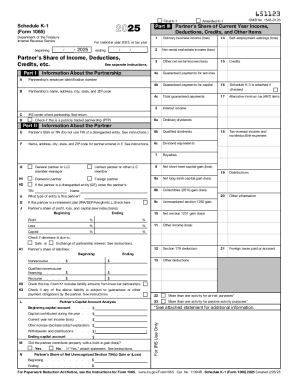
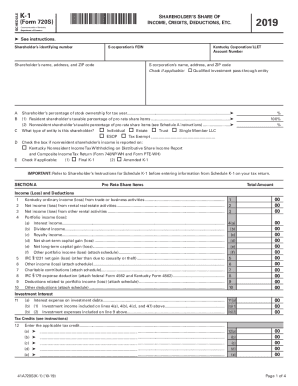
The Shareholder's Instructions for Schedule K-1 (Form 1120-S) is a tax document used by shareholders of S corporations to report their share of the corporation's income, deductions, credits, and other items.
pdfFiller scores top ratings on review platforms




Who needs IRS Instruction 1120S - Schedule K-1?
Explore how professionals across industries use pdfFiller.

IRS Instruction 1120S - Schedule K-1 is needed by:
-
Shareholders of S corporations
-
Tax preparers for S corporations
-
Accountants managing S corporation taxes
-
Individuals filing taxes as shareholders
-
Financial advisors assisting clients with taxes
Comprehensive Guide to IRS Instruction 1120S - Schedule K-1
What is the Shareholder's Instructions for Schedule K-1 (Form 1120-S)?
The Shareholder's Instructions for Schedule K-1 (Form 1120-S) is a crucial document for S corporation shareholders. It defines the Schedule K-1 and explains its vital role in reporting the individual shareholder's share of income, deductions, and credits. Proper understanding of this document is essential, as it helps avoid tax-related issues by ensuring accurate reporting of financial details. This instructional guide is issued by the Internal Revenue Service (IRS), detailing how to navigate tax implications related to S corporations.
Purpose and Benefits of the Shareholder's Instructions for Schedule K-1 (Form 1120-S)
Understanding the purpose behind the Shareholder's Instructions for Schedule K-1 is essential for every shareholder. Following the instructions accurately provides various benefits, including improved financial reporting and better tax outcomes. For instance, accurate reporting can prevent costly mistakes with the IRS and uphold compliance requirements. This document is not just a legal obligation; it is a tool designed to assist shareholders in maximizing their tax reporting benefits and avoiding penalties.
Who Needs the Shareholder's Instructions for Schedule K-1 (Form 1120-S)?
Identifying who needs the Shareholder's Instructions for Schedule K-1 is straightforward. Primarily, any individual or entity that qualifies as an S corporation shareholder must refer to this guide. This includes various types of shareholders, such as individuals, partnerships, and trusts. It is crucial for these shareholders to have this document at hand for thorough tax compliance, ensuring that they report their income accurately and in line with federal requirements.
When to File the Shareholder's Instructions for Schedule K-1 (Form 1120-S)
Filing the Shareholder's Instructions for Schedule K-1 must occur within specific deadlines to avoid penalties. Generally, the form must be submitted with an individual’s tax return by the tax deadline, which is usually April 15. If filing is late, there could be considerable consequences, including fines and interest on unpaid taxes. To remain organized during tax season, maintaining a checklist of filing deadlines and reminders is beneficial.
How to Fill Out the Shareholder's Instructions for Schedule K-1 (Form 1120-S) Online: A Step-by-Step Guide
Filling out the Shareholder's Instructions for Schedule K-1 online is streamlined through several easy-to-follow steps:
-
Access the online form via a secure platform.
-
Carefully read each section of the instruction guide before filling out the corresponding fields.
-
Input your share of income, deductions, and credits as outlined in the instructions.
-
Verify all entries for accuracy to avoid common pitfalls such as miscalculated amounts.
-
Submit the form electronically once complete.
By adhering to each step, you can simplify the process and ensure compliance with IRS requirements.
Digital Solutions for the Shareholder's Instructions for Schedule K-1 (Form 1120-S)
Utilizing a platform like pdfFiller can significantly enhance your experience while completing the Schedule K-1. This tool offers features such as eSigning, document editing, and easy conversion of the form format. Implementing these digital solutions can streamline the preparation and submission process. Moreover, stringent security measures are in place to protect sensitive tax information, ensuring compliance and peace of mind as you handle your tax documents.
Common Errors When Completing the Shareholder's Instructions for Schedule K-1 (Form 1120-S)
While filling out the Shareholder's Instructions for Schedule K-1, several common mistakes frequently occur:
-
Incorrect calculation of share amounts can lead to inaccurate reporting.
-
Neglecting to include all relevant deductions may result in higher tax liabilities.
-
Filing with missing information can delay processing and lead to penalties.
To validate accuracy, always double-check your inputs against the guidance provided in the form and use resources for correcting any identified errors promptly.
Submitting the Shareholder's Instructions for Schedule K-1 (Form 1120-S)
Submission of the Shareholder's Instructions for Schedule K-1 can occur through various methods. You can choose to submit it online or via traditional paper methods, depending on your preference. After submission, it’s prudent to track your submission through confirmation processes offered by the IRS. Maintaining precise records after submission is vital for any future inquiries or audits regarding your tax status.
Importance of Security and Compliance in Handling the Shareholder's Instructions for Schedule K-1 (Form 1120-S)
When managing sensitive documents like the Shareholder's Instructions for Schedule K-1, security is non-negotiable. Protecting personal tax information is vital for compliance with regulations such as HIPAA and GDPR. Platforms like pdfFiller employ robust security protocols to safeguard your data during the filling and submission processes, allowing users to complete their documentation confidently.
Take the Next Step with Your Shareholder's Instructions for Schedule K-1 (Form 1120-S)
To streamline your experience with the Shareholder's Instructions for Schedule K-1, consider leveraging pdfFiller. With its user-friendly interface and robust feature set, you can easily manage your form and enhance your filing efficiency. Start utilizing pdfFiller today to ensure a seamless process in handling your Schedule K-1 and related tax documents.
How to Fill Out Small Business Tax Forms Online with pdfFiller
Struggling with your Schedule C or not sure how to file business taxes as a sole proprietor, LLC, or self-employed professional? This step-by-step pdfFiller tutorial walks you through completing IRS Schedule C quickly and accurately — no printing, no scanning, no stress. Whether you're handling small business tax deductions, tracking self-employed taxes, or preparing your full business tax return, pdfFiller makes it simple right in your browser.

How to fill out the IRS Instruction 1120S - Schedule K-1
-
1.Access pdfFiller and log in to your account. If you do not have one, create an account or start a free trial.
-
2.Use the search bar to locate the Shareholder's Instructions for Schedule K-1 (Form 1120-S). Click on the form to open it within pdfFiller's editing interface.
-
3.Familiarize yourself with the form layout. Identify areas where you will enter your information, focusing on income, deductions, credits, and limitations as needed.
-
4.Before completing the form, gather all necessary information, including your S corporation's financial statements and any relevant tax documents that may affect your reporting.
-
5.Proceed to fill out the form by entering your specific information in the designated fields. Ensure accuracy and clarity to avoid errors.
-
6.After filling in the necessary details, review the form thoroughly. Check for any potential errors or missing information to ensure compliance with IRS requirements.
-
7.Once you have confirmed the information is correct, finalize the form by saving it. Use the 'Save' option to keep a digital copy.
-
8.To download the completed form, click on the 'Download' button. You can also opt to submit the form electronically if pdfFiller provides that option.

Who is eligible to use the Shareholder's Instructions for Schedule K-1?
Eligibility primarily includes shareholders of S corporations who need to report their income, deductions, and credits. This form applies to those involved in S corporations for the tax year 2022.
What are the deadlines for submitting Schedule K-1?
The Schedule K-1 must be finalized and submitted with your personal income tax return by the tax deadline of April 15, 2023, for the tax year ending December 31, 2022. Check for any possible extensions.
How can I submit my completed Schedule K-1?
You can submit your completed Schedule K-1 form with your federal tax return, typically through e-filing or mail, depending on your chosen tax filing method. Ensure you follow IRS submission guidelines.
What supporting documents may be required with my Schedule K-1?
Supporting documents may include your S corporation's financial statements, any relevant business documentation, and records of your investments and income to substantiate the figures reported on the form.
What common mistakes should I avoid when completing Schedule K-1?
Avoid errors like misreporting income, omitting necessary deductions or credits, and failing to sign the form. Ensure your calculations are accurate and check for consistency with other tax documents.
How long does it take to process Schedule K-1 submissions?
Processing times for Schedule K-1 can vary. Typically, e-filed returns may be processed quicker than mailed ones. Expect several weeks for processing, especially during peak tax season.
What specific concerns should I be aware of regarding Schedule K-1?
Ensure compliance with IRS regulations, especially regarding passive activity limitations and basis rules. Consider consulting with a tax advisor if you have complex tax situations or uncertainties.
IRS Instruction 1120S - Schedule K-1 Form Versions
Related Content
Related Forms



Get the latest insights from our blog


If you believe that this page should be taken down, please follow our DMCA take down process
here
.
This form may include fields for payment information. Data entered in these fields is not covered by PCI DSS compliance.