
Last updated on
Nov 9, 2026
CT JD-CV-24A 2013 free printable template
pdfFiller is not affiliated with any government organization

Fill out
Complete the form online in a simple drag-and-drop editor.

eSign
Add your legally binding signature or send the form for signing.

Share
Share the form via a link, letting anyone fill it out from any device.

Export
Download, print, email, or move the form to your cloud storage.
Why pdfFiller is the best tool for your documents and forms


End-to-end document management
From editing and signing to collaboration and tracking, pdfFiller has everything you need to get your documents done quickly and efficiently.
Accessible from anywhere
pdfFiller is fully cloud-based. This means you can edit, sign, and share documents from anywhere using your computer, smartphone, or tablet.
Secure and compliant
pdfFiller lets you securely manage documents following global laws like ESIGN, CCPA, and GDPR. It's also HIPAA and SOC 2 compliant.
What is CT JD-CV-24A
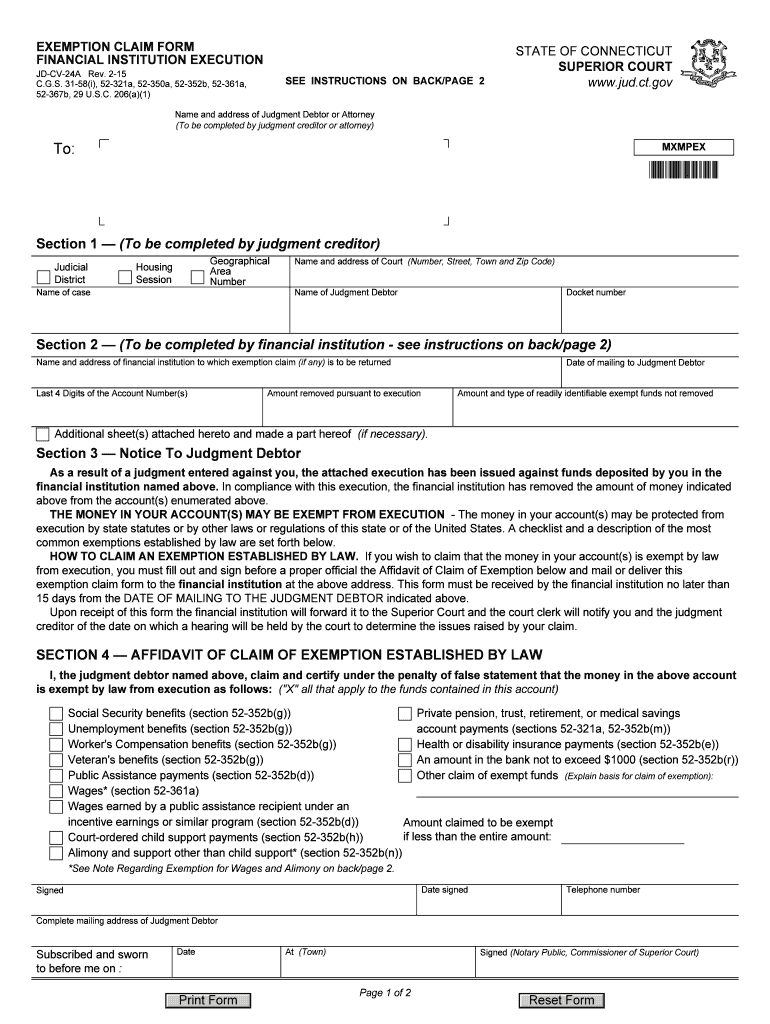
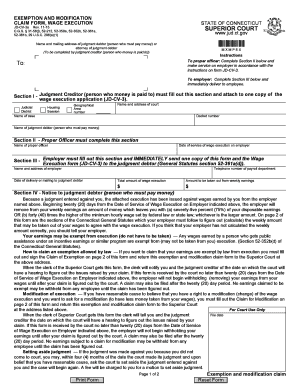
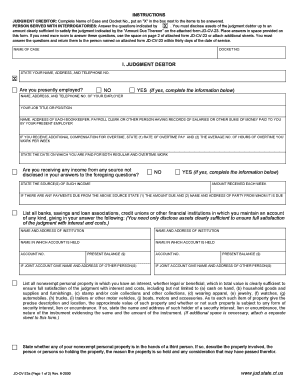
The Connecticut Exemption Claim Form is a legal document used by judgment debtors in Connecticut to assert that certain funds in financial accounts are exempt from legal execution.
pdfFiller scores top ratings on review platforms




Who needs CT JD-CV-24A?
Explore how professionals across industries use pdfFiller.

CT JD-CV-24A is needed by:
-
Judgment Debtors seeking to protect their exempt funds
-
Notary Publics required to notarize the form
-
Financial Institutions processing exemption claims
-
Attorneys representing judgment debtors
-
Individuals interested in understanding their rights under Connecticut law
Comprehensive Guide to CT JD-CV-24A
What is the Connecticut Exemption Claim Form?
The Connecticut Exemption Claim Form serves a crucial role in protecting judgment debtors' rights within the state’s legal framework. This form is specifically designed to allow individuals to claim funds that are exempt from execution, such as Social Security benefits and wages. Utilizing the Connecticut exemption claim form is essential for those seeking to uphold their financial rights in connection with court judgments.
By understanding the significance and functionality of this judgment debtor form (CT), individuals can better navigate their legal responsibilities and protections afforded to them under Connecticut law.
Purpose and Benefits of the Connecticut Exemption Claim Form
This form is vital for judgment debtors as it outlines the legal protections available, helping them identify which types of funds they can claim as exempt. Timely submission of the exemption claim form template ensures that debtors can effectively safeguard their assets and maintain financial stability, particularly in challenging circumstances.
Understanding judgment debtor rights in Connecticut, including the importance of this form, can empower individuals to take necessary steps to protect their resources from unjust execution.
Eligibility Criteria for the Connecticut Exemption Claim Form
To utilize the Connecticut Exemption Claim Form, certain eligibility criteria must be met. Judgment debtors need to be residents of Connecticut and must meet specific financial qualifications to ensure they are entitled to claim certain exemptions. Generally, qualifying exemptions can include various types of income and assets that the law protects from seizure.
-
Residency requirements for applicants.
-
Financial situation must align with qualifying exemptions.
-
Awareness of legal protections available to judgment debtors.
How to Fill Out the Connecticut Exemption Claim Form Online (Step-by-Step)
Filling out the Connecticut Exemption Claim Form online can streamline the application process. Here’s a step-by-step guide on how to navigate and complete the form:
-
Begin with entering your personal information at the designated fields.
-
Provide the last four digits of your account numbers.
-
Review the exemption checkboxes and mark applicable claims.
-
Ensure accuracy and completeness before submission.
Following these instructions carefully will guarantee that your claim is processed without unnecessary delays.
Review and Validation Checklist for the Connecticut Exemption Claim Form
Before submitting the Connecticut Exemption Claim Form, it’s imperative to double-check all entries for accuracy. Critical aspects to review include:
-
Signatures of all necessary parties.
-
Notarization requirements must be fulfilled.
-
Supporting documentation should be included as appropriate.
Avoiding common pitfalls, such as incomplete fields or missing signatures, can enhance your submission process significantly.
How to Sign and Notarize the Connecticut Exemption Claim Form
Legal validation of the Connecticut Exemption Claim Form demands that appropriate signing and notarization procedures are followed. Understanding the difference between digital and wet signatures is essential, as notarization is a requirement in specific instances.
-
When a wet signature is necessary for compliance.
-
Steps to ensure proper notarization of the form.
Being informed about these requirements will help ensure that your form is valid upon submission.
Where and How to Submit the Connecticut Exemption Claim Form
Submission of the Connecticut Exemption Claim Form can be accomplished through several methods. Options include mailing the form or delivering it in person to designated financial institutions or courts. It’s vital to pay attention to important deadlines to avoid any adverse consequences associated with late filings.
-
Various submission methods are available.
-
Consequences for not filing on time could jeopardize the exemption.
What Happens After You Submit the Connecticut Exemption Claim Form
Once the Connecticut Exemption Claim Form is submitted, users should be aware of how claims are processed. Individuals can expect notification regarding any hearings related to their claims.
-
Ways to track submission status and confirm receipt.
-
What to anticipate during the hearing process.
Security and Compliance for the Connecticut Exemption Claim Form
When submitting sensitive information, it's crucial for individuals to remain aware of security measures. Platforms like pdfFiller implement robust mechanisms, including encryption and adherence to regulations, ensuring the safety of personal data during submission.
-
Understanding pdfFiller's security features enhances user confidence.
-
Importance of protecting your information throughout the process.
Leverage pdfFiller to Streamline Your Connecticut Exemption Claim Form Process
Utilizing pdfFiller can significantly enhance your experience with the Connecticut Exemption Claim Form. Key features offered by pdfFiller include easy document management, cloud storage, and a seamless editing process.
-
Benefits of managing forms digitally.
-
Emphasis on security measures in handling sensitive documents.
How to fill out the CT JD-CV-24A
-
1.Access pdfFiller and search for 'Connecticut Exemption Claim Form'. Open the form in the editor to begin.
-
2.Familiarize yourself with the fillable fields. Use the sidebar to navigate through the form sections, ensuring you complete all required fields.
-
3.Before starting, gather necessary information such as your name, address, account numbers, and details about the exemptions you wish to claim.
-
4.Carefully fill in your name and address in the 'Judgment Debtor' section, ensuring accuracy to avoid processing delays.
-
5.Input the last four digits of your account number(s) where prompted. Make sure this information corresponds with the accounts for which you're claiming exemptions.
-
6.Use the checkboxes to indicate specific types of exemptions applicable to your situation. Read instructions provided for clarity on each exemption type.
-
7.Review all entered information for completeness and accuracy. Double-check all figures and spellings before finalizing.
-
8.When satisfied with your entries, use the tools to save your progress. You may also download a copy if needed.
-
9.Submit the completed form to your financial institution electronically or as instructed, ensuring you meet the 15-day submission window.

Who is eligible to use the Connecticut Exemption Claim Form?
The form is intended for judgment debtors in Connecticut who wish to claim that their funds are exempt from legal execution. This includes individuals receiving Social Security benefits, unemployment benefits, and wages.
What is the deadline for submitting the exemption claim?
The completed Connecticut Exemption Claim Form must be submitted to the financial institution within 15 days from the date of mailing. Be sure to adhere to this timeline to ensure your claim is processed properly.
How should I submit the completed form?
The form should be submitted to the financial institution where your accounts are held. Depending on their policies, this may be done electronically or by mailing a hard copy of the form.
What supporting documents are required to complete this form?
Typically, no additional documents are required. However, you may need to provide proof of benefits or income if specific exemptions apply. It's good practice to check with the financial institution for any additional requirements.
What common mistakes should I avoid when filling out the form?
Ensure all fields are filled out completely and accurately. Common mistakes include leaving sections blank or providing incorrect account numbers. Always double-check your entries to avoid delays.
How long does it take for the claim to be processed once submitted?
Processing times may vary, but the financial institution typically forwards the claim to the Superior Court shortly after receipt. It's advisable to follow up to verify receipt and processing.
Do I need notarization for the Connecticut Exemption Claim Form?
Yes, the form must be signed by the judgment debtor and notarized. Ensure you complete this step before submitting it to avoid complications with your claim.
CT JD-CV-24A Form Versions
Related Forms





Get the latest insights from our blog


If you believe that this page should be taken down, please follow our DMCA take down process
here
.
This form may include fields for payment information. Data entered in these fields is not covered by PCI DSS compliance.