Reduce Word file size from 10 MB to 5 MB
Reduce your Word file size from 10 MB to 5 MB easily using pdfFiller's compression tool, ensuring efficient document sharing without compromising quality.
What Does the Compression Tool Do?
The compression tool allows you to reduce Word size effectively. It compresses images within the document while maintaining text integrity, ensuring that your content remains clear and readable. This tool is accessible in the editor, and no IT setup is required, making it user-friendly for anyone needing to manage their documents efficiently. You can use it in various scenarios, such as preparing reports or presentations that need to be shared quickly.
Why You Need to Reduce File Size
Reducing Word size is essential for several reasons. Large files hinder sharing, especially when emailing documents, as they may exceed attachment limits. This can affect email deliverability and slow down collaboration efforts among team members. In an era where remote work is prevalent, optimizing file size is crucial to ensure smooth communication and efficient workflows.
How to Access the Compression Tool
To reduce Word size, locate the compression tool easily. It is available in the editor toolbar and can also be accessed from the All Tools dashboard. You do not need to have a document open to find it, and the user-friendly interface makes it straightforward to navigate.
Uploading Your Document for Compression
When uploading your Word documents, ensure they are in supported formats. The tool allows for drag-and-drop functionality, making it easy to upload files. Be aware of the conversion options and file size limits to ensure a smooth compression process.
Step-by-Step Guide to Reducing Word Size
- Open pdfFiller and locate the compression tool in the toolbar.
- Upload your Word document by dragging it into the designated area.
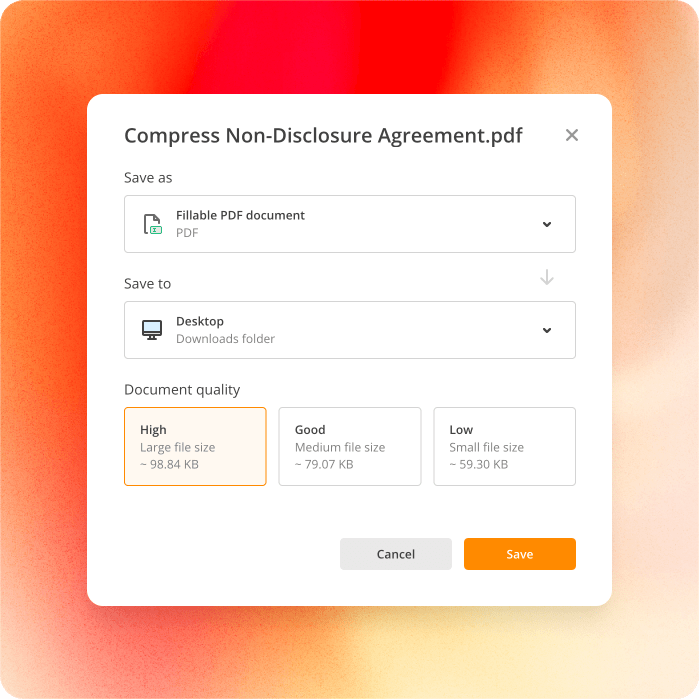
- Select the desired compression quality level based on your needs.
- Click on the compress button to initiate the process.
- Wait for the tool to process your document; this may take a few moments.
- Once completed, download the compressed file to your device.
- Check the file size to ensure it meets your requirements.
- Share the compressed document via email or other platforms as needed.
Choosing the Right Compression Quality Level
When reducing Word size, you can choose from high, medium, and low compression settings. Each level impacts images differently, while text remains intact across all options. Depending on your plan, you may have access to different quality settings, so select one that best fits your document's purpose.
What Changes After Compression?
After compression, some changes may occur in your document. Images might lose quality, but the text and overall structure will be preserved. Any form fields in the document will remain intact, ensuring that the content is still functional and usable after compression.
Expected Results from Compression
When you reduce Word size, the results can vary based on the document type. Image-heavy files typically compress better than text-only files, which may yield less significant size reductions. It's important to note that there are no guarantees on the exact percentage of size reduction you will achieve.
Next Steps After Compression
Once you have compressed your document, you can download it directly to your device. You can then share it via email or explore further editing options if necessary. If the file is still too large, consider revisiting the compression tool or adjusting the quality settings.
Comparing Compression with Other Methods
Compression differs from other methods like deleting pages or splitting documents. While these methods can reduce file size, they may alter the document's content. Compression uniquely benefits users by maintaining the integrity of the document while effectively reducing size, making it a preferred choice for document management.
Real-World Scenarios for Compression
For small businesses, reducing Word size can facilitate quicker sharing of proposals and reports. Freelancers often need to send documents promptly, making compression a valuable tool. Professionals managing large reports can also benefit from optimized file sizes, enhancing collaboration with team members and clients.
Security and Compliance Considerations
When using the compression tool, security is paramount. The tool employs encryption during compression to protect your data and comply with relevant standards. However, it is essential to note that while the tool aims to protect user data, there are no guarantees against data loss during the process.
Conclusion and Next Steps
In summary, reducing Word size offers numerous benefits, including improved document sharing and collaboration. We encourage you to try pdfFiller's compression tool to experience these advantages firsthand. Explore other features available on the platform to enhance your document management capabilities.
How Does pdfFiller Compare?
Smallpdf offers a range of PDF tools but lacks the comprehensive document management features of pdfFiller. Users may find it less integrated for document workflows.
ilovepdf provides basic compression but does not support advanced editing or e-signatures like pdfFiller. Limited in terms of template access.
Adobe Acrobat is a powerful tool with extensive features, but it can be costly and complex for small businesses. pdfFiller offers a more user-friendly and affordable solution.