Form preview

IRS 1040 2022 free printable template
Get Form
pdfFiller is not affiliated with IRS
Screenshot
Screenshot
Screenshot

Get, Create, Make, and Sign IRS 1040
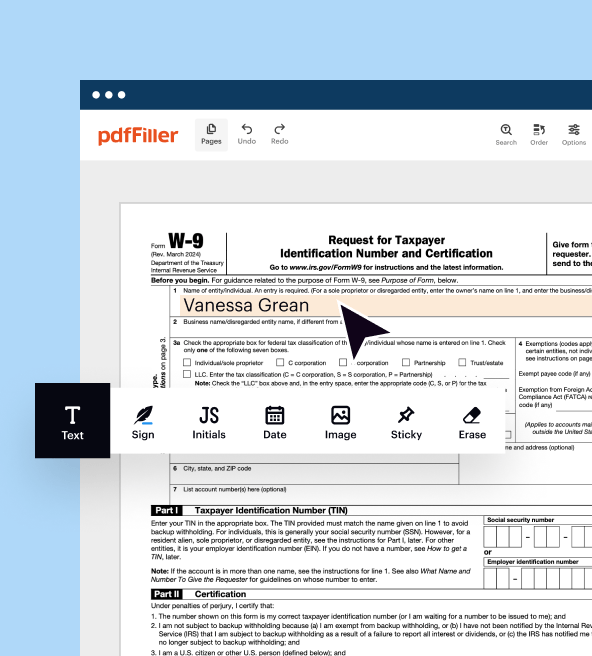
Edit your IRS 1040 online
Type text, complete fillable fields, insert images, highlight or blackout data for discretion, add comments, and more.
Screenshot
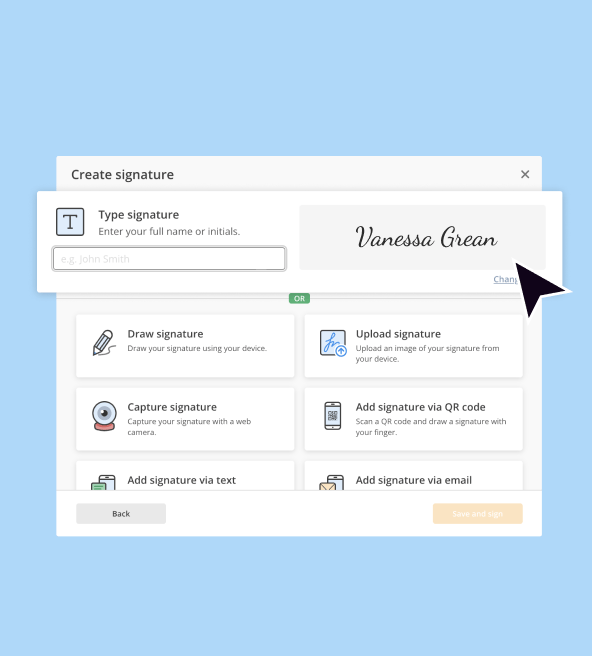
Add your legally-binding signature
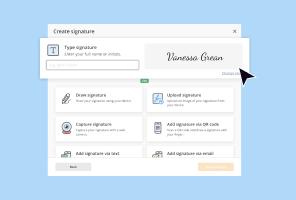
Draw or type your signature, upload a signature image, or capture it with your digital camera.
Screenshot
Share your form instantly
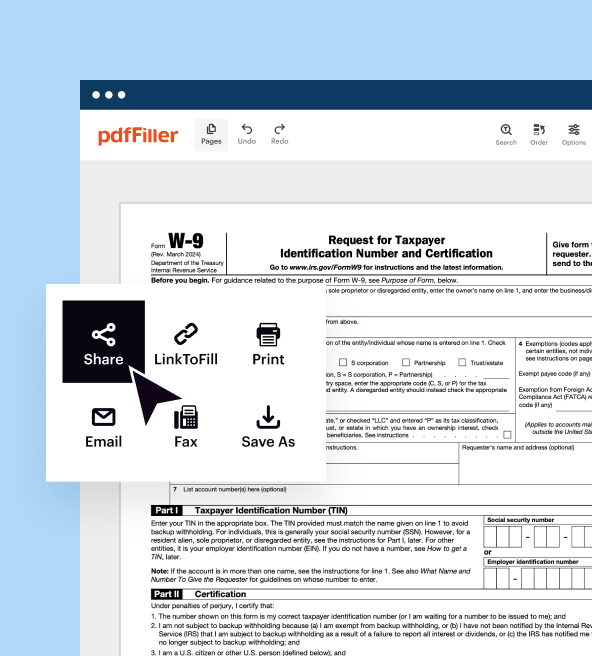
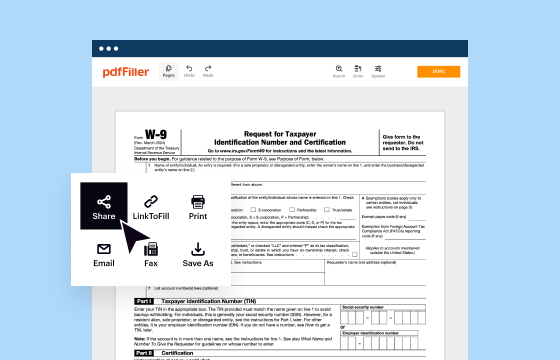
Email, fax, or share your IRS 1040 via URL. You can also download, print, or export forms to your preferred cloud storage service.
Screenshot

Instructions and Help about IRS 1040

How to edit IRS 1040

Editing the IRS 1040 Tax Form is essential for ensuring accuracy before submission. You can easily modify sections of the form if you notice any mistakes or if your financial situation changes. Utilize tools like pdfFiller, which allows you to edit text fields directly, ensuring that your information remains accurate and compliant with IRS standards.

How to fill out IRS 1040

Filling out the IRS 1040 is a crucial step in reporting your income and calculating your tax obligations. To complete the form, follow these general steps:
01
Obtain a copy of the IRS 1040 Tax Form from the IRS website or through authorized distributors.
02
Gather all necessary documentation, including W-2s, 1099 forms, and any other income statements.
03
Begin by entering your personal information, such as your name, address, and social security number.
04
Provide details about your income, deductions, and credits in the appropriate sections.
05
Calculate your total tax due and check for any discrepancies before submitting the form.

About IRS previous version

What is IRS 1040?

IRS 1040 is the standard individual income tax form used by U.S. citizens and residents to report annual income to the Internal Revenue Service (IRS). This form is necessary for calculating the individual tax liability based on earnings, deductions, and credits.

Who needs the form?

Individuals must use the IRS 1040 if they have earned income above a certain threshold, which varies based on filing status and age. Generally, U.S. citizens and resident aliens who have taxable income need to file this form. Additionally, self-employed individuals and those receiving unemployment benefits typically must complete IRS 1040.

Components of the form

The IRS 1040 consists of various sections, including income information, adjustments to income, tax computation, and information about tax credits. Other components include taxpayer signature lines and options to contribute to charitable organizations. Understanding these components is essential for providing accurate data.

What information do you need when you file the form?

When preparing to file the IRS 1040, you will need various pieces of information, including:
01
Your Social Security number and the Social Security numbers of any dependents.
02
Forms W-2 from each employer and 1099 forms for any additional income.
03
Documentation for claimed deductions and tax credits, such as mortgage interest statements or educational expenses.
04
Bank account information if you opt for direct deposit for your refund.

Where do I send the form?

Once you have completed the IRS 1040, the submission location will depend on your state of residence and whether you are including a payment. Generally, taxpayers can send the form to the appropriate IRS service center designated for their state. For electronic filing, you can directly submit your completed IRS 1040 through authorized tax software or services like pdfFiller.

What is the purpose of this form?

The primary purpose of the IRS 1040 is to report your income and calculate the tax you owe or the refund you may receive. It acts as a comprehensive record of your financial activities for the tax year, helping the IRS determine your tax obligations. Accurate completion of this form is vital for compliance with tax laws and avoiding potential penalties.

When am I exempt from filling out this form?

You may be exempt from filing the IRS 1040 if your income falls below the federal filing threshold. Additionally, certain individuals may qualify for exceptions, such as dependents who earn less than the required amount or individuals with specific tax situations. However, it's advisable to consult IRS guidelines or a tax professional to confirm your filing status.

What are the penalties for not issuing the form?

Failing to file the IRS 1040 by the due date can result in penalties and interest on any unpaid taxes. The penalty for late filing is typically a percentage of the tax owed for each month the return is late, and it increases the longer the return is not submitted. To mitigate penalties, it is crucial to file on time or apply for an extension if necessary.

Is the form accompanied by other forms?

The IRS 1040 may require additional schedules and forms based on your financial situation. These could include Schedule A for itemized deductions, Schedule C for self-employment income, and various credits like the Child Tax Credit. It's important to determine which additional forms apply to your circumstances to ensure accurate reporting.

FAQ about IRS 1040

If you discover an error on your filed IRS 1040, you will need to submit Form 1040-X to correct it. This process allows you to amend your return, addressing specific errors or changing your filing status. Make sure to include any necessary documentation and explain the changes you are making.

To track the status of your submitted IRS 1040, you can visit the IRS 'Where’s My Refund?' tool on their website. You'll need to provide your Social Security number, filing status, and the exact refund amount to get updates on the processing of your return and any refunds due.

If your e-filed IRS 1040 is rejected, the IRS will provide a rejection code that indicates the issue. Review the error message, make the necessary corrections, and resubmit your return. It’s crucial to address these issues promptly to avoid potential delays in processing.

When filing your IRS 1040 online, ensure the tax software you use has strong encryption protocols to protect your personal information. Additionally, be aware of the need to secure your internet connection and use reliable antivirus software to safeguard against cyber threats.

While many platforms offer free e-filing for IRS 1040, some may charge service fees for premium features or complex returns. If your submission is rejected, you won’t typically incur additional fees, but you must promptly rectify the errors to ensure timely processing of your amended return.

See what our users say

Read user feedback and try pdfFiller to explore all its benefits for yourself
GREAT SERVICE, WILL RECOMMED TO A FRIEND
Anonymous Customer
This is the first time I ever used it but I think I am liking it very much.
JoAnne R
See what our users say
Trust Seal
Trust Seal
Trust Seal
Trust Seal
Trust Seal
Trust Seal
Trust Seal
Trust Seal
Rate free form
4.8
satisfied
200 votes

How to Fill Out Small Business Tax Forms Online with pdfFiller

Struggling with your Schedule C or not sure how to file business taxes as a sole proprietor, LLC, or self-employed professional? This step-by-step pdfFiller tutorial walks you through completing IRS Schedule C quickly and accurately — no printing, no scanning, no stress. Whether you're handling small business tax deductions, tracking self-employed taxes, or preparing your full business tax return, pdfFiller makes it simple right in your browser.

If you believe that this page should be taken down, please follow our DMCA take down process here .
This form may include fields for payment information. Data entered in these fields is not covered by PCI DSS compliance.