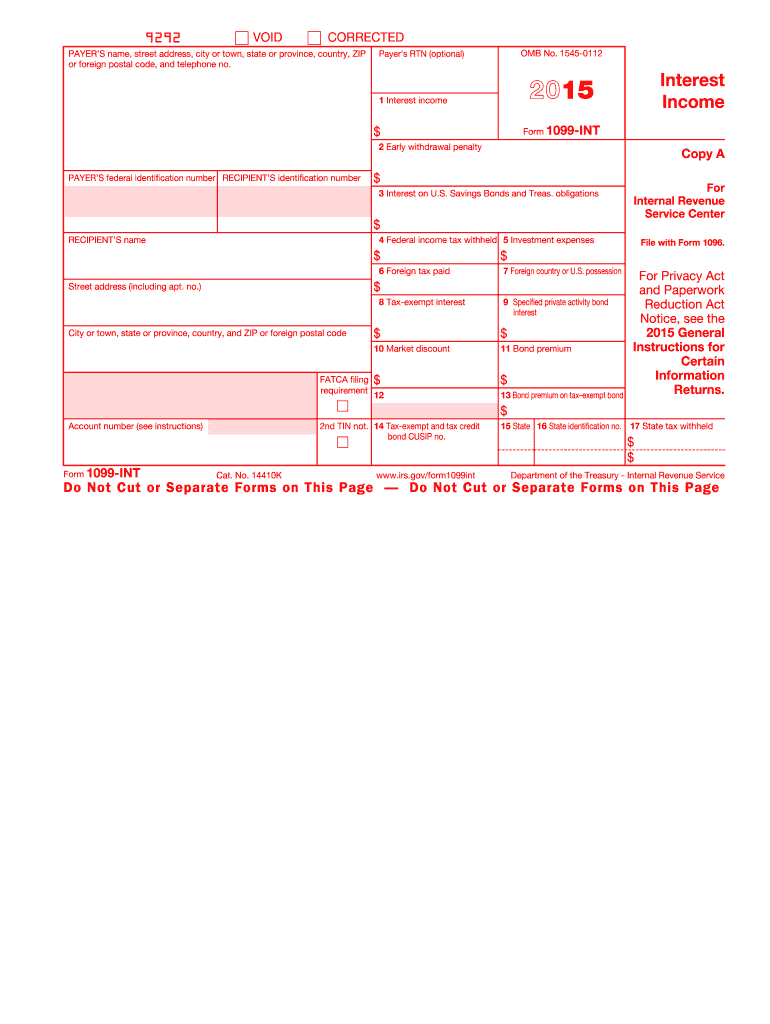
Form preview

IRS 1099-INT 2015 free printable template
Get Form
pdfFiller is not affiliated with IRS
Screenshot
Screenshot
Screenshot

Get, Create, Make, and Sign IRS 1099-INT
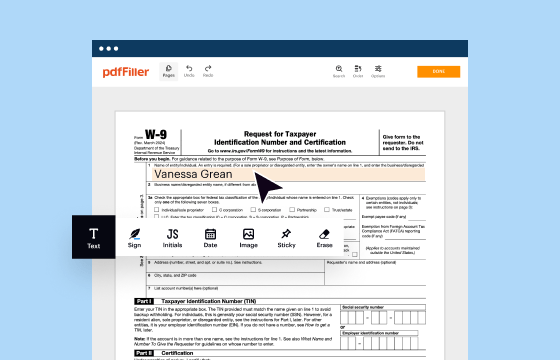
Edit your IRS 1099-INT online
Type text, complete fillable fields, insert images, highlight or blackout data for discretion, add comments, and more.
Screenshot
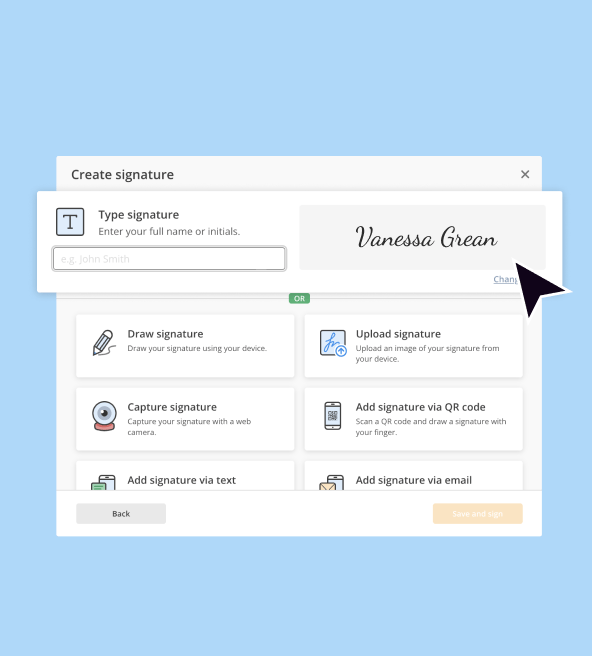
Add your legally-binding signature
Draw or type your signature, upload a signature image, or capture it with your digital camera.
Screenshot
Share your form instantly
Email, fax, or share your IRS 1099-INT via URL. You can also download, print, or export forms to your preferred cloud storage service.
Screenshot

Instructions and Help about IRS 1099-INT

How to edit IRS 1099-INT

To edit IRS 1099-INT, you need to obtain a blank copy of the form from the IRS website or use tools like pdfFiller that allow for digital completion and modification. Once you have the form, review your existing information carefully to ensure accuracy. Use the editing features in pdfFiller to change any incorrect data, save it, and then print or electronically submit the updated version.

How to fill out IRS 1099-INT

Filling out IRS 1099-INT requires specific information about the interest payments made during the tax year. First, gather necessary documents that display the interest paid, typically from banks or financial institutions. Using pdfFiller, input the payer’s information, including name, address, and Tax Identification Number (TIN), followed by the recipient’s information. Accurate entries for interest amounts must be completed in the appropriate boxes before signing and submitting the form.

About IRS 1099-INT 2015 previous version

What is IRS 1099-INT?

IRS 1099-INT is a tax form used to report interest income that individuals or entities have earned during a specific tax year. This form is primarily used by banks and other financial institutions to inform the IRS about interest payments made to account holders. Recipients of the form must report the income on their tax returns, which helps ensure proper taxation of interest income.

When am I exempt from filling out this form?

You may be exempt from filling out IRS 1099-INT if you received interest income below $10 during the tax year. Furthermore, certain types of interest payments, such as those paid to tax-exempt organizations or non-profit entities, may not require the issuance of this form. It's important to check IRS guidelines for specific exemptions related to your financial situation.

What are the penalties for not issuing the form?

Failing to issue IRS 1099-INT to eligible recipients can result in penalties for the payer. These penalties can range from $30 to $300 per form, depending on how late the form is issued. Moreover, intentional disregard for the requirement to file can lead to higher fines, highlighting the importance of compliance with IRS regulations.

Is the form accompanied by other forms?

IRS 1099-INT is typically submitted alone but may need to accompany other related forms if you have additional income types to report. For instance, if you also received dividends, you would file IRS 1099-DIV alongside 1099-INT. Ensure all related forms are filed correctly to keep your tax records accurate and compliant.

Where do I send the form?

IRS 1099-INT should be sent to the appropriate addresses listed in IRS instructions based on your location and filing method. If you are filing electronically, use the IRS e-file system or authorized e-filing services. For paper filings, send the form to designated processing centers to ensure timely processing and compliance with IRS submission requirements.

What is the purpose of this form?

The purpose of IRS 1099-INT is to document interest payments exceeding a set threshold amount. This information is critical for the IRS to track income and enforce tax compliance among taxpayers. The data from the form also helps taxpayers understand their earned interest and aids in accurately reporting taxable income when filing tax returns.

Who needs the form?

Individuals or entities that have received $10 or more in interest from a bank, credit union, or other financial sources during the tax year will need IRS 1099-INT. Additionally, recipients who earn more than this threshold must accurately report this income on their tax return. This form is relevant for individuals, partnerships, estates, and some corporations receiving significant interest income.

Components of the form

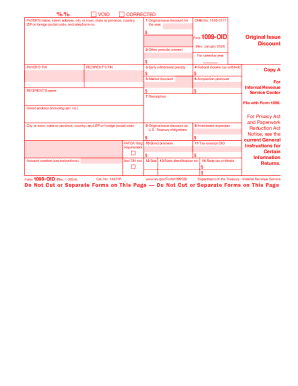
IRS 1099-INT consists of several key components, including the payer's details, recipient's information, and fields for reporting interest income. It also features checkboxes indicating specific types of interest, such as tax-exempt interest or early withdrawal penalties. A summary section is included to provide a comprehensive overview of the interest paid during the reporting period.

What information do you need when you file the form?

When filing IRS 1099-INT, you will need to have accurate information about the payer, including name, address, and TIN, along with the recipient's details. The total interest paid during the year must also be reported in the designated boxes. Ensure you have copies of the financial documentation substantiating the interest disbursed to verify the amounts you report.

FAQ about IRS 1099-INT

If you discover a mistake on your IRS 1099-INT after submission, you should file a corrected form. Ensure you clearly mark it as 'Corrected' at the top. Keep in mind that this process may differ slightly depending on whether you filed electronically or via paper, so consulting IRS guidelines for amendments is advisable.

To check the status of your filed IRS 1099-INT, you can utilize the IRS's e-file confirmation tools. Additionally, if you e-filed, you may receive an acknowledgment from the IRS. If your form is rejected, look out for common rejection codes to identify the issue promptly.

If you receive a notice from the IRS concerning your IRS 1099-INT, carefully read the notice to understand the issue at hand. Prepare the necessary documentation to support your case, and respond by the date indicated to avoid penalties. It may also be beneficial to consult with a tax professional for assistance.

Yes, electronic signatures are generally acceptable when filing an IRS 1099-INT, particularly if you are e-filing. However, ensure that the software you use complies with IRS regulations regarding electronic signatures to maintain the validity of your submission.

To avoid common mistakes when preparing your IRS 1099-INT, double-check the accuracy of taxpayer identification numbers and amounts. Additionally, be mindful of any variations in names or addresses. Ensuring everything is accurate will save you from having to amend your submission later.

See what our users say

Read user feedback and try pdfFiller to explore all its benefits for yourself
This is a great tool. The more I use it the better I understand how to navigate.
eh
Love! Love! took some time to learn. Is there a tutorial video?
Karina
See what our users say
Trust Seal
Trust Seal
Trust Seal
Trust Seal
Trust Seal
Trust Seal
Trust Seal
Trust Seal
Rate free form
4.2
satisfied
49 votes

How to Fill Out Small Business Tax Forms Online with pdfFiller

Struggling with your Schedule C or not sure how to file business taxes as a sole proprietor, LLC, or self-employed professional? This step-by-step pdfFiller tutorial walks you through completing IRS Schedule C quickly and accurately — no printing, no scanning, no stress. Whether you're handling small business tax deductions, tracking self-employed taxes, or preparing your full business tax return, pdfFiller makes it simple right in your browser.

If you believe that this page should be taken down, please follow our DMCA take down process here .
This form may include fields for payment information. Data entered in these fields is not covered by PCI DSS compliance.