
Last updated on
Oct 31, 2026

Get the free Nebraska Residential Lease Agreement
We are not affiliated with any brand or entity on this form

Fill out
Complete the form online in a simple drag-and-drop editor.

eSign
Add your legally binding signature or send the form for signing.

Share
Share the form via a link, letting anyone fill it out from any device.

Export
Download, print, email, or move the form to your cloud storage.
Why pdfFiller is the best tool for your documents and forms


End-to-end document management
From editing and signing to collaboration and tracking, pdfFiller has everything you need to get your documents done quickly and efficiently.
Accessible from anywhere
pdfFiller is fully cloud-based. This means you can edit, sign, and share documents from anywhere using your computer, smartphone, or tablet.
Secure and compliant
pdfFiller lets you securely manage documents following global laws like ESIGN, CCPA, and GDPR. It's also HIPAA and SOC 2 compliant.
What is Nebraska Residential Lease Agreement
The Nebraska Residential Lease Agreement is a legal document used by landlords and tenants to establish a rental agreement for residential properties in Nebraska.
pdfFiller scores top ratings on review platforms




Who needs Nebraska Residential Lease Agreement?
Explore how professionals across industries use pdfFiller.

Nebraska Residential Lease Agreement is needed by:
-
Landlords looking to rent out residential properties in Nebraska
-
Tenants seeking to secure rental properties in Nebraska
-
Real estate agents assisting clients with lease agreements
-
Property management companies overseeing rental agreements
-
Legal professionals advising clients on residential leases
Comprehensive Guide to Nebraska Residential Lease Agreement
What is the Nebraska Residential Lease Agreement?
The Nebraska Residential Lease Agreement serves as a legal document that formalizes the rental terms between a landlord and tenant within Nebraska. Its primary function is to outline the obligations, rights, and conditions that govern the rental relationship. This agreement is crucial as it protects the interests of both parties, ensuring clarity and legal enforceability in their dealings.
For landlords, the agreement provides a framework to ensure timely rent payments and property maintenance, while tenants gain security and a clear understanding of their responsibilities. Ultimately, this document helps prevent legal disputes by establishing agreed-upon terms, such as rental amounts and property use.
Purpose and Benefits of the Nebraska Residential Lease Agreement
A written Nebraska Residential Lease Agreement is essential for defining the rental relationship clearly. It lays out specific expectations and requirements, which helps minimize misunderstandings that can lead to disputes. By having documented terms, both parties can reference the agreement for clarity on responsibilities, payment schedules, and consequences of violations.
This structure fosters a healthier landlord-tenant relationship, as it promotes open communication founded on mutual agreements. Additionally, a well-crafted lease provides legal protection, allowing both sides to understand their rights and obligations thoroughly.
Key Features of the Nebraska Residential Lease Agreement
The Nebraska Residential Lease Agreement includes several vital sections that outline the specific aspects of the rental arrangement. Key features of the document comprise:
-
Rent Payment Terms: Specifies the rental amount, due dates, and acceptable payment methods.
-
Security Deposit: Details the deposit amount, management, and conditions for its return.
-
Maintenance Responsibilities: Clarifies who is responsible for property upkeep and repairs.
-
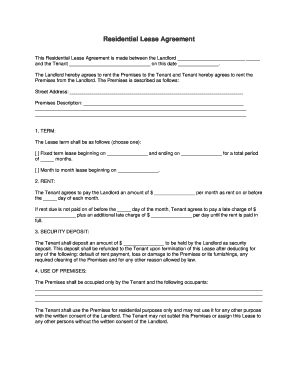
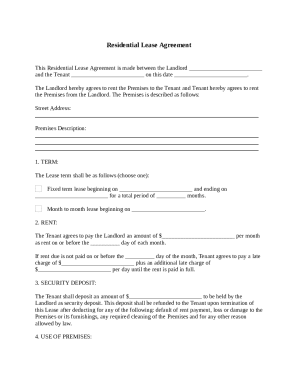
Blank Fields: Contains spaces for the names of the landlord and tenant, rental dates, and monetary amounts.
This structured format helps streamline the leasing process, ensuring all necessary information is documented clearly.
Who Needs the Nebraska Residential Lease Agreement?
The primary users of the Nebraska Residential Lease Agreement are landlords and tenants entering rental arrangements in Nebraska. This document is pivotal for those who want to formalize their lease, providing both parties with protection and clarity surrounding their agreement.
Situations where this lease is critical include new rental agreements, lease renewals, or changes to existing terms. Establishing a written lease not only secures both parties' interests but also facilitates a smoother transition into a rental arrangement.
How to Fill Out the Nebraska Residential Lease Agreement Online (Step-by-Step)
To ensure accuracy when completing the Nebraska Residential Lease Agreement, follow these steps:
-
Access the appropriate Nebraska Residential Lease Agreement template on pdfFiller.
-
Fill in the landlord's and tenant's names in the designated fields.
-
Enter the rental property address, lease term start and end dates.
-
Specify the monthly rent amount and security deposit details.
-
Review all entries for accuracy before submitting.
-
Ensure both parties sign the document to validate the lease.
Common Errors and How to Avoid Them When Filling Out the Nebraska Residential Lease Agreement
While completing the Nebraska Residential Lease Agreement, certain mistakes can easily occur. Common errors include:
-
Omitting required signatures from the landlord or tenant.
-
Incorrectly filling in dates or monetary amounts.
-
Leaving critical sections blank that could lead to disputes.
To avoid these pitfalls, review the completed form thoroughly, ensuring all fields are filled correctly and signatures are secured before submission.
How to Sign the Nebraska Residential Lease Agreement
Signing the Nebraska Residential Lease Agreement is a crucial step in finalizing the lease. The signing process can occur either digitally through platforms like pdfFiller or on paper using ink signatures. For legal validity, signatures from both the landlord and tenant are necessary.
It is important for both parties to ensure that they understand the document before signing, as their signatures will demonstrate agreement to the terms laid out in the lease.
Where to Submit the Nebraska Residential Lease Agreement
After filling out the Nebraska Residential Lease Agreement, there are several options for submitting it. Completed forms can typically be submitted to local real estate offices, delivered in person to the involved parties, or sent via digital means through online document management platforms.
Additionally, it is advisable to keep a copy for personal records and to adhere to any local legal requirements for delivering a signed lease, ensuring both parties have access to the final document.
Protection and Security When Handling the Nebraska Residential Lease Agreement
Using pdfFiller to handle the Nebraska Residential Lease Agreement provides enhanced security for both landlords and tenants. The platform utilizes 256-bit encryption and complies with regulations such as HIPAA and GDPR, ensuring that sensitive information shared during the lease process remains protected.
This commitment to security allows users to focus on their leasing documentation without concern for data breaches or unauthorized access.
Engaging with pdfFiller for Your Nebraska Residential Lease Agreement Needs
pdfFiller simplifies the creation and management of the Nebraska Residential Lease Agreement. Users can easily edit and fill out the lease template, experience a streamlined form-filling process, and benefit from secure electronic signing options.
Exploring the functionalities available on pdfFiller enhances the experience for both landlords and tenants, ensuring their lease agreements are accurate and legally binding.
How to fill out the Nebraska Residential Lease Agreement
-
1.Access pdfFiller and search for 'Nebraska Residential Lease Agreement' to open the form in your browser.
-
2.Navigate through the document using the scroll feature, and locate the fields that require input.
-
3.Before starting, gather necessary information such as names, dates, addresses, and any relevant monetary amounts related to the lease.
-
4.Click on the blank fields to enter your information. Use the provided checkboxes for selecting utility options, ensuring all required fields are filled.
-
5.Review the filled-out form thoroughly, checking for any missing information or errors. Ensure all signatures are appropriately placed.
-
6.Once you are satisfied with the details and the document is complete, click the save option to store your progress.
-
7.To download or submit the form, proceed to the appropriate options offered by pdfFiller. Choose the file format required and confirm the download.

What are the eligibility requirements for using the Nebraska Residential Lease Agreement?
To use the Nebraska Residential Lease Agreement, both the landlord and tenant must be legally capable of entering contracts, typically requiring them to be at least 18 years old or an emancipated minor.
Are there any deadlines to complete the Nebraska Residential Lease Agreement?
While there is no specific deadline to complete the lease agreement, both parties should aim to finalize it before the lease term begins to avoid potential legal issues and misunderstandings.
How should I submit the Nebraska Residential Lease Agreement once completed?
The Nebraska Residential Lease Agreement can be submitted by printing and signing hard copies or electronically via pdfFiller by sharing through email or uploading to relevant property management systems.
What supporting documents are typically required for the Nebraska Residential Lease Agreement?
Typically, no specific supporting documents are needed to complete the Nebraska Residential Lease Agreement, but both parties may want to provide identification and proof of ownership or rental authority as needed.
What are common mistakes to avoid when filling out the lease agreement?
Common mistakes include failing to complete all required fields, signing without reviewing the terms carefully, and not including all relevant details such as rent due dates and security deposits.
How long does it take to process the Nebraska Residential Lease Agreement?
Since the Nebraska Residential Lease Agreement is typically filled out by the parties involved, processing time depends on how quickly both parties review and sign the document. Ensure timely signatures for efficiency.
Can I modify the Nebraska Residential Lease Agreement after it has been signed?
Once the Nebraska Residential Lease Agreement is signed, any modifications must be agreed upon by both parties and documented as an addendum to the original lease to be legally valid.
Related Content
Related Forms




Related Catalogs
Get the latest insights from our blog


If you believe that this page should be taken down, please follow our DMCA take down process
here
.
This form may include fields for payment information. Data entered in these fields is not covered by PCI DSS compliance.