Form preview

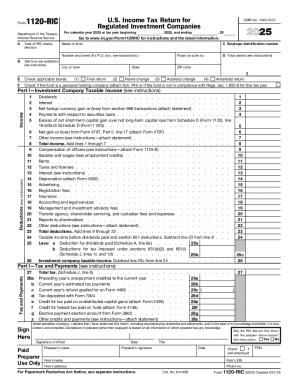
IRS 1120-REIT 2024 free printable template
Get Form
pdfFiller is not affiliated with IRS
Screenshot
Screenshot
Screenshot

Get, Create, Make, and Sign IRS 1120-REIT
Edit your IRS 1120-REIT online
Type text, complete fillable fields, insert images, highlight or blackout data for discretion, add comments, and more.
Screenshot
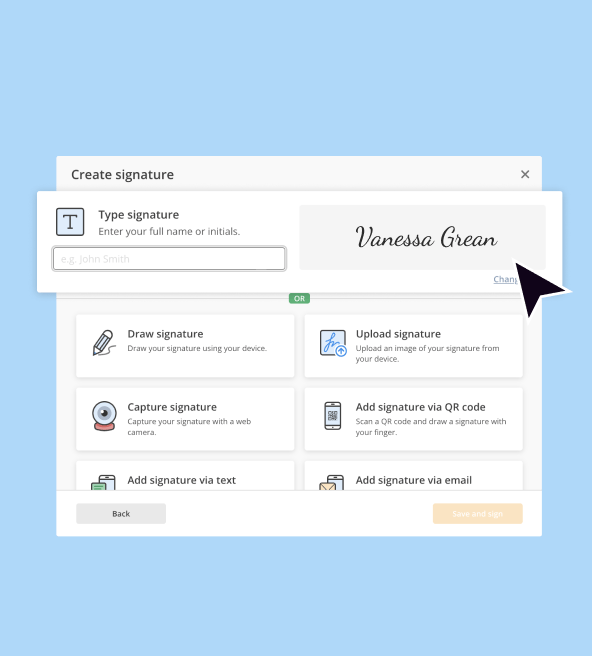
Add your legally-binding signature
Draw or type your signature, upload a signature image, or capture it with your digital camera.
Screenshot
Share your form instantly
Email, fax, or share your IRS 1120-REIT via URL. You can also download, print, or export forms to your preferred cloud storage service.
Screenshot

Instructions and Help about IRS 1120-REIT

How to edit IRS 1120-REIT

Editing the IRS 1120-REIT tax form can be accomplished using pdfFiller. Users can import an existing form or start from scratch, making necessary corrections or additions. Ensure to save changes frequently while editing to avoid losing any data. Once edited, the form can be easily signed and submitted online.

How to fill out IRS 1120-REIT

To fill out the IRS 1120-REIT form accurately, first gather all required financial statements and documentation related to real estate investment trusts. Follow these steps:
01
Download the IRS 1120-REIT form from the official IRS website.
02
Fill in basic business information such as name, address, and Employer Identification Number (EIN).
03
Report income, deductions, and credit amounts accurately in the corresponding sections.
04
Complete the necessary schedules based on your specific financial situation.
05
Review the form thoroughly before submission for any errors or omissions.

Latest updates to IRS 1120-REIT

IRS 1120-REIT may see annual updates in terms of codes and requirements reflecting changes in tax law. It is essential to review the instructions provided by the IRS each filing season to ensure compliance with the latest regulations.

About IRS 1120-REIT 2024 previous version

What is IRS 1120-REIT?

IRS 1120-REIT is the tax form specifically designed for real estate investment trusts (REITs) in the United States. This form is used by companies that qualify as REITs to report their income, deductions, and tax payments. The form is essential for ensuring compliance with federal tax regulations that govern REIT operations.

Who needs the form?

IRS 1120-REIT must be filed by entities recognized as real estate investment trusts. To qualify, these entities must adhere to specific regulatory guidelines concerning asset composition, income distribution, and taxation. If the entity does not meet the REIT qualification requirements, it will need to utilize different tax forms, typically the regular corporate tax return, IRS Form 1120.

Components of the form

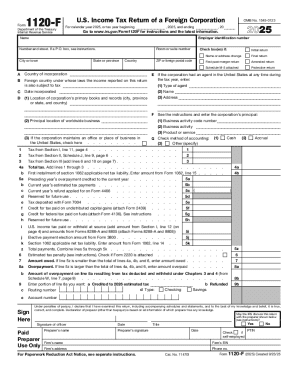
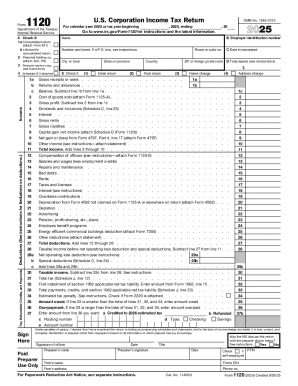
The IRS 1120-REIT form includes several key sections which must be completed to provide a complete picture of the REIT's financial status. These sections include income and deductions, tax credits, and various schedules specific to real estate activities. Each part of the form is critical for reporting accurately income derived from real estate investments.

What are the penalties for not issuing the form?

Failing to file the IRS 1120-REIT by the established deadline can lead to significant penalties. Typically, the IRS may impose a penalty based on the amount of unpaid tax per month, up to 5 months. Additionally, late submission can result in interest charges accruing on unpaid taxes, further increasing the overall liability.

Is the form accompanied by other forms?

Yes, the IRS 1120-REIT may need to be accompanied by specific schedules and additional forms depending on the activities and income sources of the REIT. Commonly associated forms include Schedule A for income specifics and Schedule B for deductions related to distributions. Always reference IRS guidelines for necessary accompanying documentation.

What is the purpose of this form?

The purpose of the IRS 1120-REIT form is to calculate taxes owed by a REIT based on its operational earnings. It helps the IRS monitor commercial real estate investments and ensure that REITs distribute a significant portion of their income to shareholders, thus qualifying for special tax treatment. This form fosters transparency in the financial activities of REITs and facilitates proper tax collection.

When am I exempt from filling out this form?

An entity may be exempt from filing the IRS 1120-REIT if it does not meet the REIT qualification requirements or if it had no income during the taxable year. Additionally, certain small businesses that do not operate as REITs are also exempt from submitting this form. Always consult a tax professional to confirm exemption status.

Due date

The due date for filing the IRS 1120-REIT is typically the 15th day of the 4th month following the end of the REIT's tax year. For most calendar-year filers, this means the form is due on April 15. Extensions may be available, but proper procedures must be followed to ensure compliance and avoid penalties.

What information do you need when you file the form?

When filing the IRS 1120-REIT form, gather essential information including the REIT’s financial statements, income sources, expense reports, and all required schedules related to real estate investment activities. Having a comprehensive understanding of assets, liabilities, and equity distributions is critical for accurate reporting.

Where do I send the form?

Completed IRS 1120-REIT forms should be sent to the appropriate IRS processing center based on the REIT’s location. Refer to current IRS guidelines for the specific mailing address, as this information may change annually. Ensure that all forms are sent with sufficient postage and tracking to confirm receipt.

FAQ about IRS 1120-REIT

If you discover mistakes on your IRS 1120-REIT, you should submit an amended return using Form 1120-X. Ensure all corrections are clearly marked and provide a detailed explanation for the changes you are making. It's crucial to retain a copy of the original and amended forms for your records.

In the event of an e-filing rejection of your IRS 1120-REIT, carefully review the rejection code and reason provided. Address any issues noted, correct the errors in your submission, and refile as soon as possible. Keep track of your submission status through the IRS e-file tracking system.

When e-filing your IRS 1120-REIT, ensure you are using secure internet connections and reputable software that complies with IRS guidelines. Protect sensitive data with encryption where possible and be aware of your rights regarding data privacy as outlined by the IRS.

Yes, you can file an IRS 1120-REIT on behalf of a nonresident or foreign payee, provided you have the necessary authority, such as a Power of Attorney (POA). Ensure that you follow all relevant guidelines and retain proper documentation to substantiate the filing.

If you receive an audit notice for your IRS 1120-REIT, review the notice carefully and gather all requested documentation. Respond within the timeframe specified, and consider consulting with a tax professional to ensure compliance and thoroughness in your response.


See what our users say
Trust Seal
Trust Seal
Trust Seal
Trust Seal
Trust Seal
Trust Seal
Trust Seal
Trust Seal
Rate free form
4.4
satisfied
24 votes

How to Fill Out Small Business Tax Forms Online with pdfFiller

Struggling with your Schedule C or not sure how to file business taxes as a sole proprietor, LLC, or self-employed professional? This step-by-step pdfFiller tutorial walks you through completing IRS Schedule C quickly and accurately — no printing, no scanning, no stress. Whether you're handling small business tax deductions, tracking self-employed taxes, or preparing your full business tax return, pdfFiller makes it simple right in your browser.

If you believe that this page should be taken down, please follow our DMCA take down process here .
This form may include fields for payment information. Data entered in these fields is not covered by PCI DSS compliance.