Reduce Word File Size to Below 10 KB
Reduce your Word file size to below 10 KB quickly and easily using pdfFiller’s compression tool, ensuring efficient sharing and storage.
What Does the Compress Tool Do?
The Compress tool is designed to help you reduce Word file size effectively. It compresses images, flattens annotations, and maintains text integrity, ensuring that your document remains readable and professional. Accessible directly in the editor, this tool is perfect for various usage scenarios, such as preparing documents for email or online sharing.
Why Compress Your Word Files?
Reducing the size of your Word files is crucial for efficient document management. Smaller files enable faster sharing, save storage space, and improve email deliverability. This is especially essential for small businesses that need to manage documents efficiently without compromising quality.
How to Access the Compress Tool
To reduce Word file size, locate the Compress tool easily. You can find it in the editor header button or the All Tools dashboard. No document is required to access this feature, and the user-friendly interface makes it simple for anyone to use.
Uploading Your Word Documents
When you're ready to reduce Word file size, uploading your documents is straightforward. The tool supports various formats, and you can use drag-and-drop functionality for convenience. There are also conversion options available, and no technical setup is required, making it accessible for all.
Step-by-Step Instructions for Compression
- Select the Compress tool from the editor.
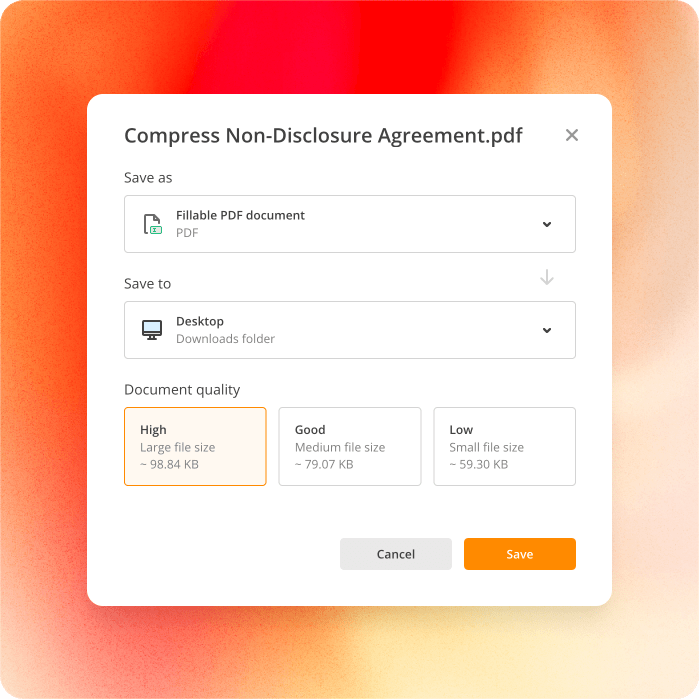
- Choose your desired quality level for the compression.
- Download the compressed file once the process is complete.
- Preview options to ensure the document meets your needs.
Choosing a Compression Quality Level
When you reduce Word file size, you can choose from high, medium, and low quality settings. Each level impacts the file size differently, so consider the visual quality of your document and your specific needs when making this choice.
What Changes After Compression?
After you reduce Word file size, some content may be affected. Image quality may change, but text and structure will be preserved. Form field integrity is maintained, although there are limits to how much compression can be applied without losing essential content.
Expected File Size Reduction
The potential outcomes of compression can vary based on content type. For instance, image-heavy documents may see more significant reductions compared to text-only files. Set realistic expectations, as no guaranteed percentages exist for size reduction.
Next Steps After Compression
Once you have reduced Word file size, consider your next steps. You can download the compressed file and share it via email. If further compression is needed, revisit the tool. Additionally, managing your files effectively will ensure you maintain organization.
Compress vs. Other Size-Reduction Methods
When comparing methods to reduce Word file size, compression differs from simply deleting pages or splitting documents. Compression offers unique benefits, such as retaining document quality while significantly reducing size. Knowing when to choose compression over other methods can enhance your workflow.
Industry-Specific Scenarios for Compression
Compression is essential in various scenarios. Freelancers often need quick sharing of documents, while small businesses must manage numerous files efficiently. Professionals optimizing storage can benefit from compression, especially when dealing with specific document types that require frequent sharing.
Security and Compliance in Compression
Understanding the security aspects of the compression process is vital. During compression, encryption is applied to protect your data. Compliance certifications ensure that your documents are handled securely, and user data protection is a priority for trusted tools like pdfFiller.
Next Steps and Broader Workflow Connection
After you reduce Word file size, consider how this connects to your overall document management. Integration with other tools can enhance workflow efficiency, emphasizing the importance of effective document management. Explore the features available to maximize your productivity.
How Does pdfFiller Compare?
Smallpdf offers a straightforward compression tool but lacks the extensive template library and document management features of pdfFiller. Users may find it less versatile for broader document needs.
ilovepdf provides basic compression capabilities but does not integrate as seamlessly with document workflows as pdfFiller. This may require users to switch between tools more frequently.
Adobe Acrobat is known for robust features, but often comes with a higher price tag and complexity that may not suit small businesses. Users might find it overwhelming for simple tasks like file compression.